The next catalogue I thought I would add is at nice Brebbia folder with inserts showing shapes and finishes that is quite beautiful. Give it a look. Enjoy!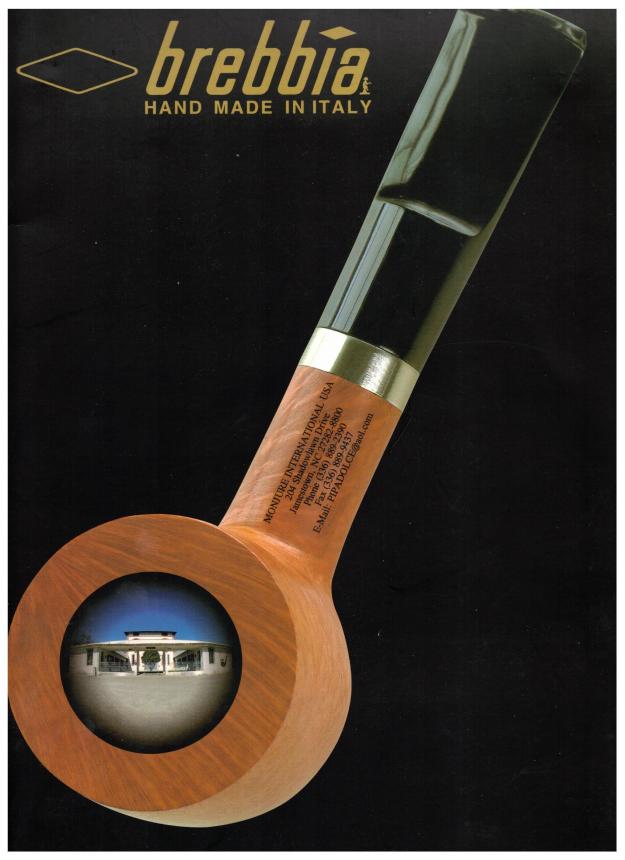
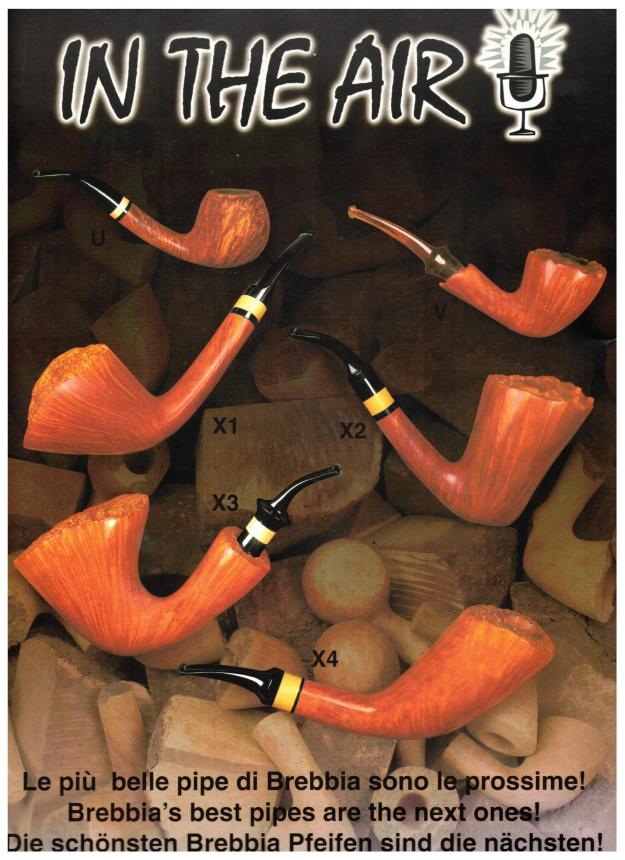
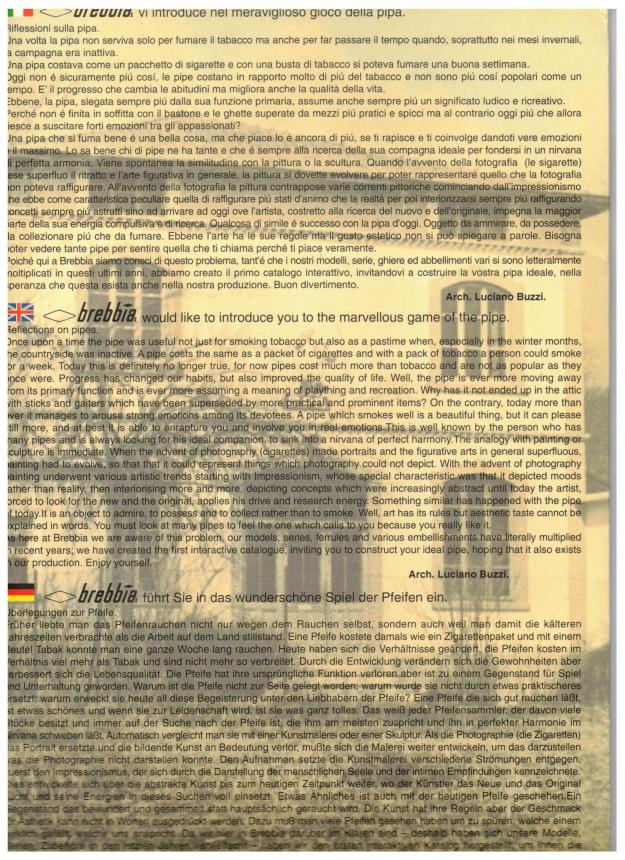
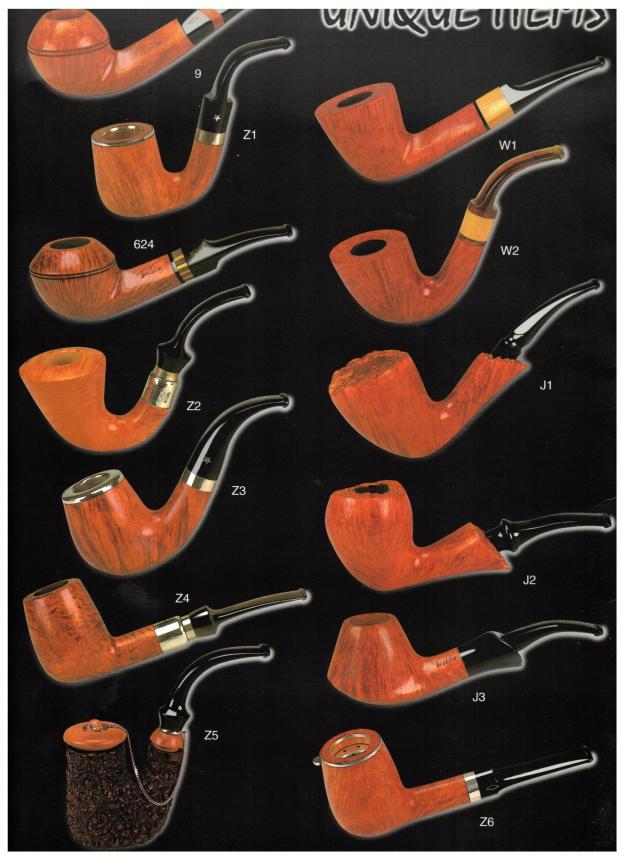

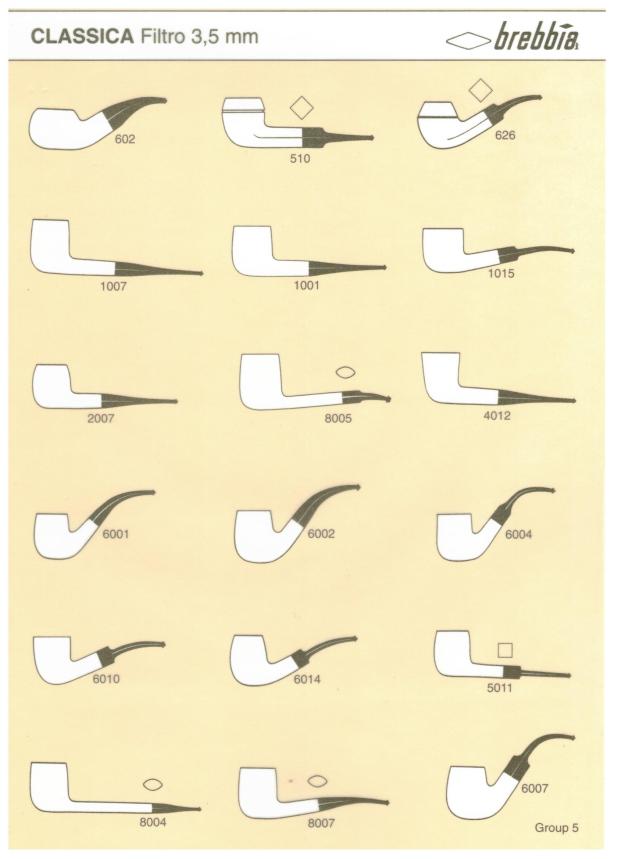
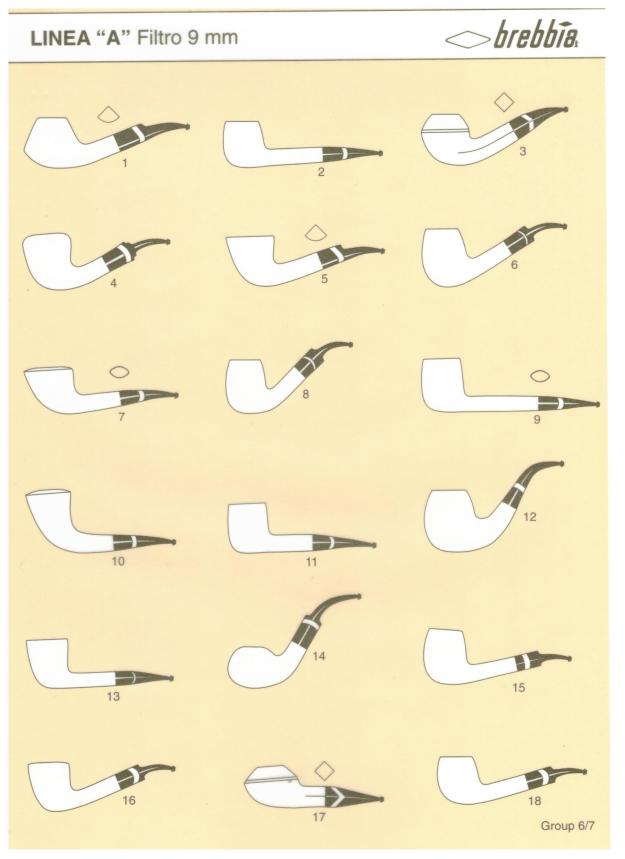
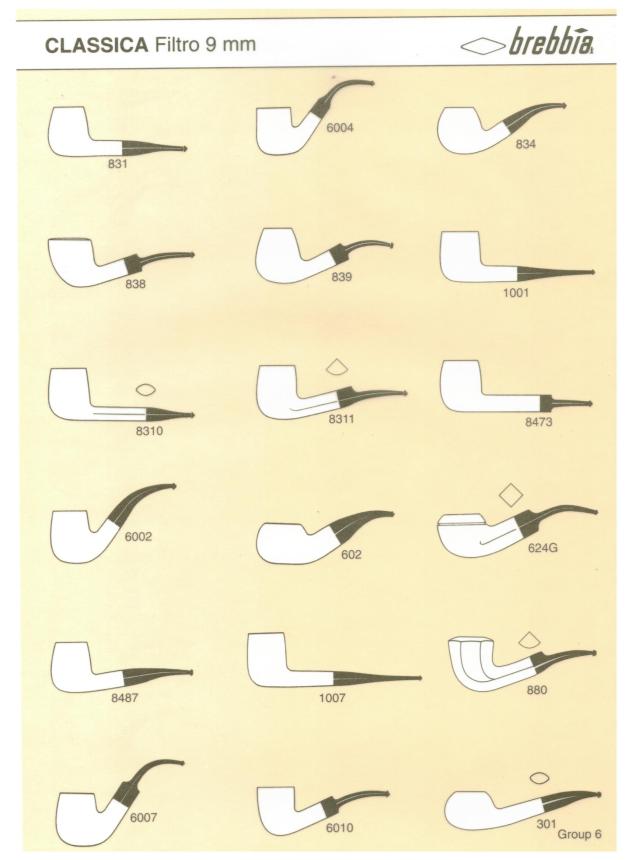
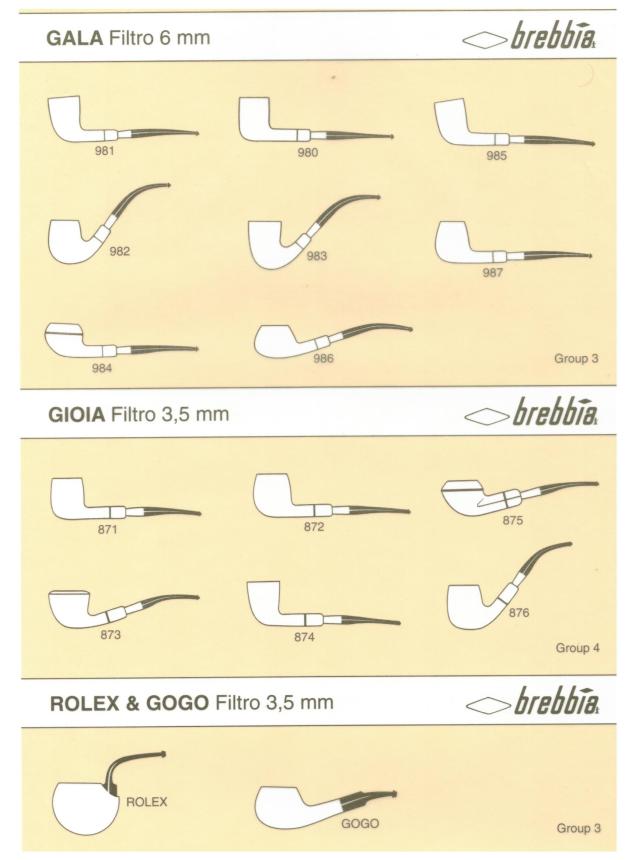
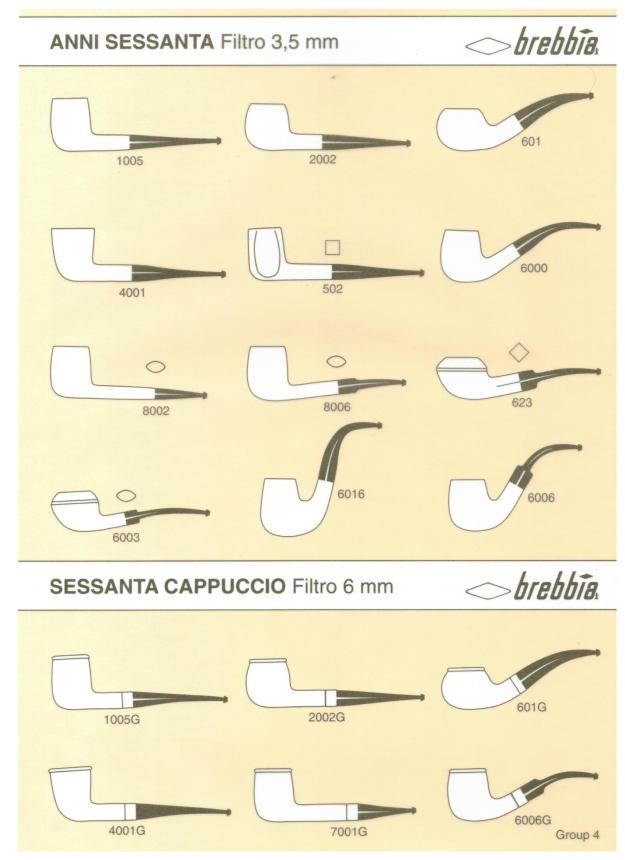
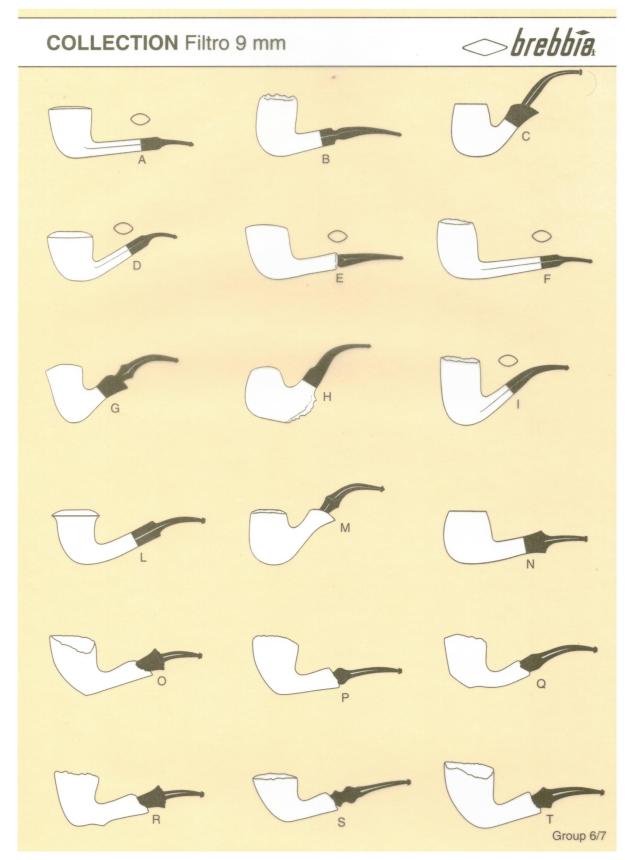
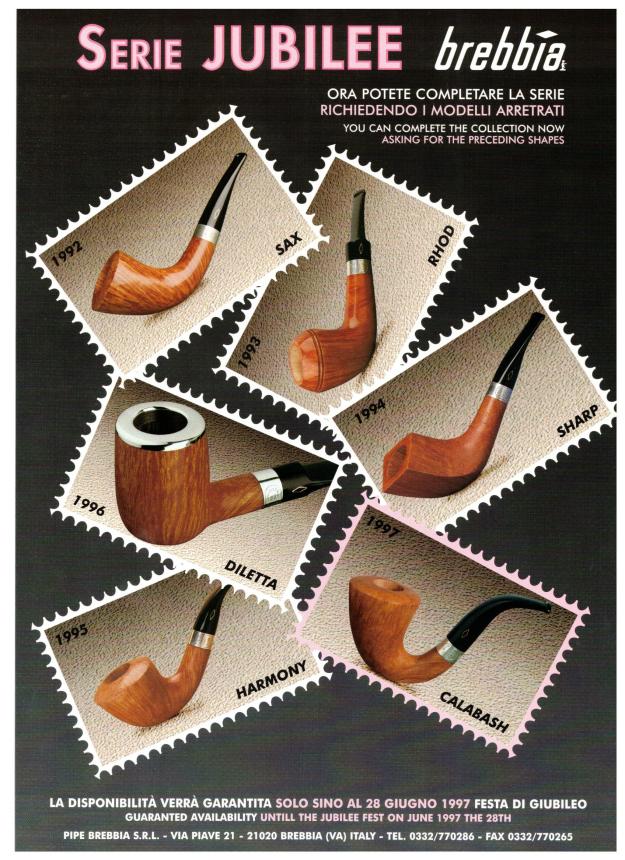
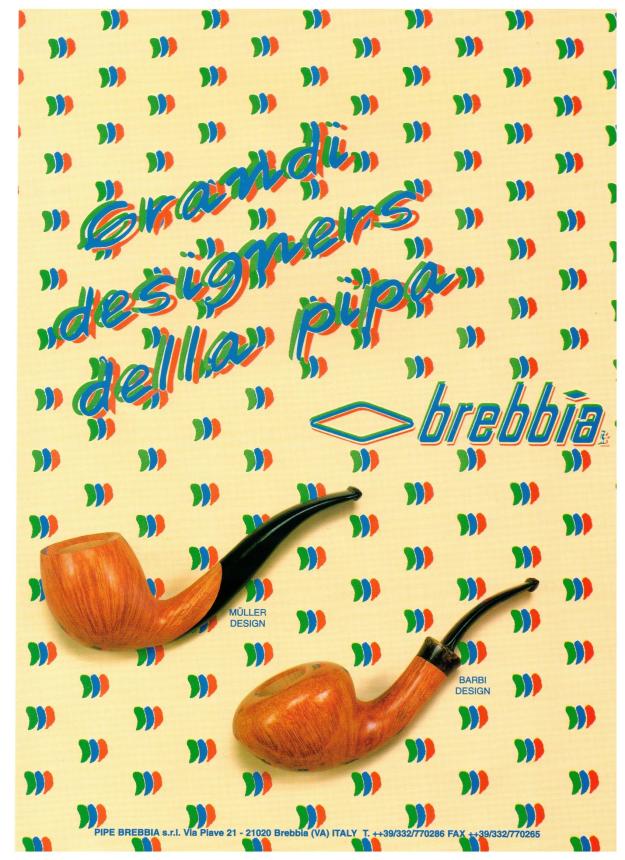
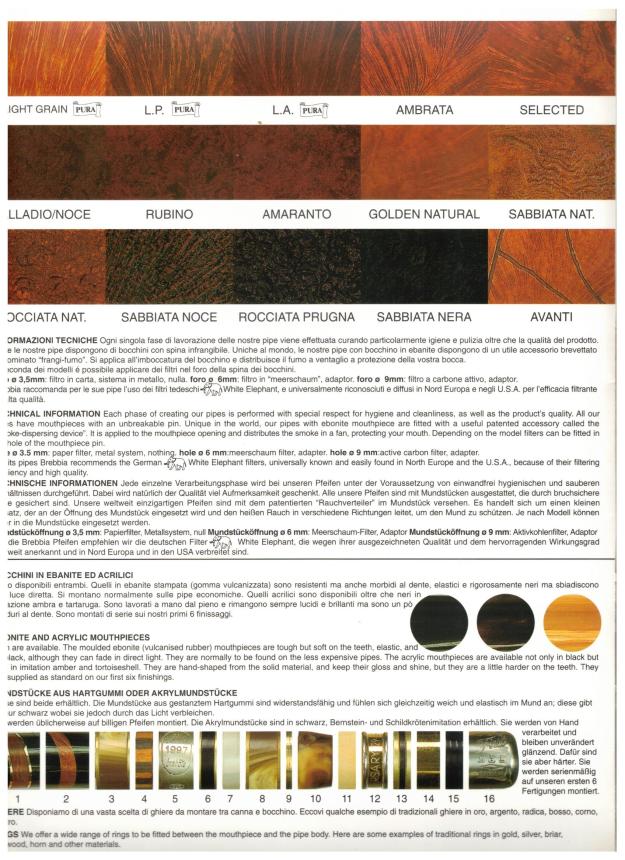

The next catalogue I thought I would add is at nice Brebbia folder with inserts showing shapes and finishes that is quite beautiful. Give it a look. Enjoy!
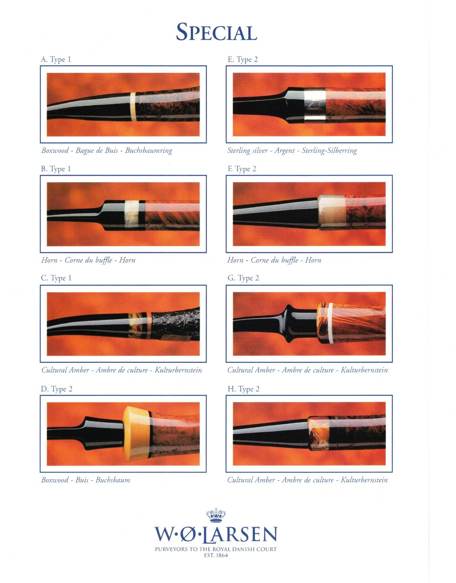
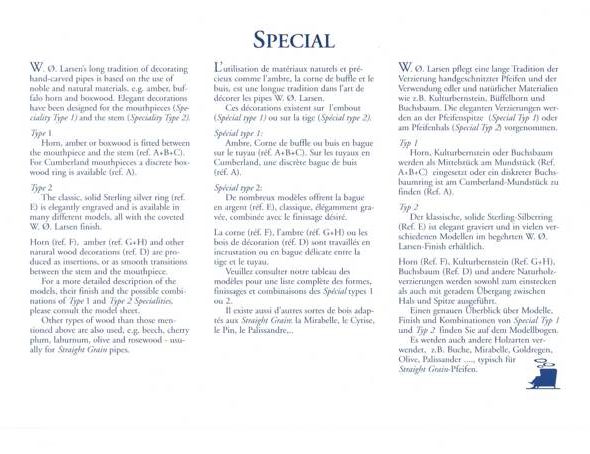
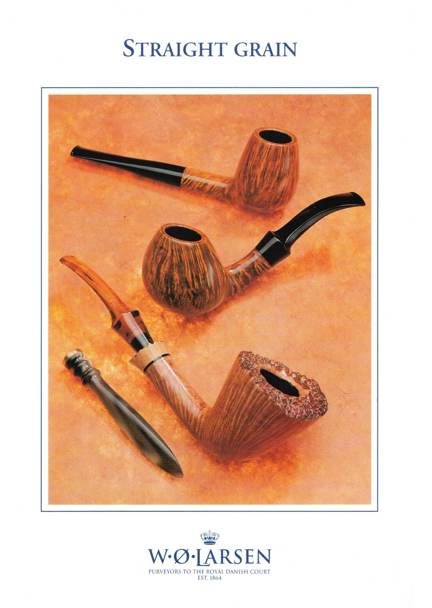
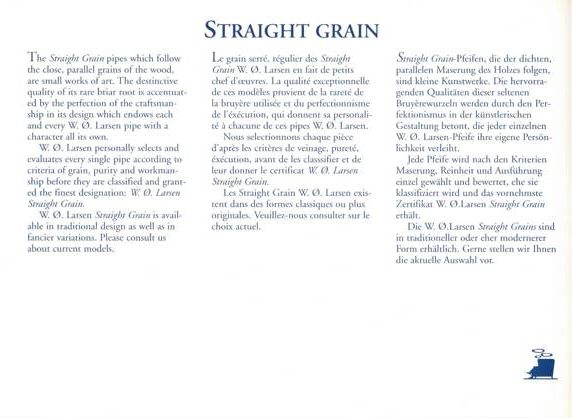
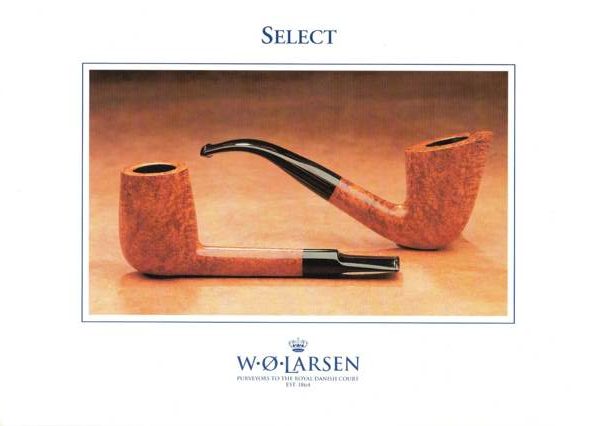
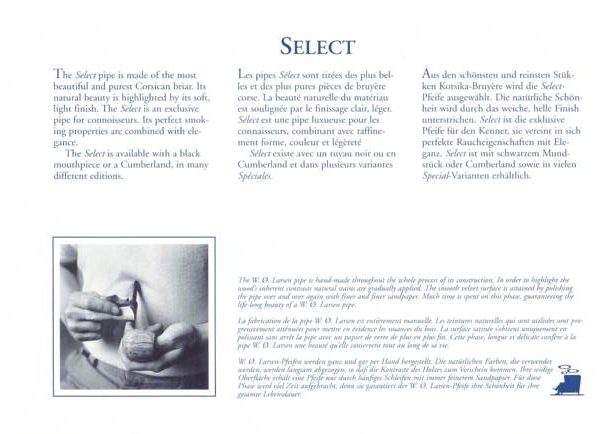
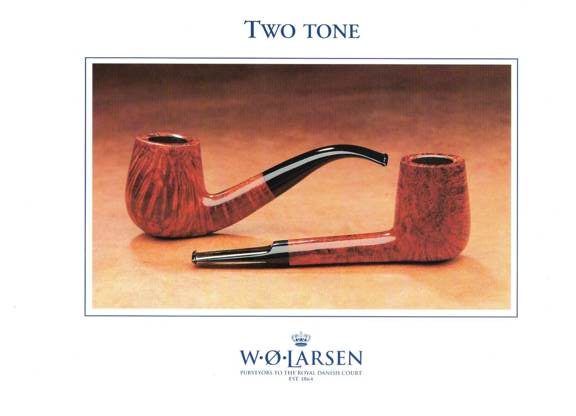
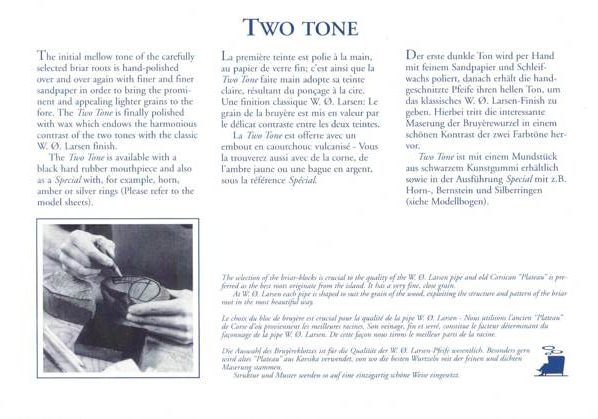
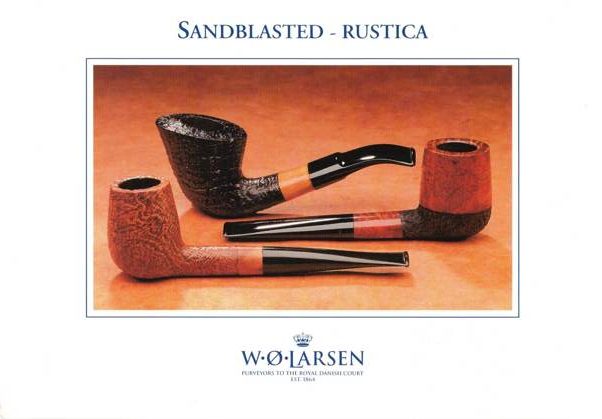
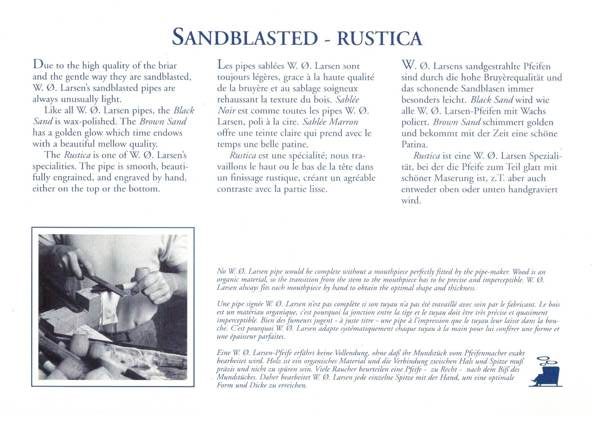
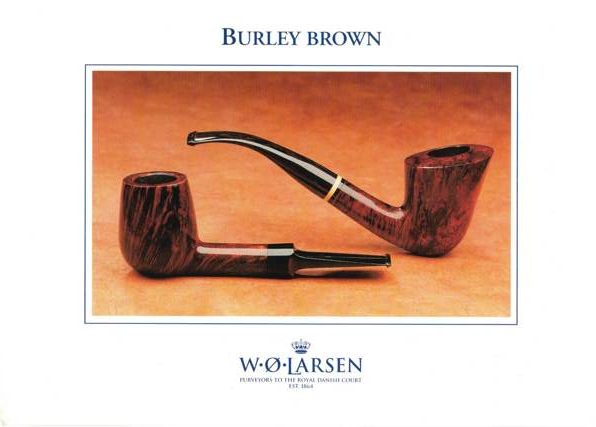
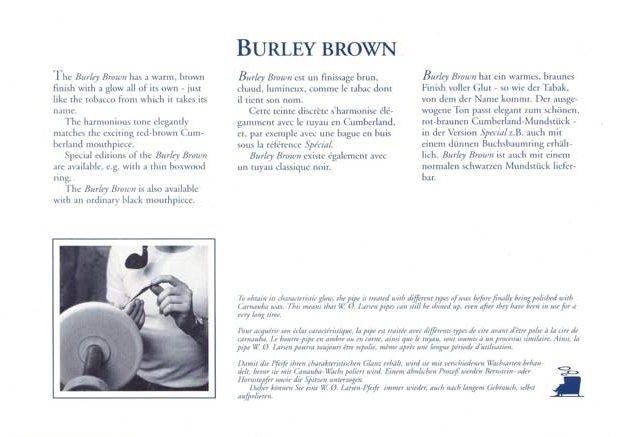
The next addition to my document collection is a great looking Packet that holds a collection of W.O. Photos with description of each Handmade pipe. Have a look as these are some real beauties.
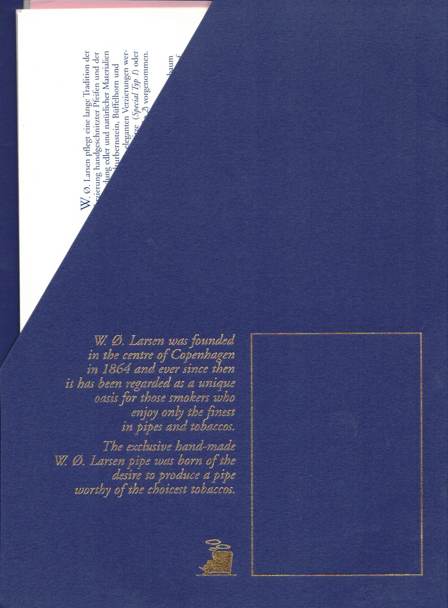
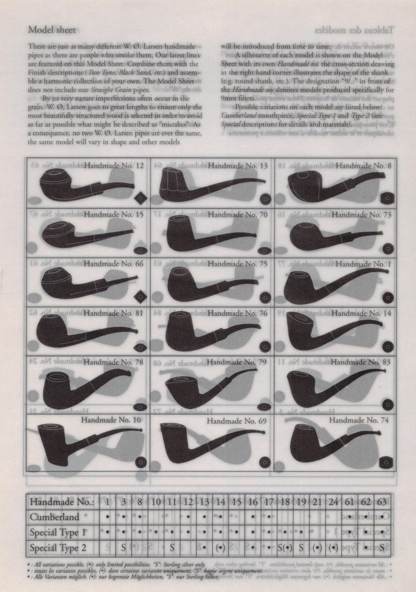
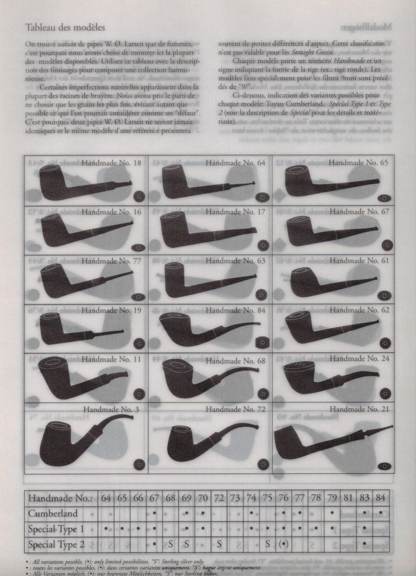
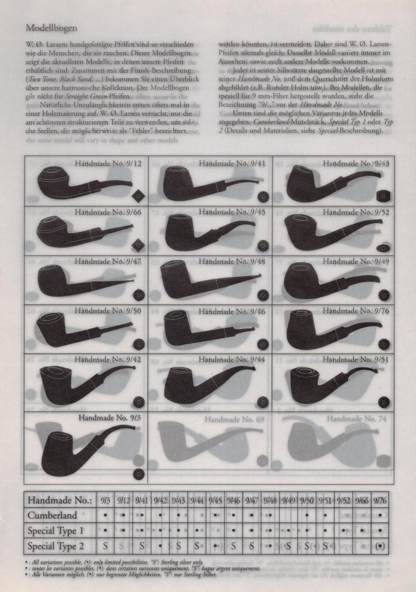
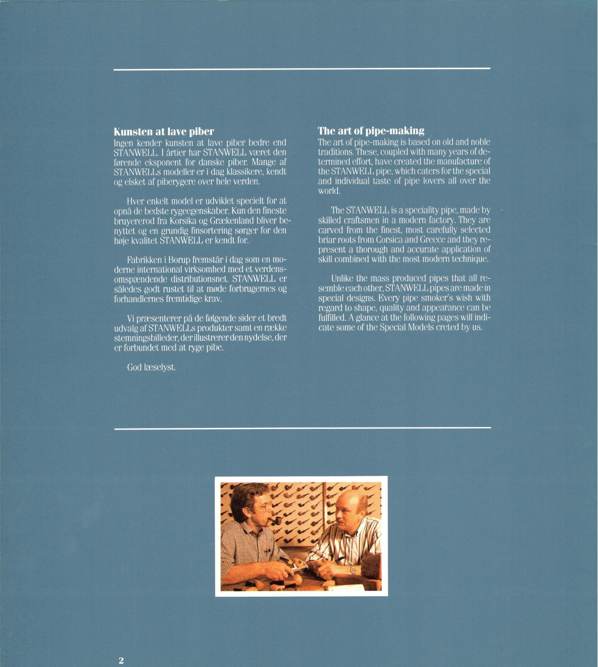
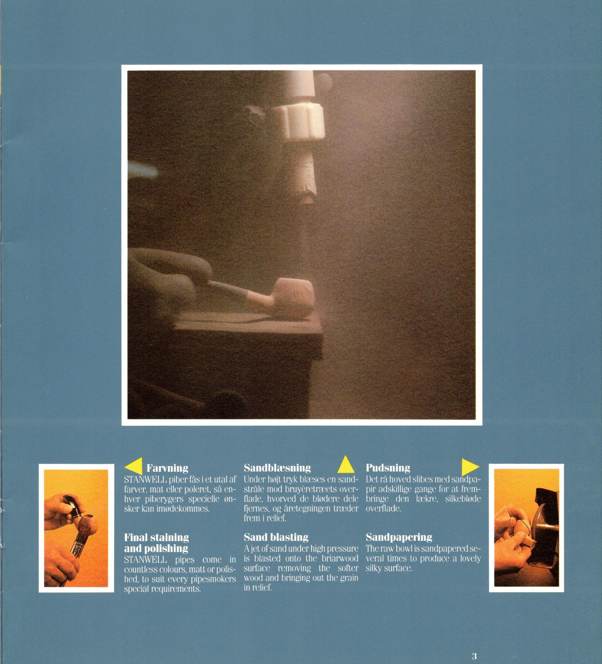
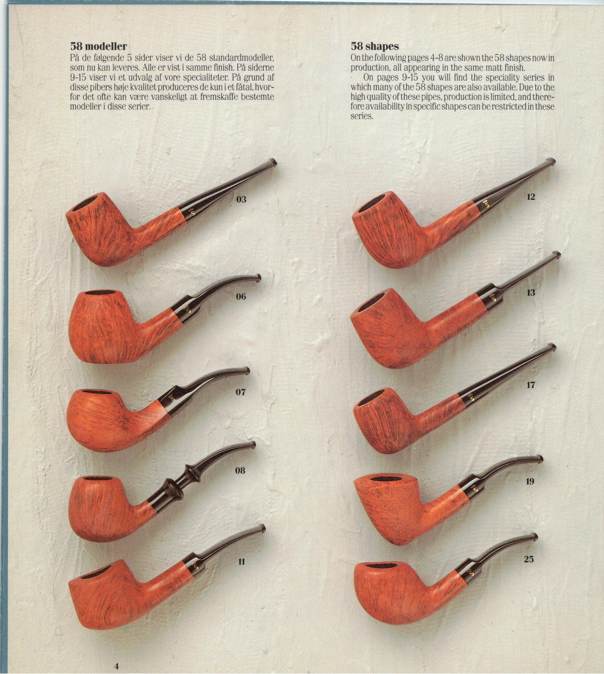
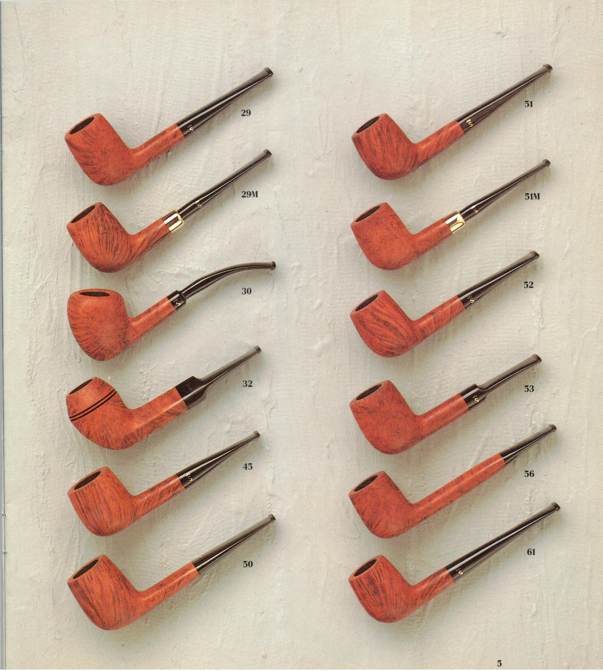
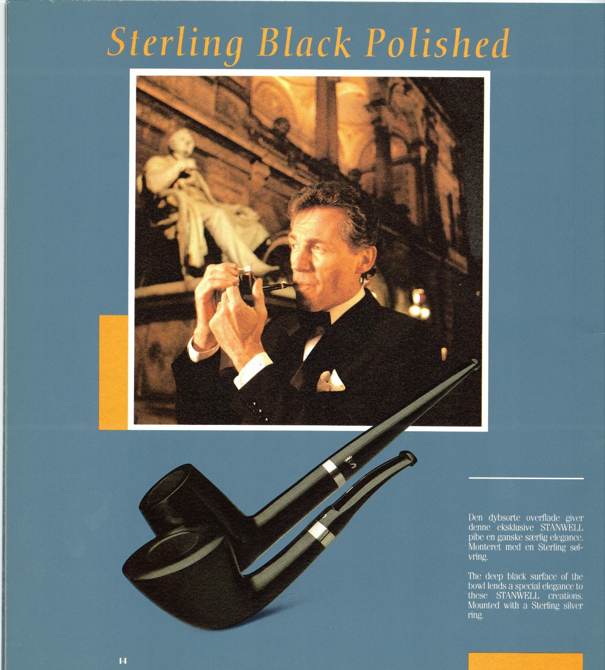
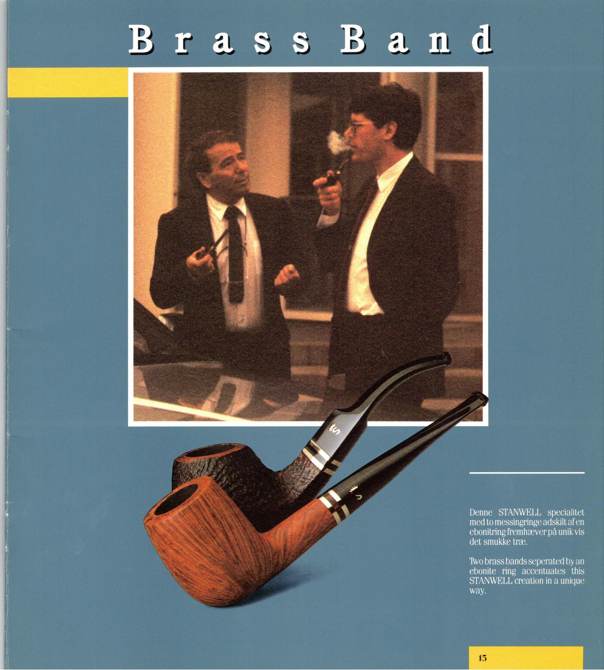
The next catalogue I scanned was this beautiful Stanwell Pipe Catalogue. It is beautifully laid out and designed with lots of photos and colour. But the shape guide through out the book is priceless to me. I thought I would share it with you all.
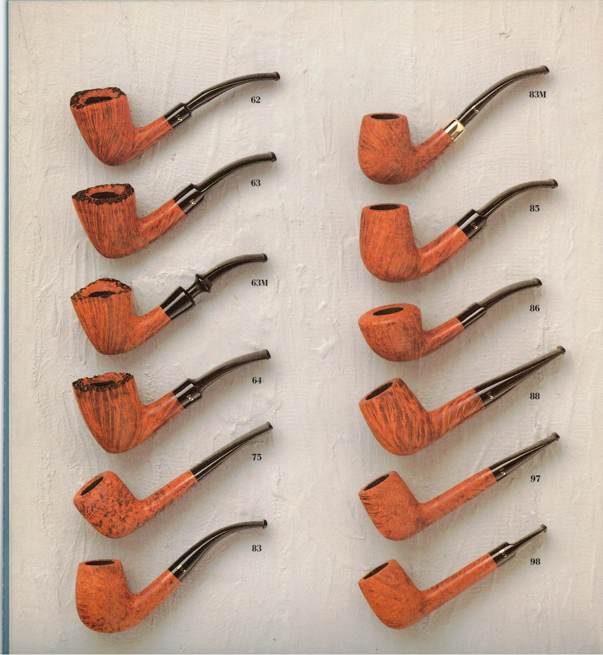
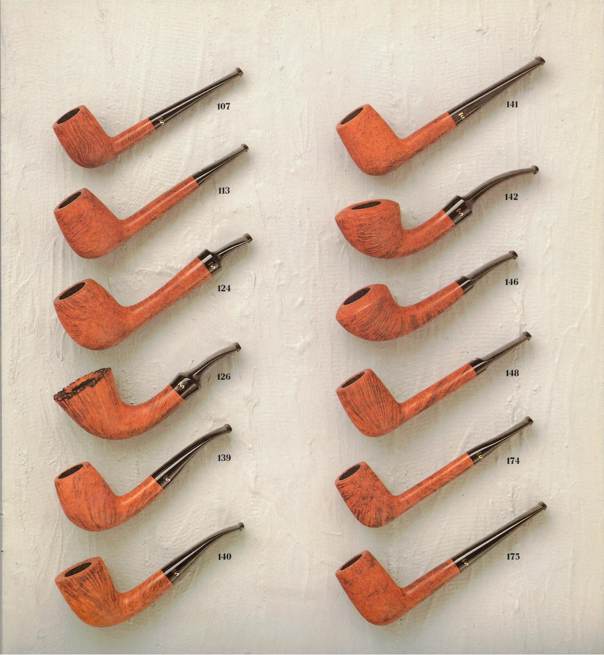
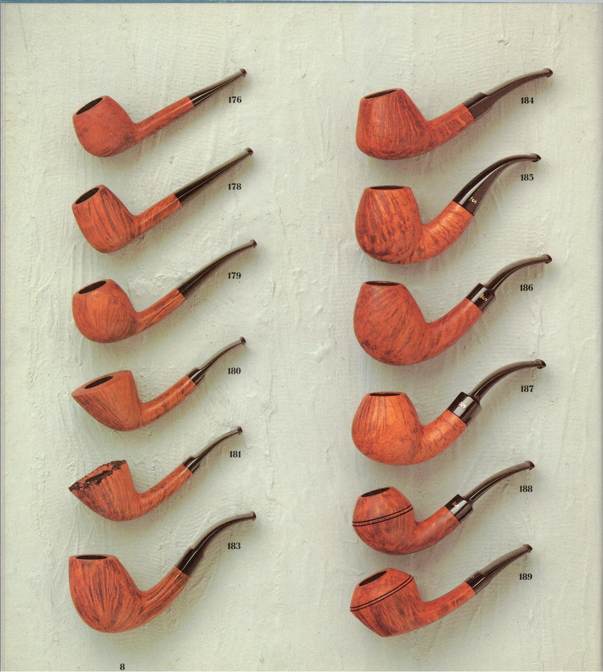
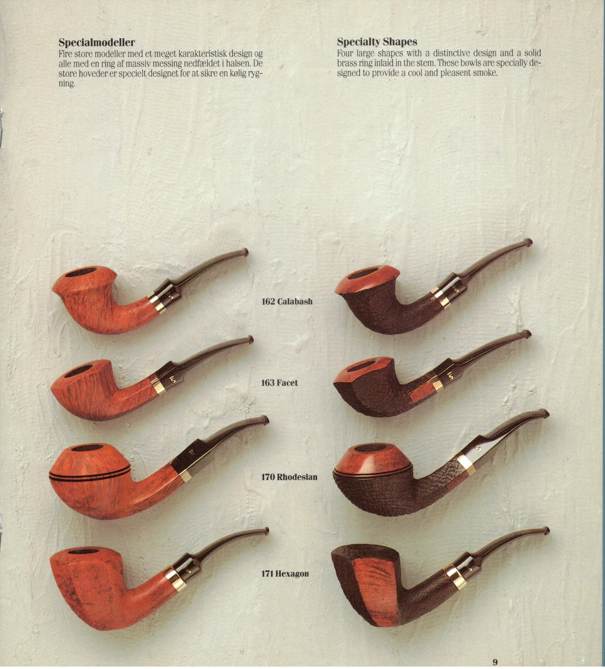
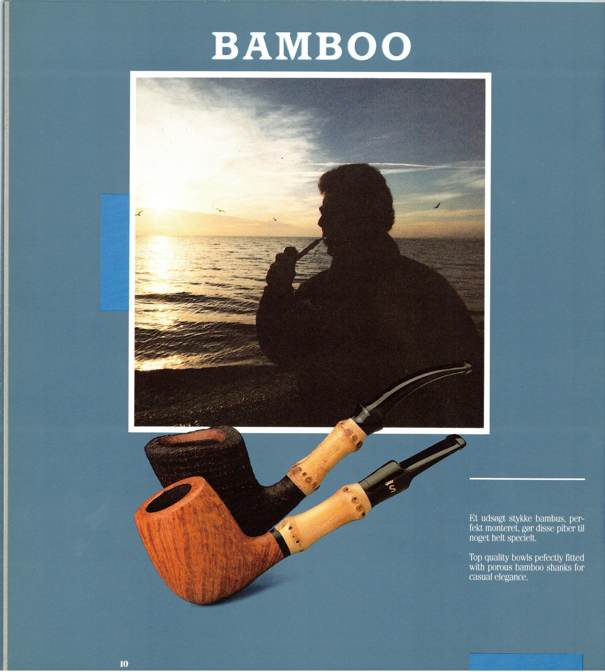
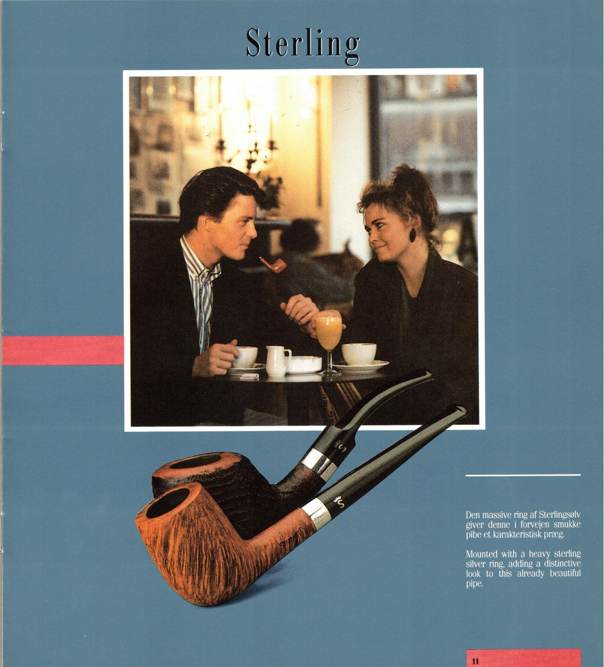
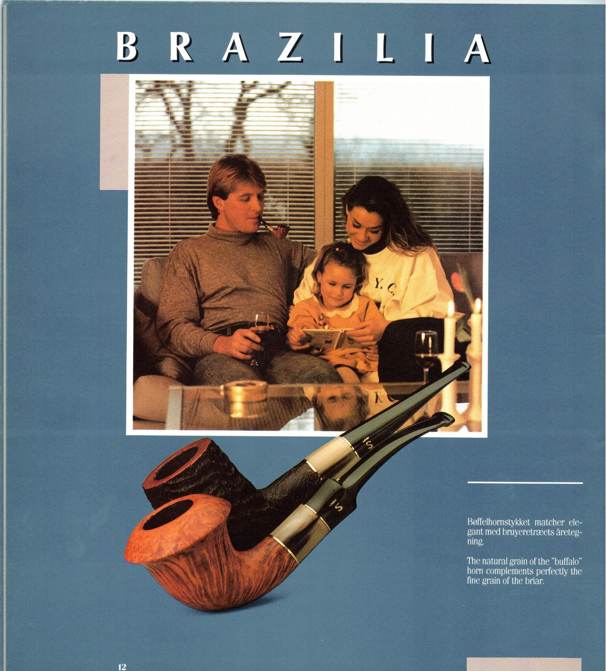
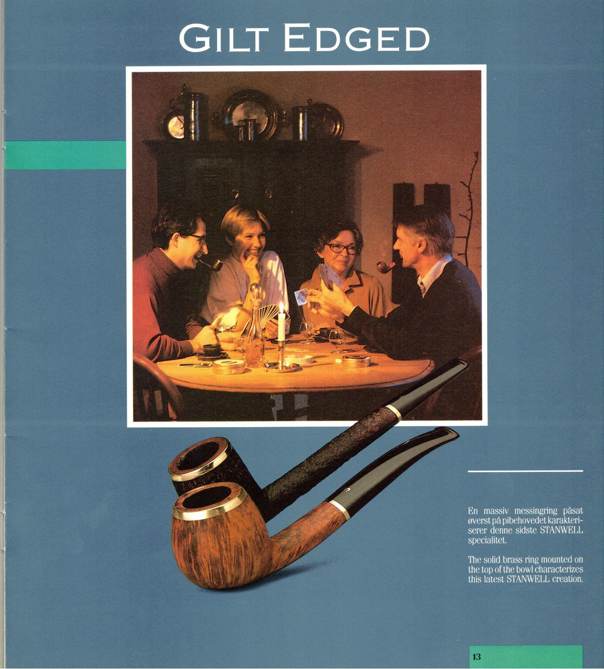
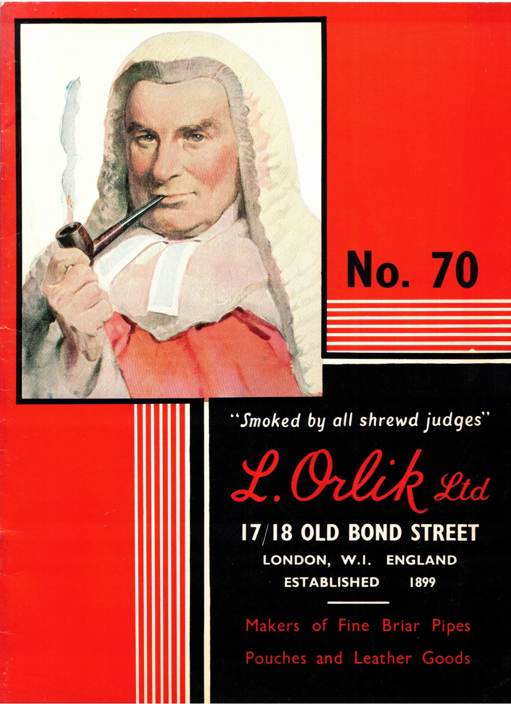
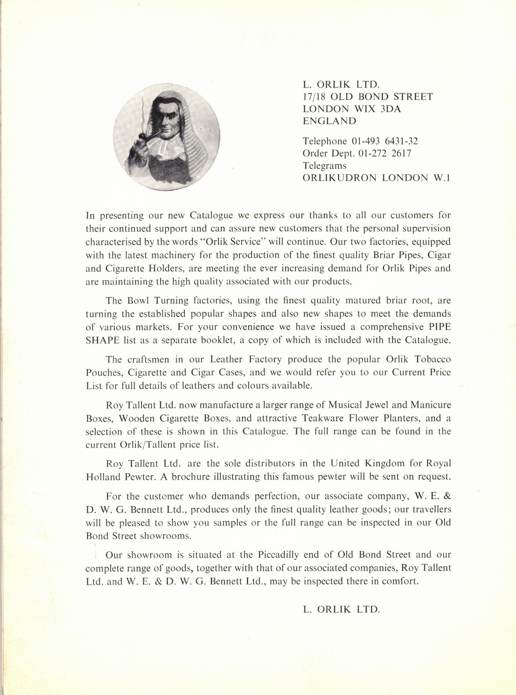
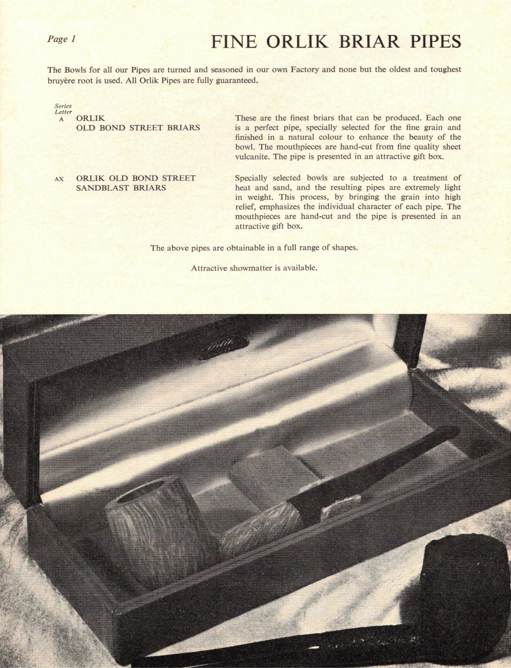
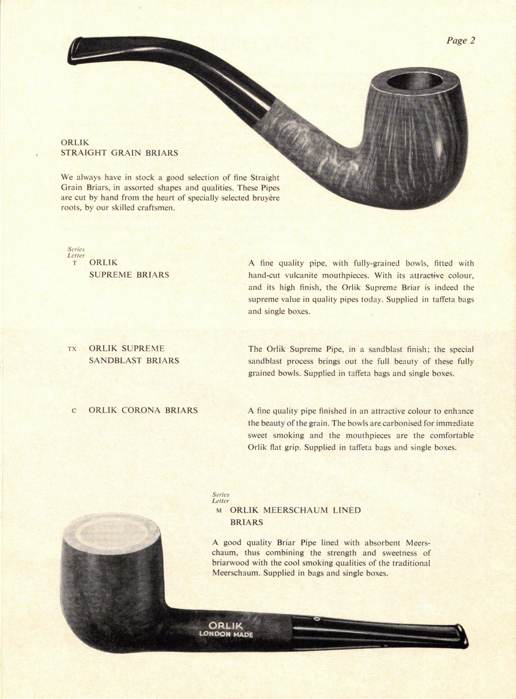
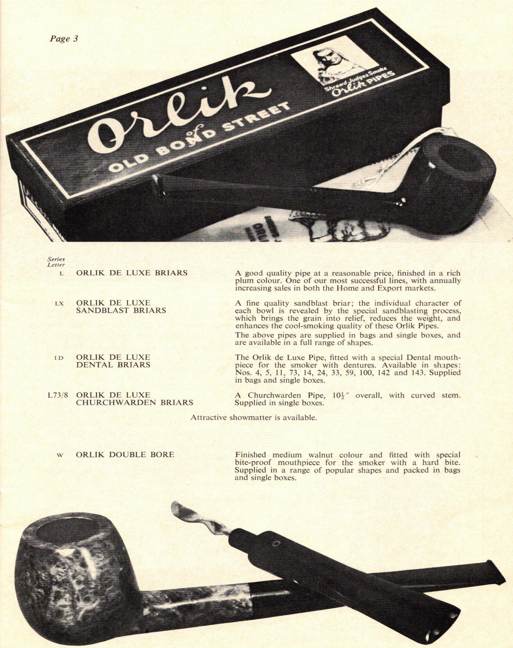
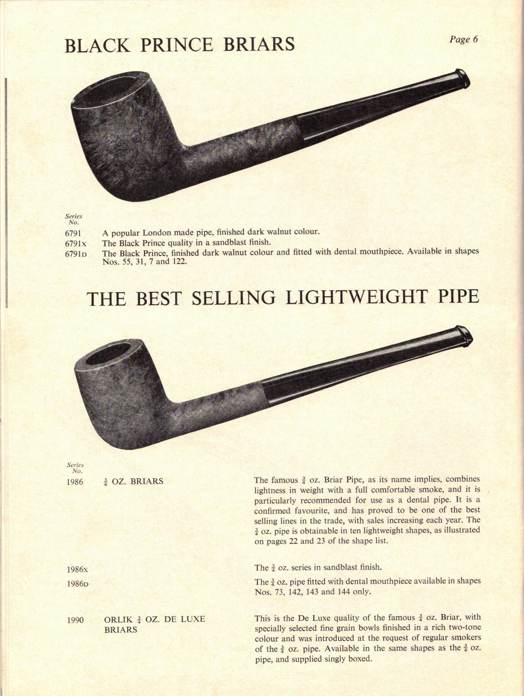
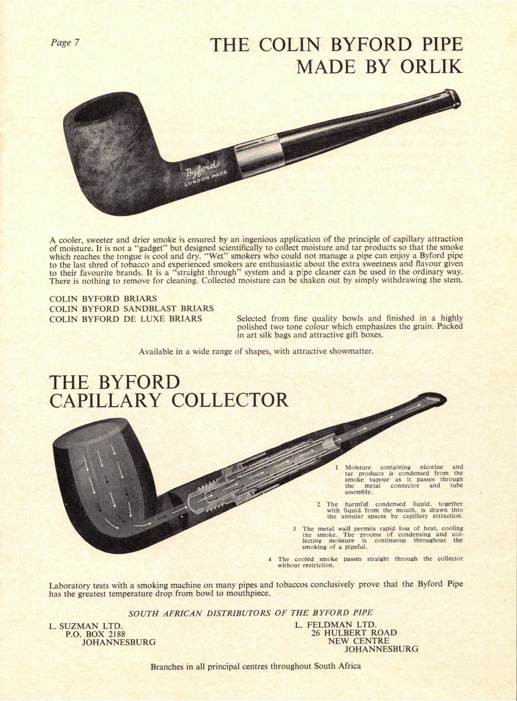
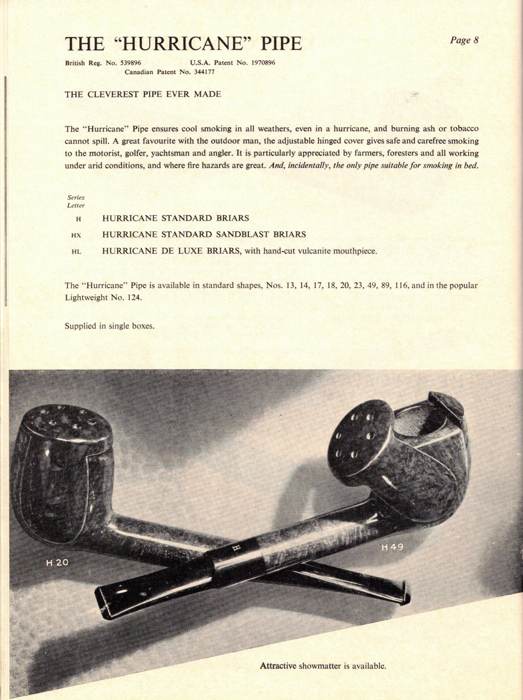
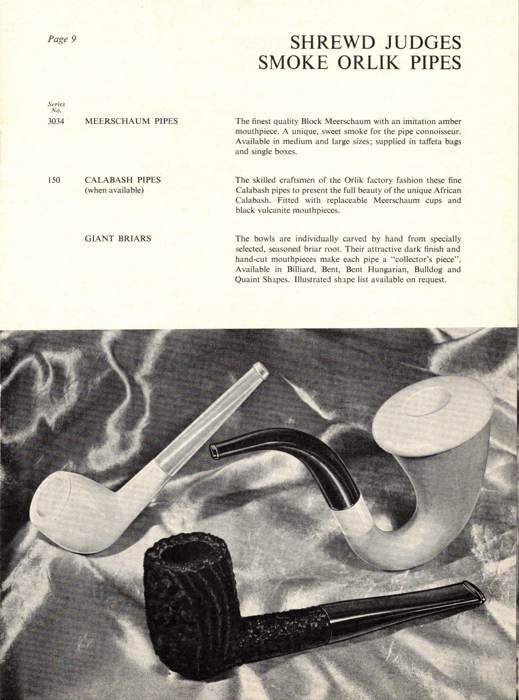
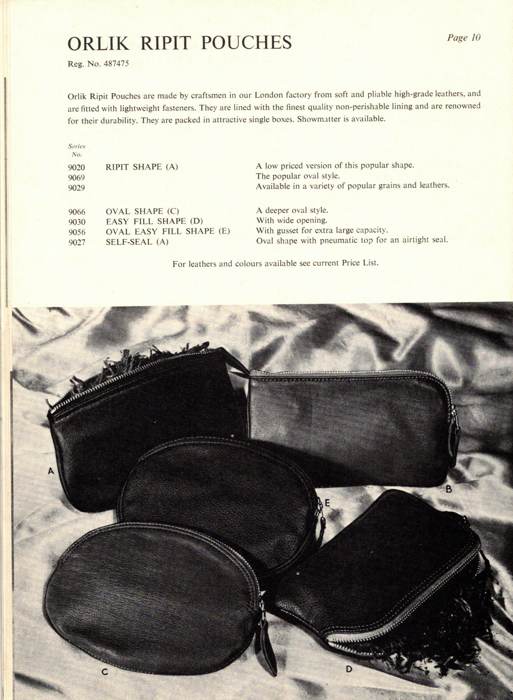
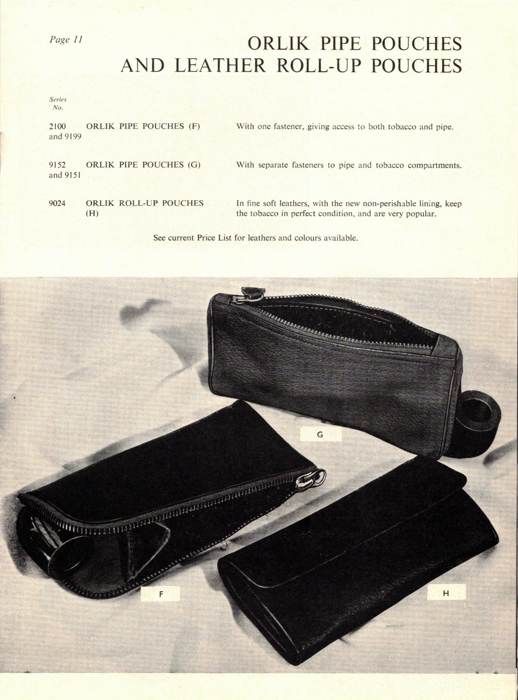
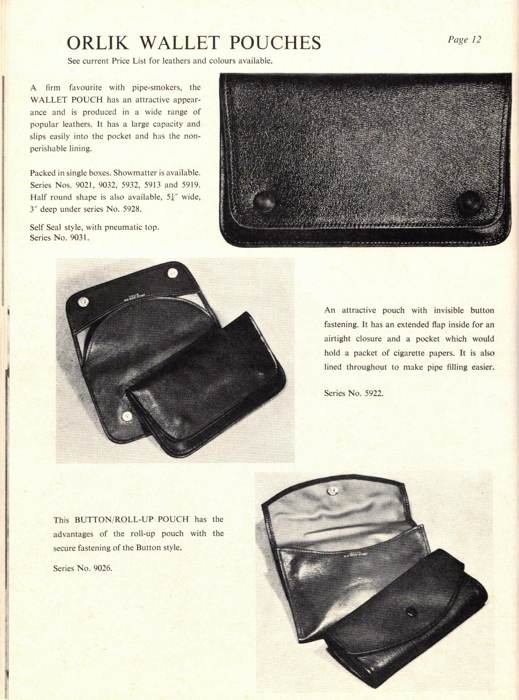
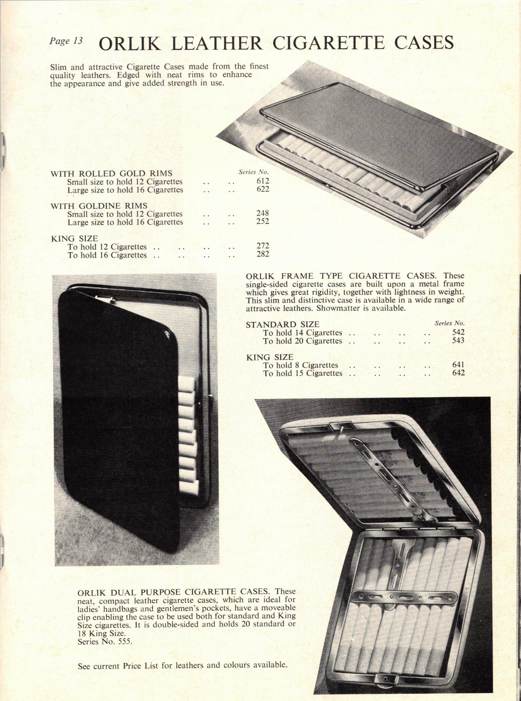
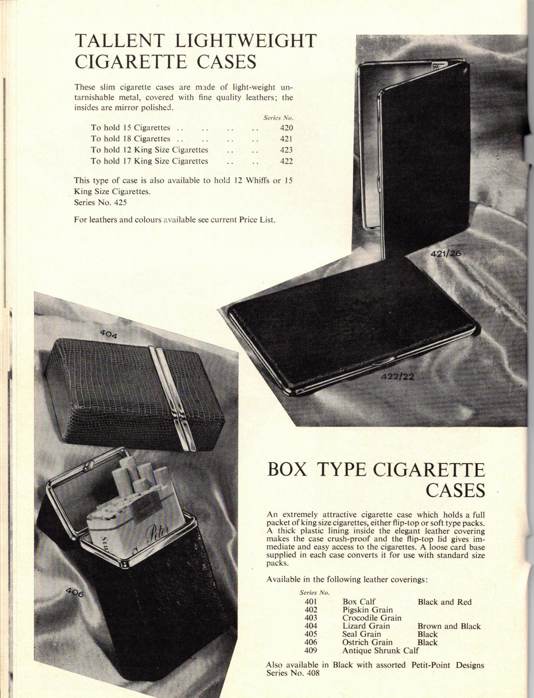
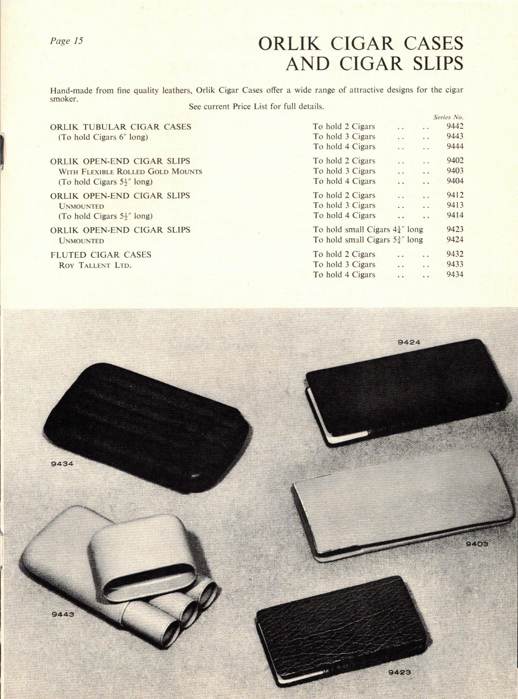
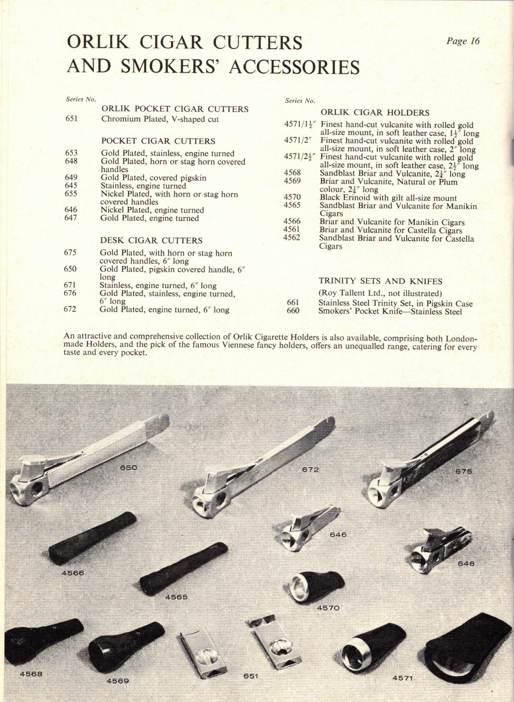
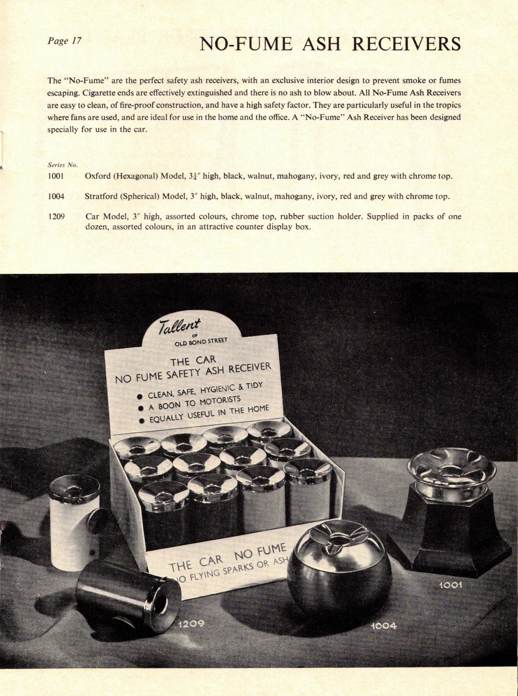
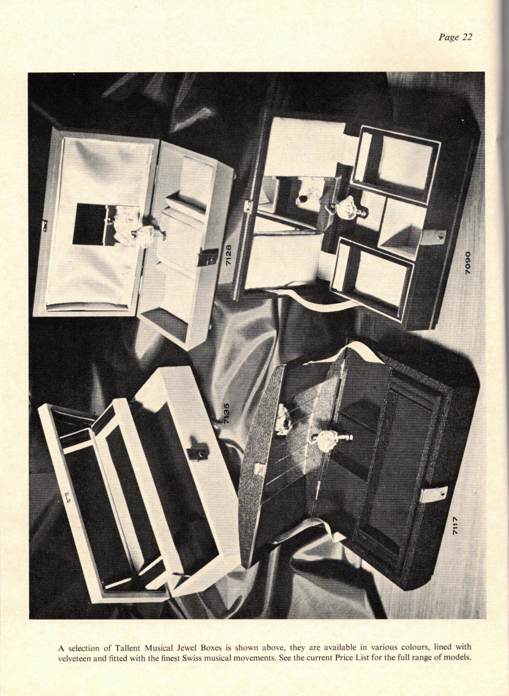
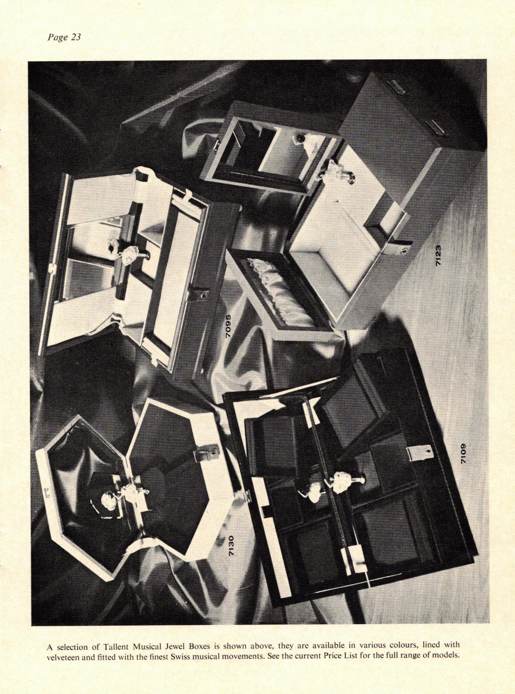
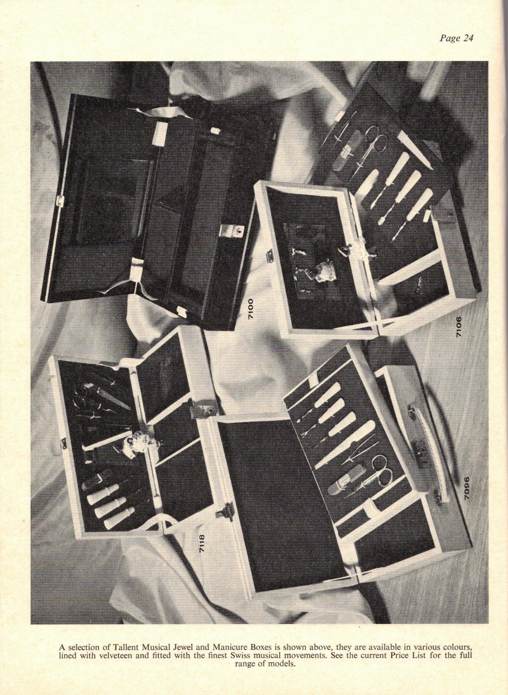
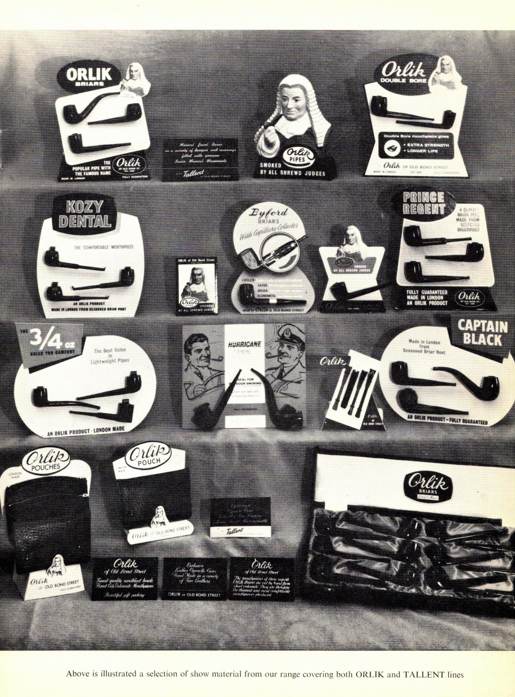
Have a look at this Orlik Ltd Pipe and accessories catalogue. There are some really unique items and some great information tying Orlik to other brands. Give it a read.
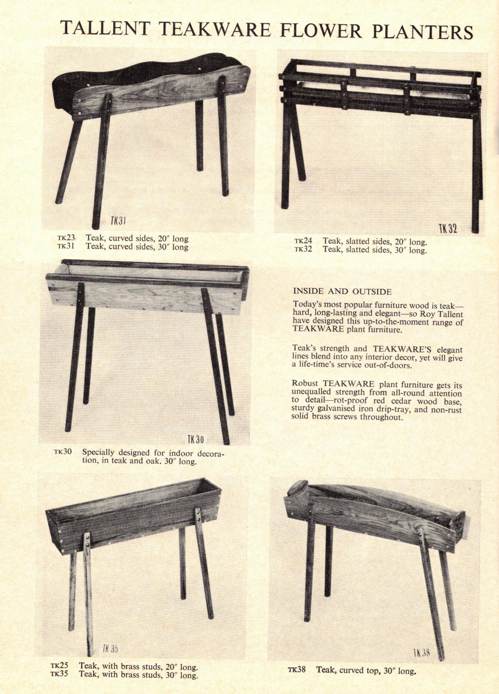
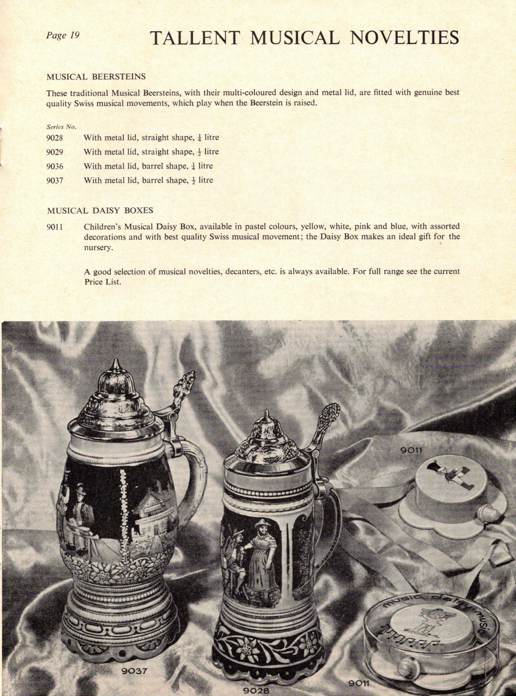
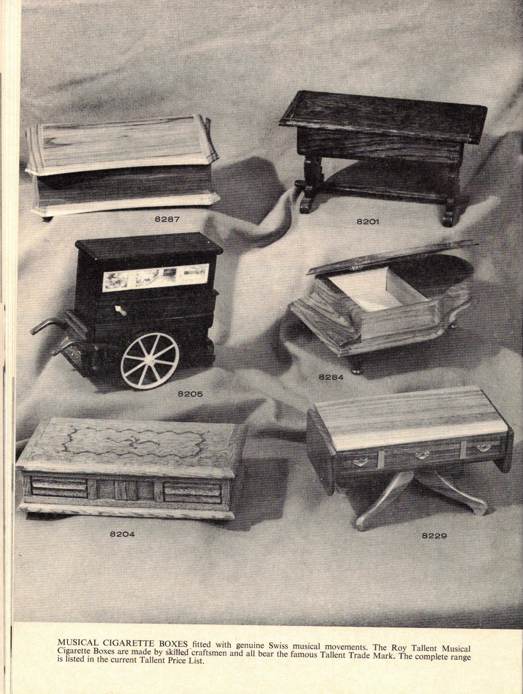
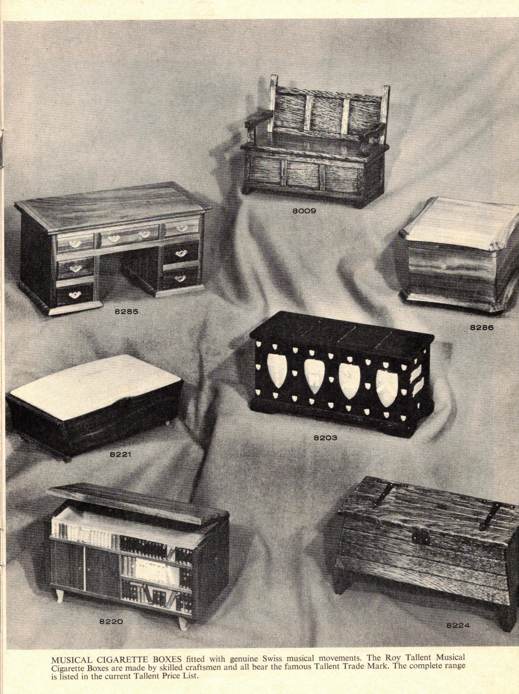
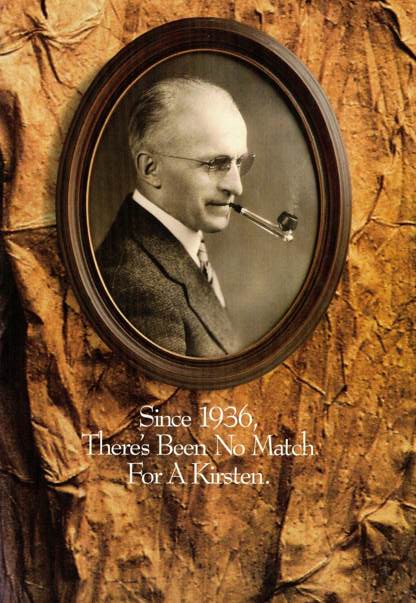
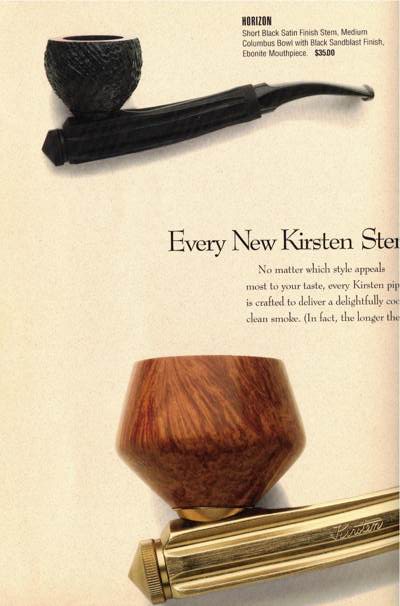
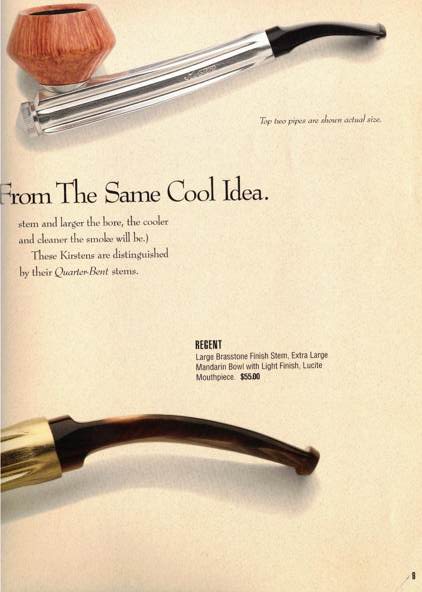
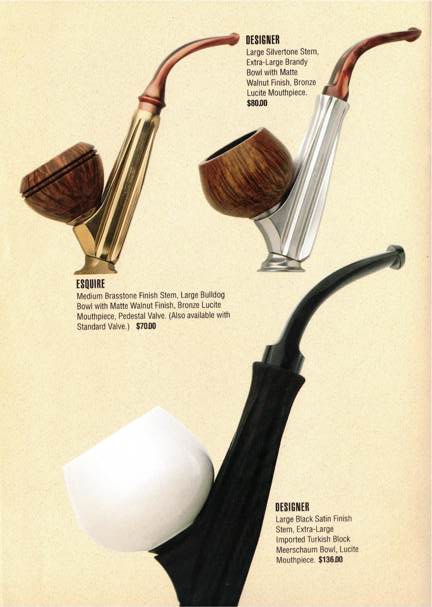
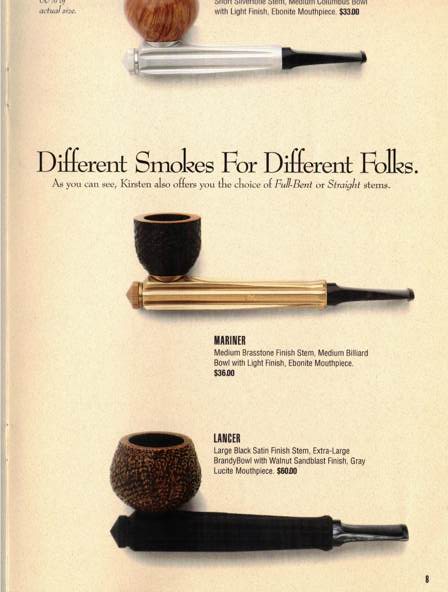
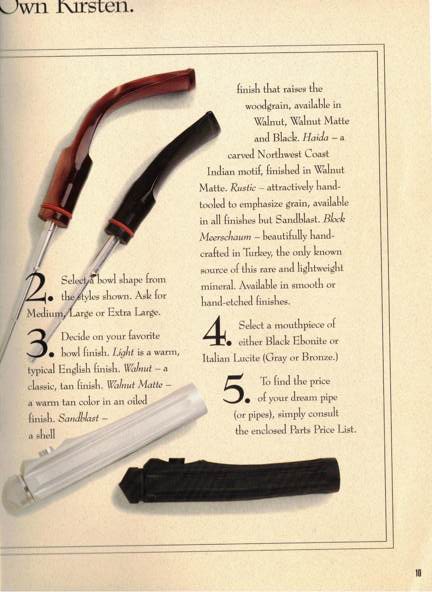
I was given a copy of this Kirsten Catalogue from 1993-1994 and thought it would be a great addition to the online collection that is available on rebornpipes. Give it a read.



Blog by Bob Hartman
I have restored quite a few pipes by Thayne Robertson (https://rebornpipes.com/tag/house-of-robertson-pipes/), Jeff and I were drawn to them as we grew up in Idaho and spent time in Boise for school and family fun. I have been looking for information on the carver, Thayne Robertson since I started restoring his pipes and was surprised to see this article show up on a FaceBook Group on Boise History that I follow. It was written in December 29, 2019 by Bob Hartman who is an Admin for the group. Here is a link to the article and the comments on it. (https://www.facebook.com/groups/114625865783301/permalink/549658705613346/?comment_id=549887142257169)
I wrote Bob a message and he responded. I have included that interchange below as it is quite interesting.
Hi Bob. I have a pipe refurbishing blog called rebornpipes. I have restored quite a few of Thayne Robertson’s pipes. I came across the article on the Boise History Page and would love to post it on the rebornpipes blog. Is that allowable?
Bob replied
Feel Free.
I wrote him and asked if he wrote it as it was very good. Here is what he sent me.
Yes, I did. I grew up always seeing Thayne’s pipe shop downtown Boise, and like many I remember the wonderful smell. A couple of years ago I aquired a photo of him and one of his large carvings, and it intrigued me enough too take a closer look at Mr. Robertson. His son Jon who also worked in the shop is still living in Boise, but I have not been able to contact him.
Without further ado I invite you to read about Thayne Robertson, a Boise, Idaho pipe maker. Thanks Bob for permission to repost this on rebornpipes. Enjoy.
The pipes Thayne Roberson started carving as a hobby in college became so popular that in 1940-41 he opened the Ye Olde Pipe Shop in the Egyptian Theater building. A year later he moved his shop to 203 N. 9th. By 1948 he needed more room and moved his shop next door to 205 N. 9th, and renamed his business House Of Robertson. In 1951 he moved the shop once again. This time to 105 S. 9th, on the other side of Main Street from his old shop. He stayed there until 1956.
In April of 1956 Thayne announced that he was closing shop and leaving Boise, but it appears that there was a change in plans. In November of the same year he reopened the business out of his home shop on Clark Street, then in 1964 Thayne announced that he was once again opening a new pipe store downtown, at 216 N. 9th. This would be his final location. The store most of us probably remember.
Robertson pipes were, in fact, world renown. Pipes being produced at the time were holdovers from the previous century. Thayne’s new free form designs turned the pipe world on its ear. Few crafts have been infuenced more by one artist than pipe making was by Thayne. Other makers scrambled to get his latest catalog to copy his work. Thayne mastered mail order sales early on, and had by 1948 mailed pipes to sixteen foreign countries and all 48 states. When Britian’s Ambassador Lord Invechapel came through Boise he stopped and picked up a couple of pipes from Thayne. One Mr. E. Housinkveld from the Netherland’s ordered a Calabash, a style unavailable in Holland. Thayne also carried a patent on a model he called the “Stoker”, which operated on the same principle as an old coal stoker, the bowl being fed through an auger system.  . . . but wait a sec.
Actually Thayne’s pipes are not what I meant to talk about. We need to back up to 1934. Back when Thayne made his living as a journeyman pressman for The Capital News, and carved as a hobby. It was in 1934 that Thayne heard that a wooden Indian was needed for a Hollywood movie, and decided to give it a shot. After dragging home a tree that he had cut down in the Boise mountains, he spent around 100 hours chopping out a figure of Sacajawea, complete with papoose. Hollywood wasn’t interested, but he found a private collector who was.
Encouraged by the sale, Thayne continued carving wooden Indians, but was discouraged in the amount people were willing to pay for them. As he figured that he was pulling in about 25 cents an hour carving, he kept his day job.
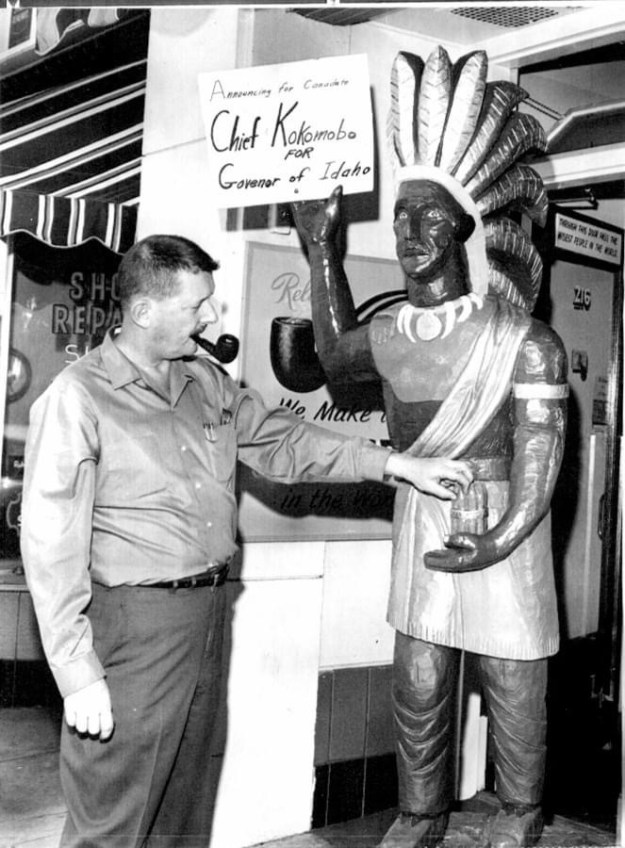
Around 1944 several night clubs had opened in the area and several of them wanted a wooden Indian as advertising. They commissioned Thayne to produce the life size figures, which he sold for $400 each. It wasn’t long before Thayne could quit his day job, and moved his Indian carving into his shop on 9th street.
By 1954 Thayne was producing as many as 25 Indians in a good year, and a career total of about 70. He carved them for many different types of businesses, except for one. He never sold a wooden Indian to a cigar store. The only tobacco store to receive a wooden Indian was when he carved one for his own. One time a Midwestern tourist trap commissioned him to carve life size figures of Jesse James, Wild Bill Hickok, Billy the Kid, Sitting Bull, Belle Star, Johnny Ringo, Bill Dalton, and Chief Big Foot, which was over 7 feet tall. Now that is a tall order! (Sorry about that)
He appeared on two national television shows, “What’s My Line” in 1953, and “To Tell the Truth” in 1966, as a carver of wooden Indians.
Thayne’s obituary states that he “invented literally thousands of original pipe designs, and is regarded by knowledgeable pipe experts as America’s pre-eminent 20th century pipe craftsman and designer.” As a carver of pipes and Indians “He may very well have been the most prominent folk artist in the history of Idaho, and it is hoped that someday he may be accorded the recognition that he deserved.”
Thayne Robertson died January 24, 1987 at 72 years old.
Smoke King in the UK put this Beginner’s Guide to Pipe Smoking together and it has some helpful material for the pipe smoker gathered in one place. Make sure to visit their website for pipes and tobaccos (https://www.smoke-king.co.uk/pipes/beginner-and-value-smoking-pipes).
Give the guide a read.
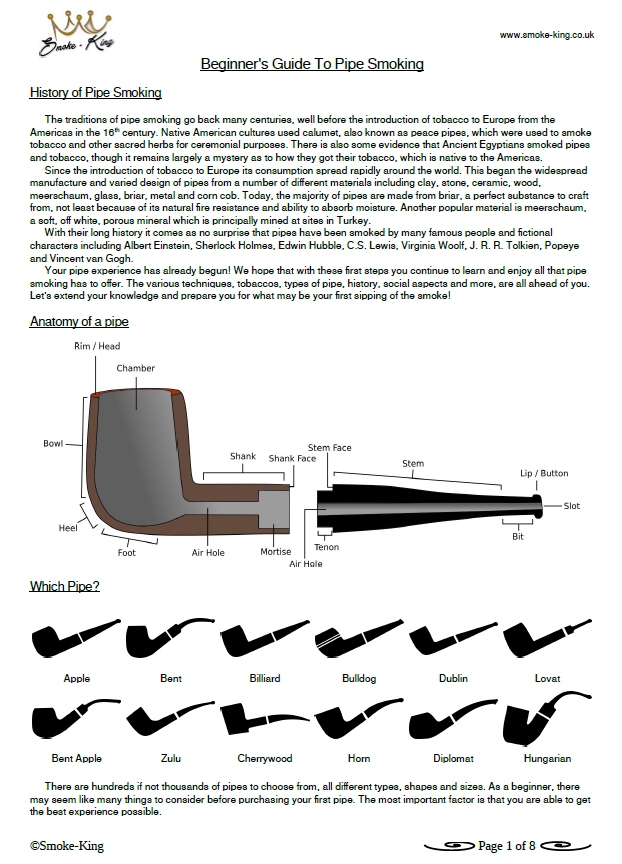
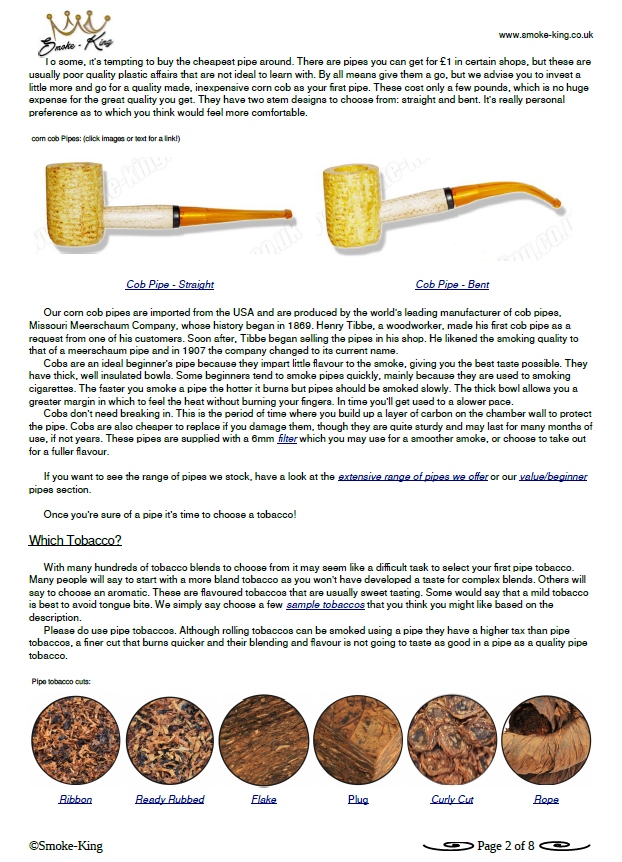
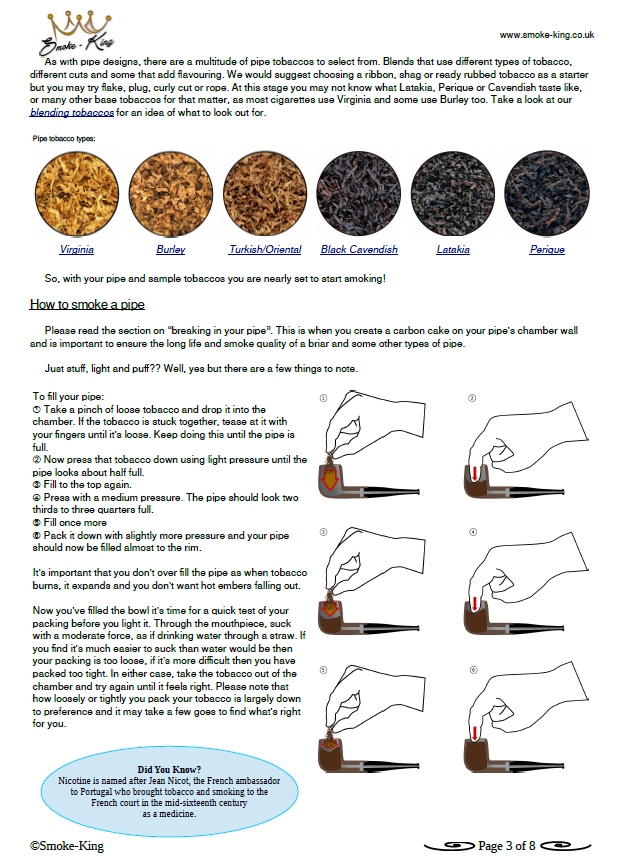
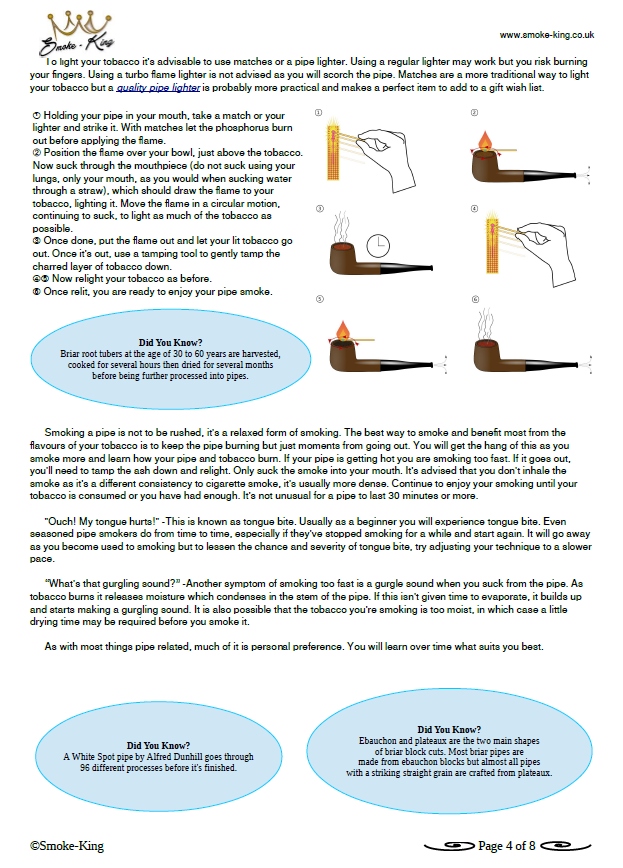
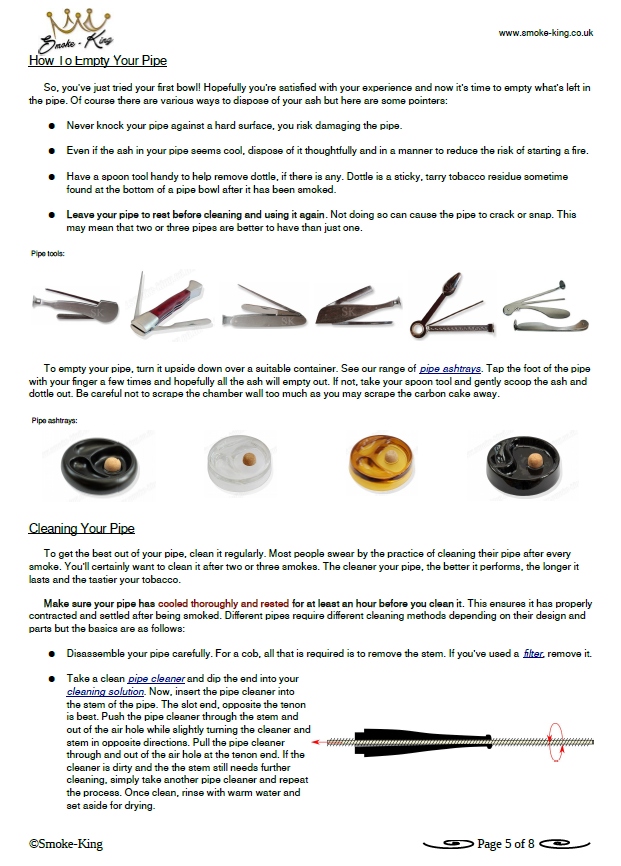
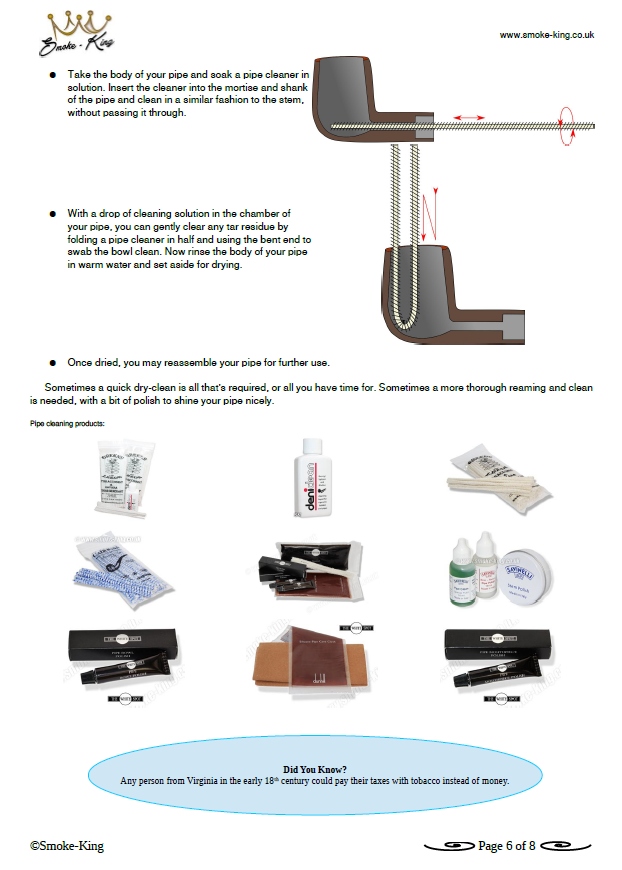
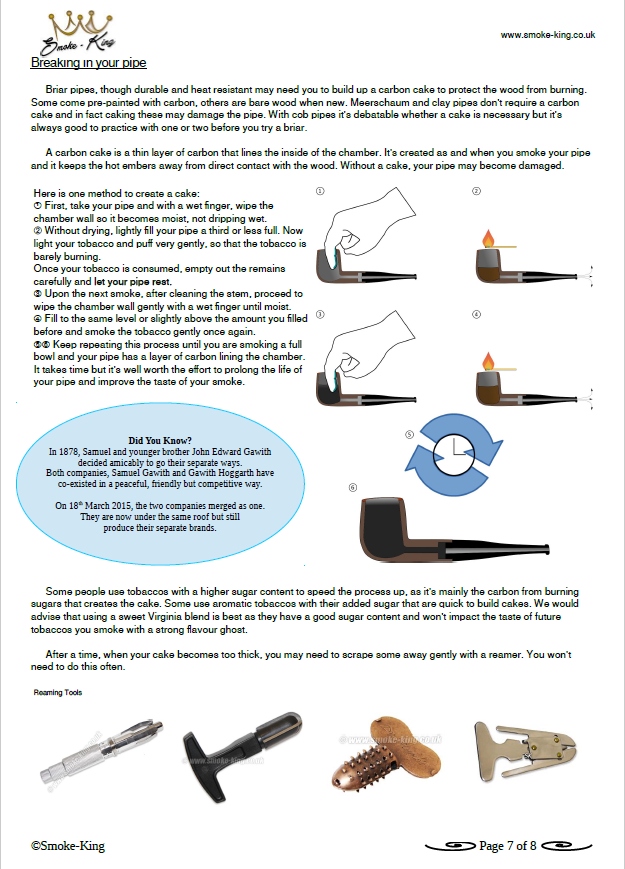

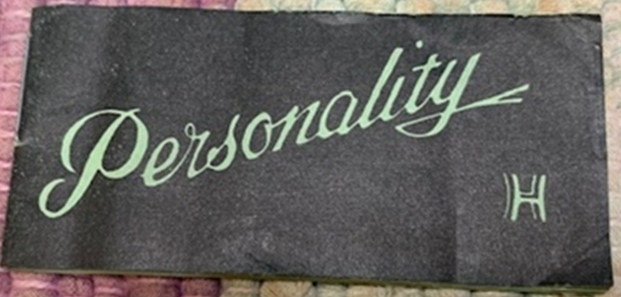
Over the years I have picked up various booklets and pamphlets on different brands of pipes. I take photos or scans of the documents and include them on rebornpipes for others to have access to them. Give the booklet a read. Thanks!

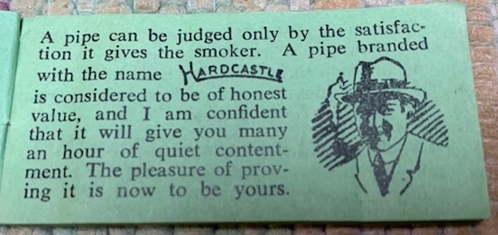
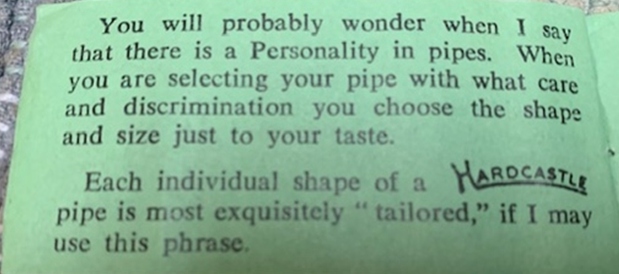
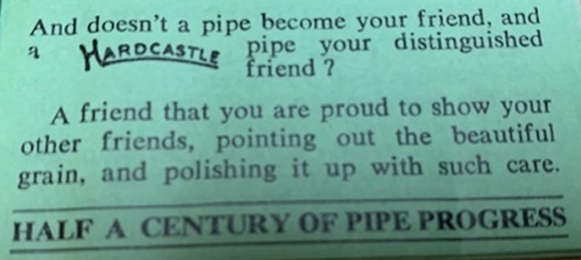

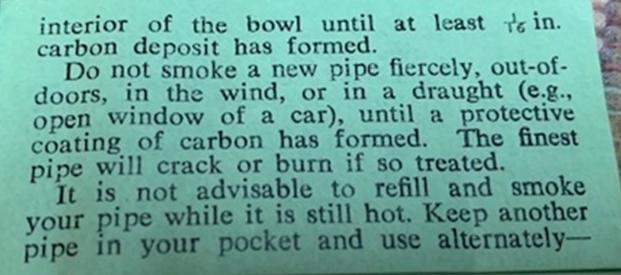
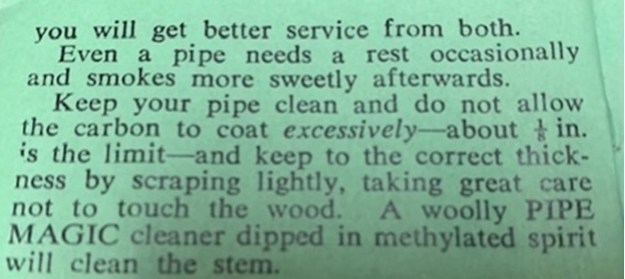
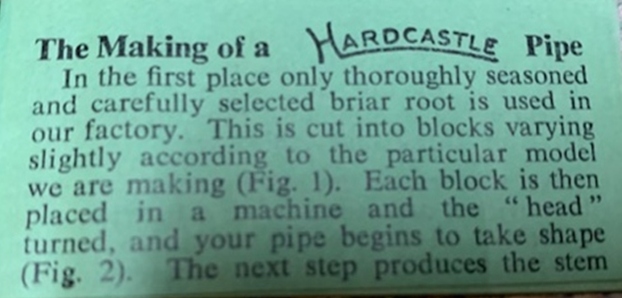
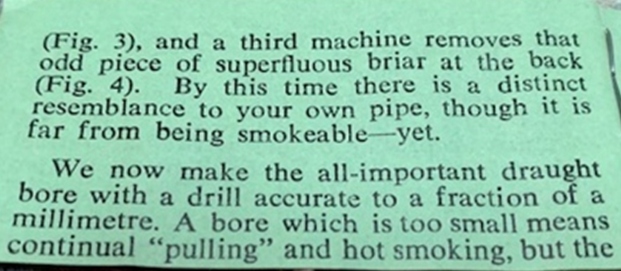
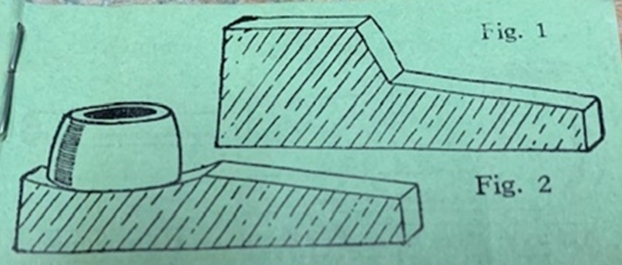
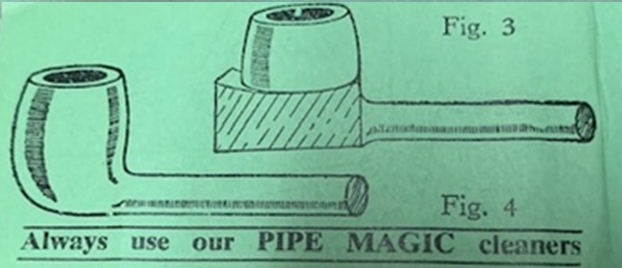
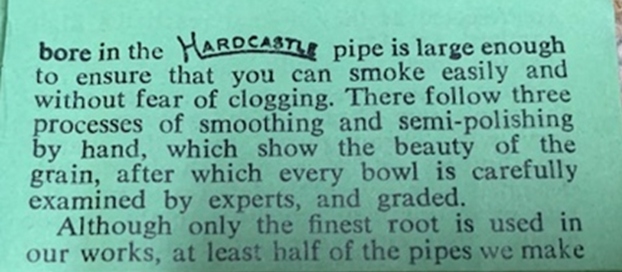
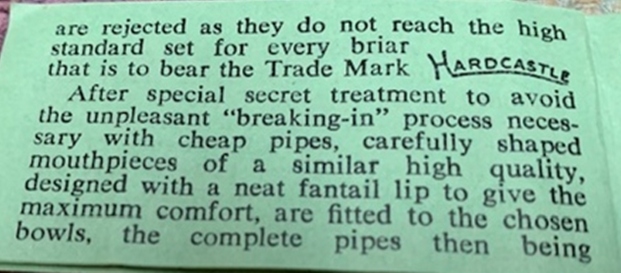


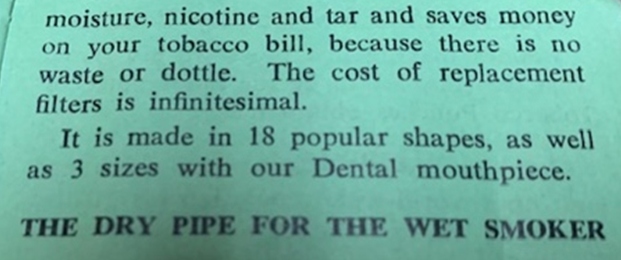
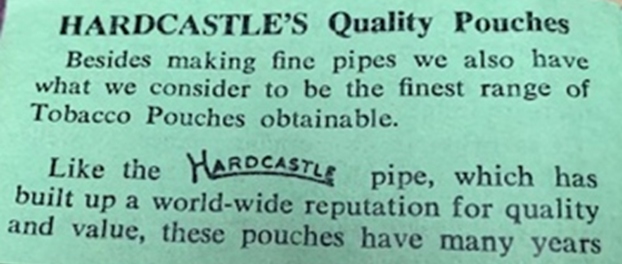

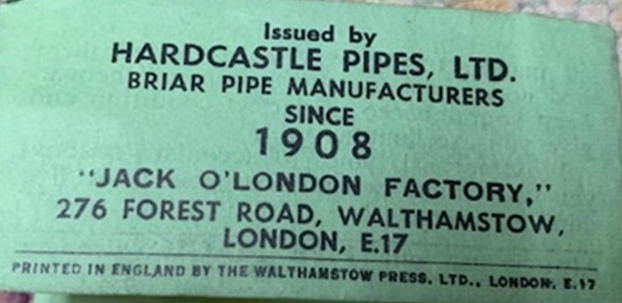
Blog by Steve Laug
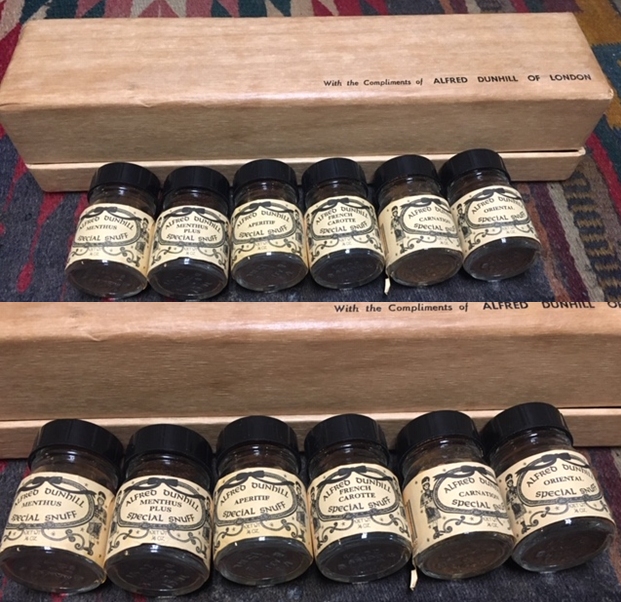
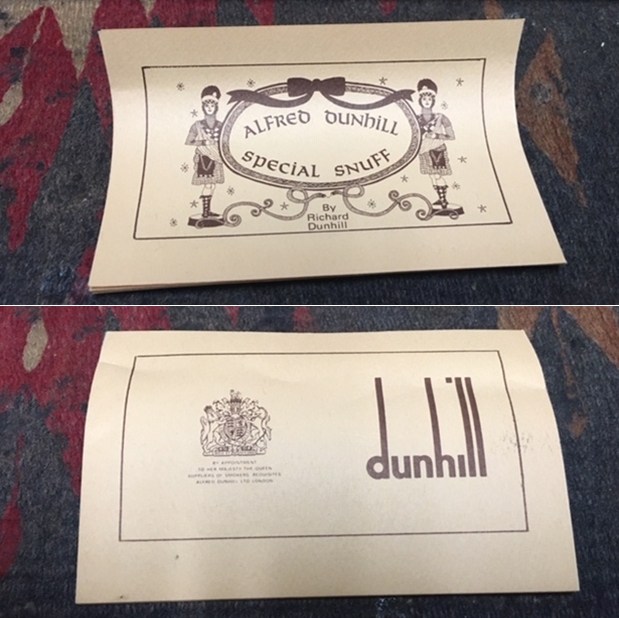
Irene and I were visiting with my brother and his wife on the Oregon Coast this past week and we had a great time together pipe hunting, trying out restaurants and going through the goodie bags he brought for me. He had cleaned up a good batch of nice pipes for me and brought them along to look at. There are some amazing pipes in the lot – but enough of that as you will see them in the days ahead. He also brought along some other interesting things that he had picked up in some of the estates that we had purchased. One of them was this Bamboo covered box. It had a hinged lid that was stamped “With the Compliments of Alfred Dunhill of London. It was narrow and a bit heavy. I opened the lid to have a look at what it contained and saw the six small jars with black lids and labels. There was also a small booklet in the inside of the cover that read Alfred Dunhill Special Snuff. Snuff is not something I have tried or even wanted to try out as the idea of inhaling powder up my nose is not of interest to me. But this setup was quite interesting and was the first Complimentary package of tobacciana that I had seen. I took the small jars out of the box and took several pictures of them. They had an ivory colored label with black images and lettering on them. There were six different snuffs in the box. These included Menthus, Menthus Plus, Aperitif, French Carotte, Carnation and Oriental. These different varieties were described in the booklet that came with the snuffs. I have included photos of the booklet below.
 The pamphlet had a cover with two figures on each side of an oval sign that read Alfred Dunhill Special Snuff and was written by Richard Dunhill. The backside read Dunhill with a crest that read By Appointment to Her Majesty the Queen (over) Suppliers of Smoking Requisites (over) Alfred Dunhill London.
  Inside was an interesting article written by Richard Dunhill himself. On one side it gave a series of paragraphs including Snuff Making and Grinding, Why is Snuff Taken, How to Take Snuff, Happy Snuffing. The other side had a Description of the Snuffs included in the sampler and a brief History of Snuff. I have included the pages below for your reading pleasure. Richard Dunhill had a way with words as both his book and this pamphlet show.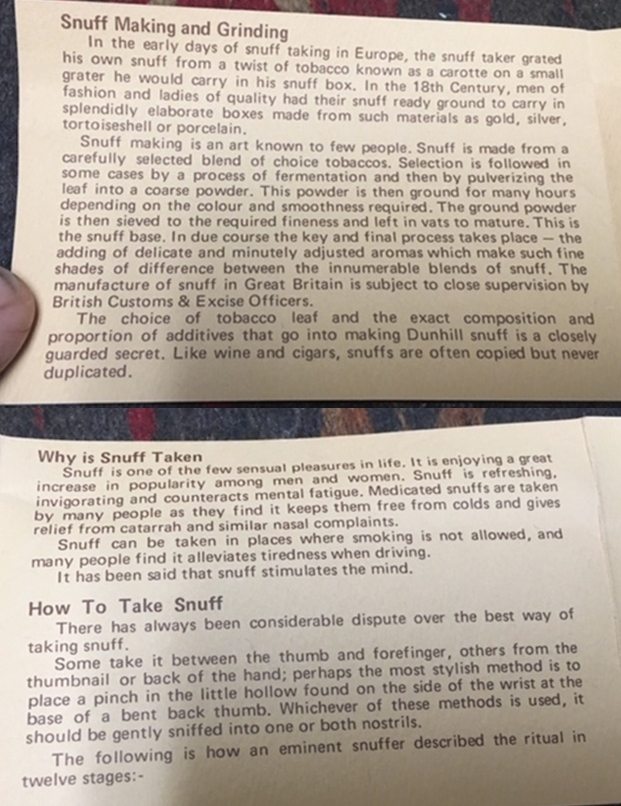
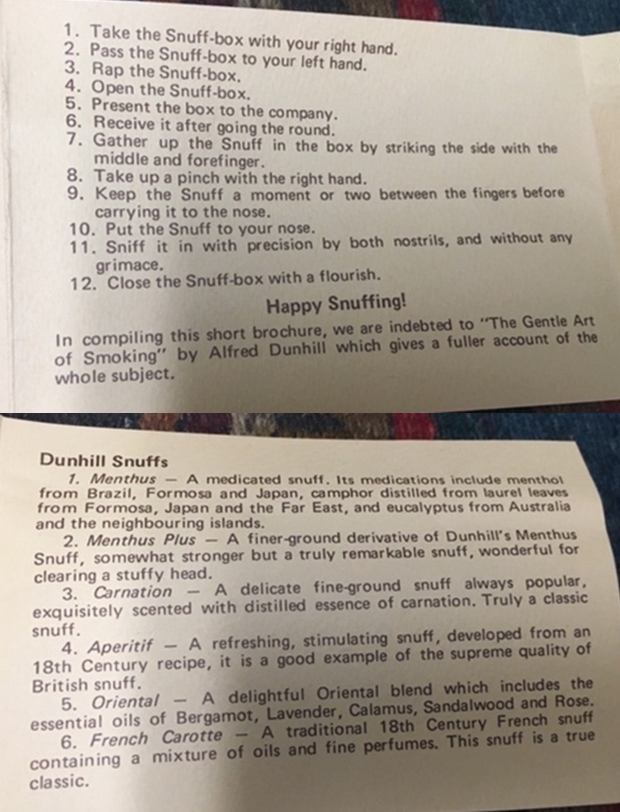
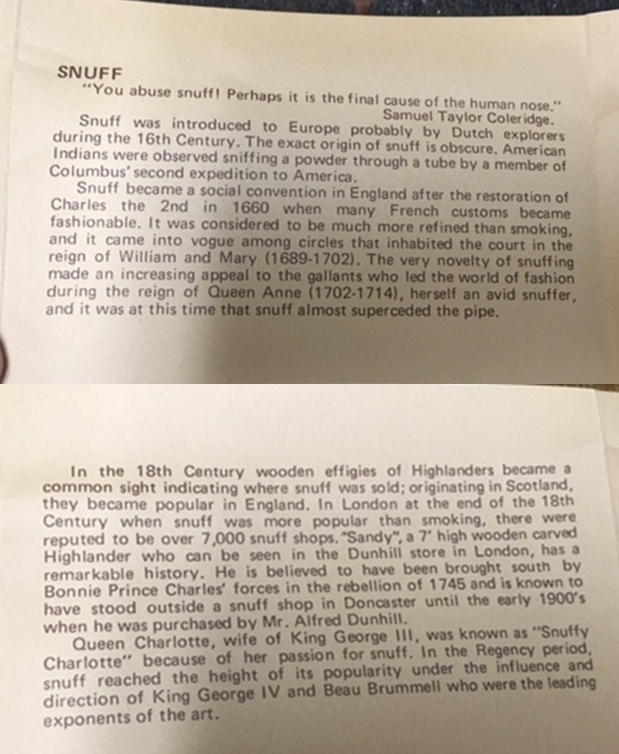 Each of the bottles of snuff was described clearly in the pamphlet. Those descriptions are interesting so I have included them here.
Menthus – a medicated snuff. Its medications include Menthol from Brazil, Formosa and Japan, Camphor distilled from laurel leaves from Formosa, Japan and the Far East, and Eucalyptus from Australia and the neighbouring islands.
Menthus Plus – a finer-ground derivative of Dunhill’s Menthus Snuff, somewhat stronger but a truly remarkable snuff, wonderful for clearing a stuffy head.
Aperitif – a refreshing, stimulating snuff, developed from an 18th Century recipe, it is a good example of the supreme quality of British snuff.
French Carotte – a traditional 18th Century French snuff containing a mixture and fine perfumes. This snuff is a true classic
Carnation – a delicate fine-ground snuff always popular, scented exquisitely with distilled essence of carnation. Truly a classic snuff.
Oriental – a delightful Oriental blend which includes essential oils of Bergamot, Lavender, Calamus, Sandlewood and Rose.
The descriptions almost have an aroma.
Blog by Steve Laug
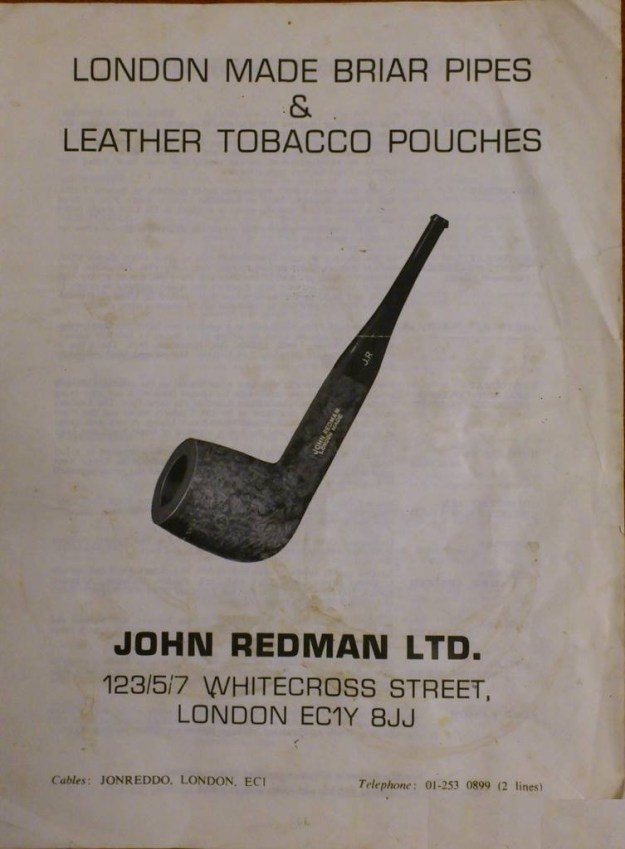
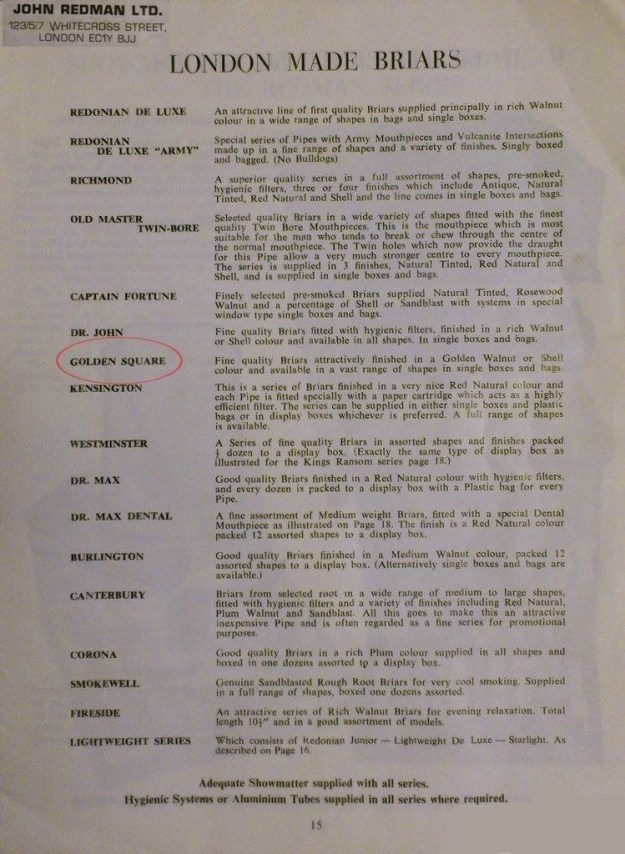
I found this John Redman leaflet saved on my iPad from from 2012-13. I think I found it in a box of papers that came with some estate pipes that Jeff and I purchased. I am not sure where it truly came from but I thought it was worth preserving here. Give it a read and enjoy! Thanks
 rebornpipes