
By Al Jones

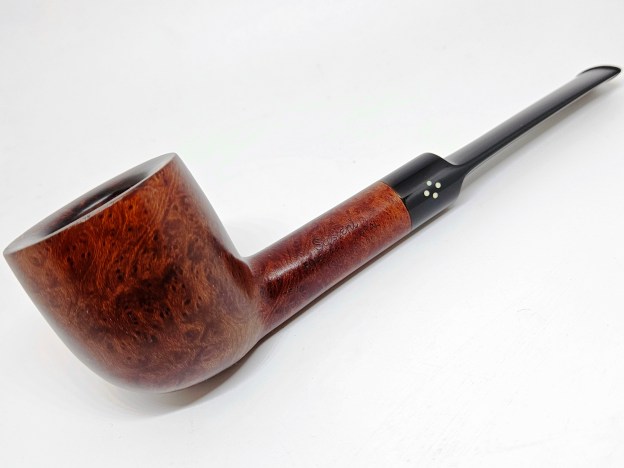
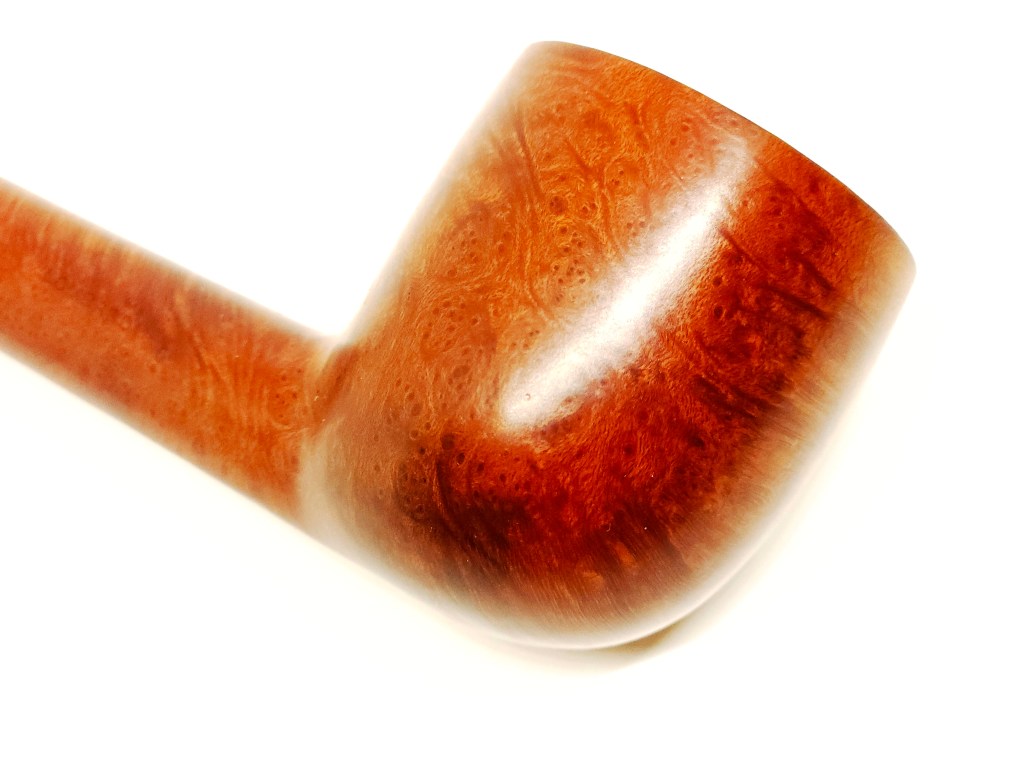
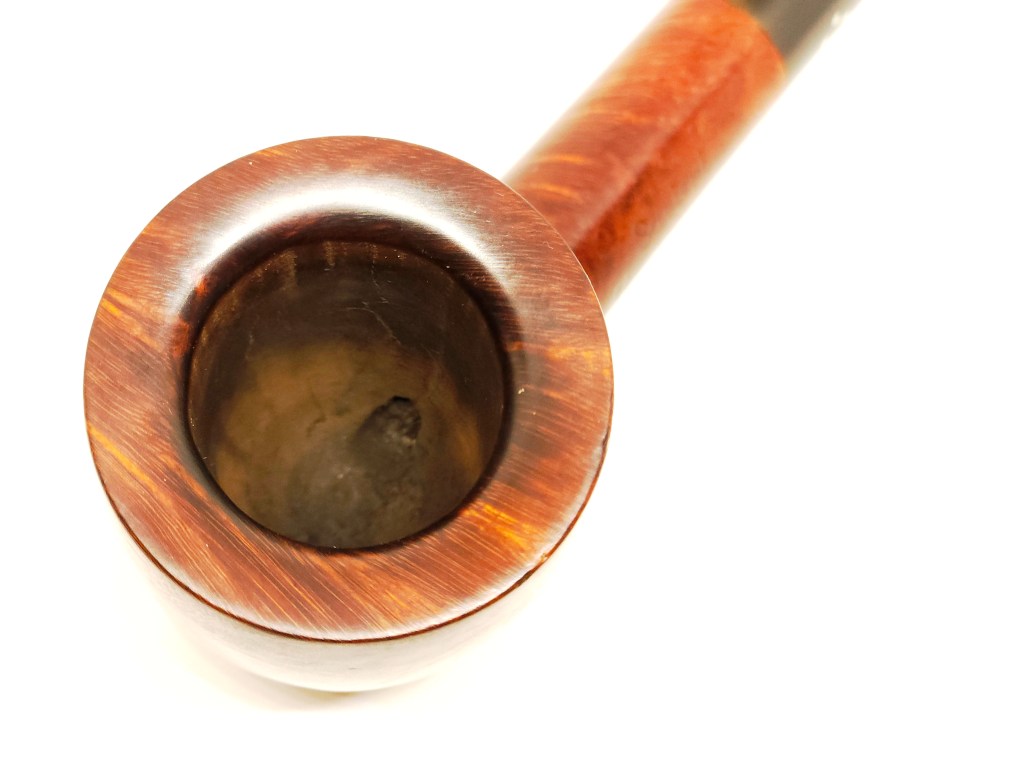
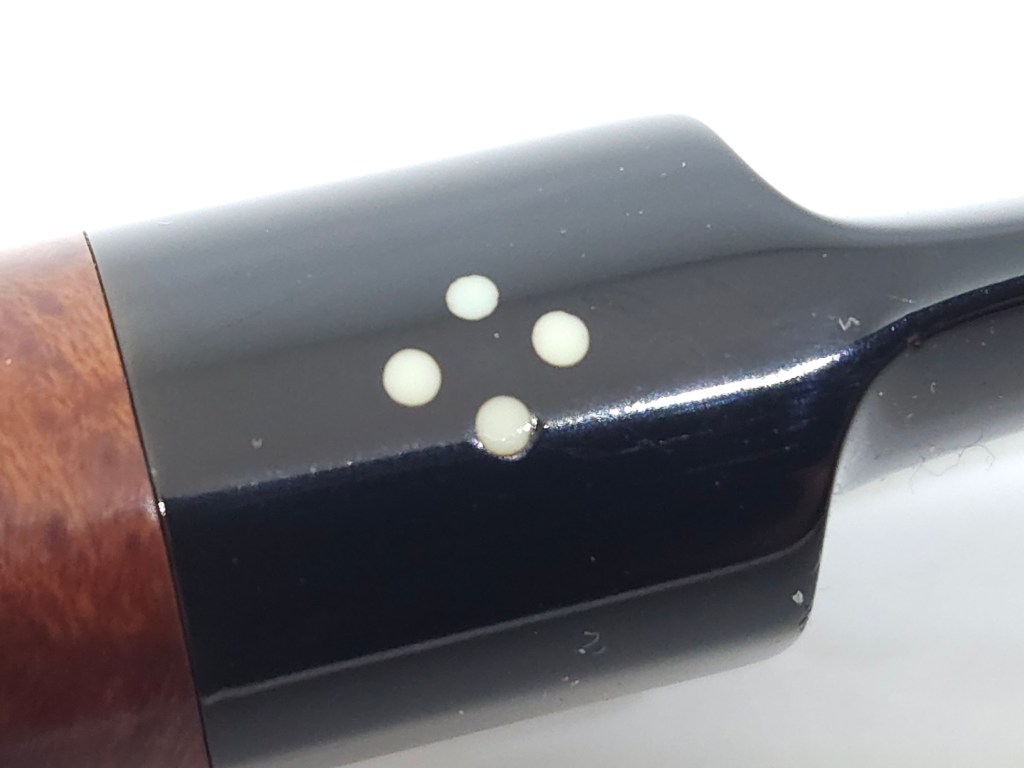
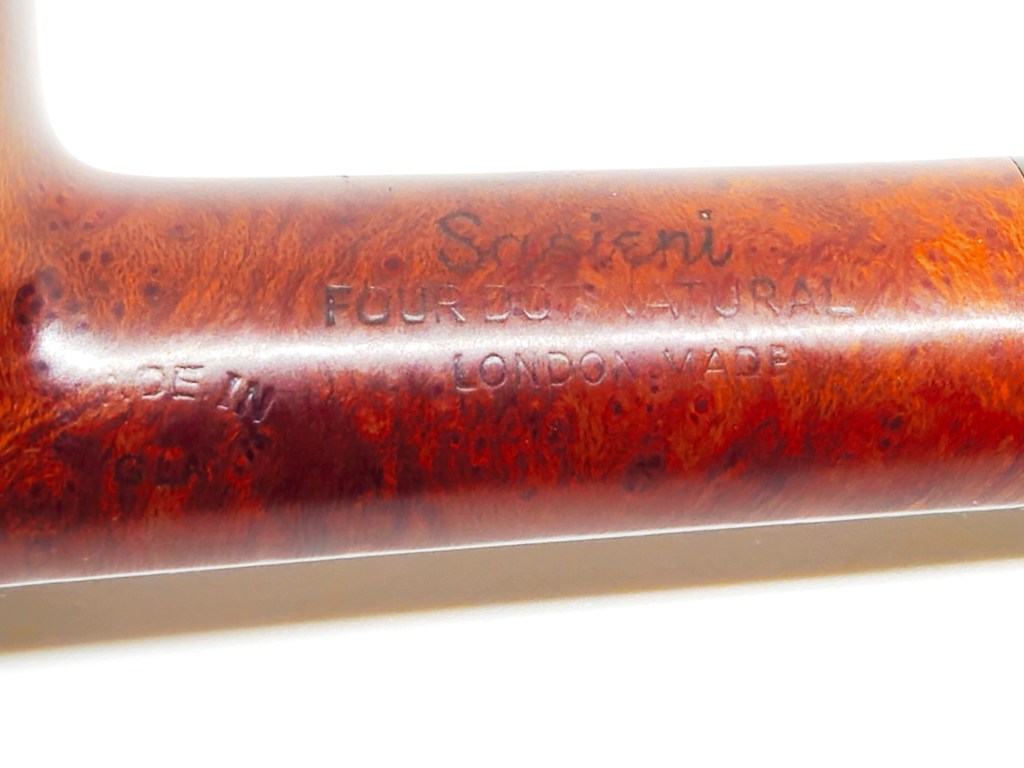
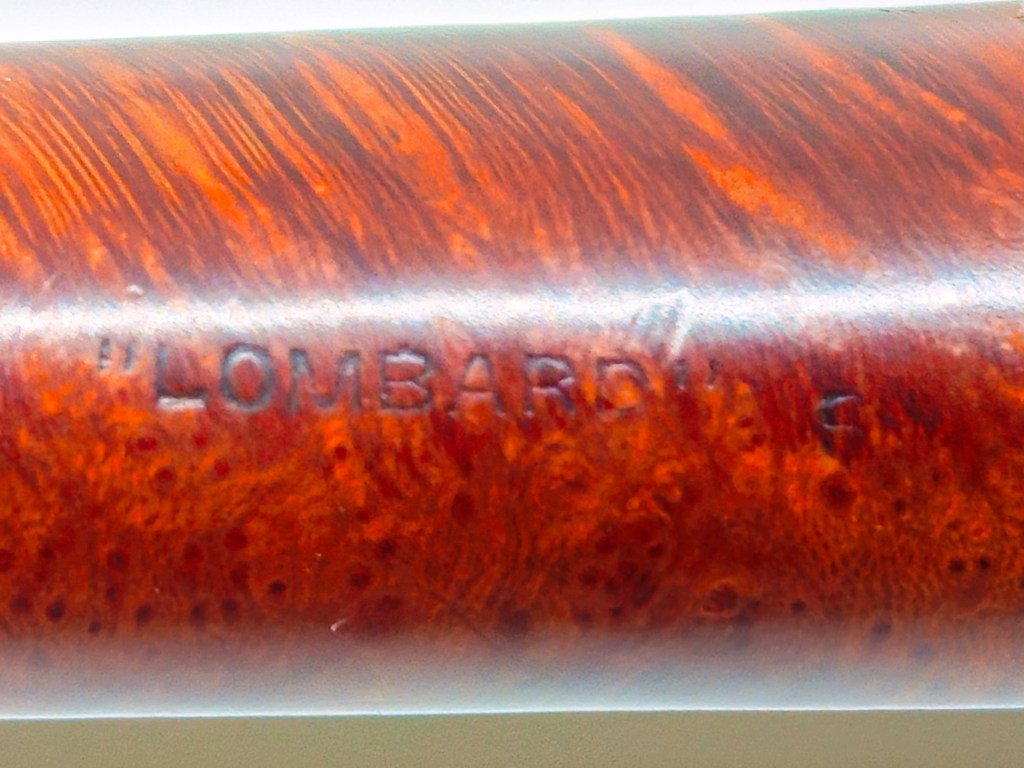
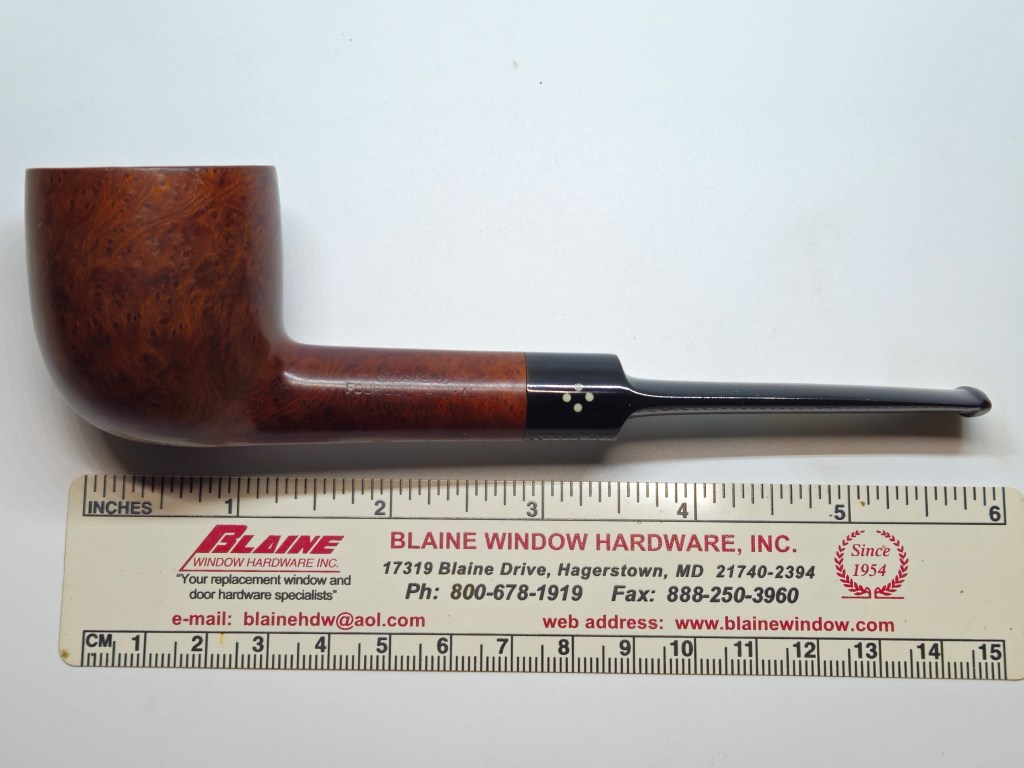
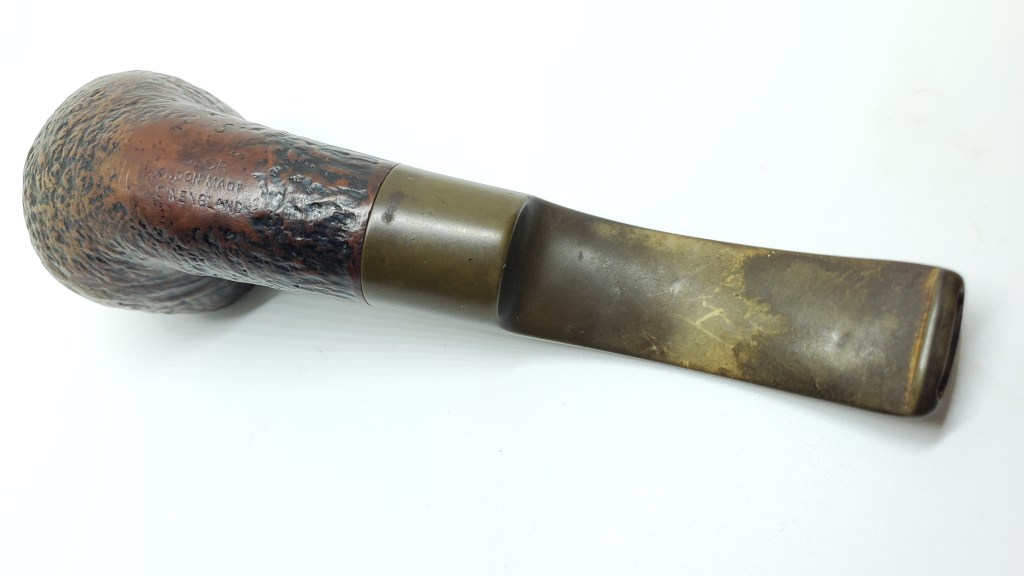
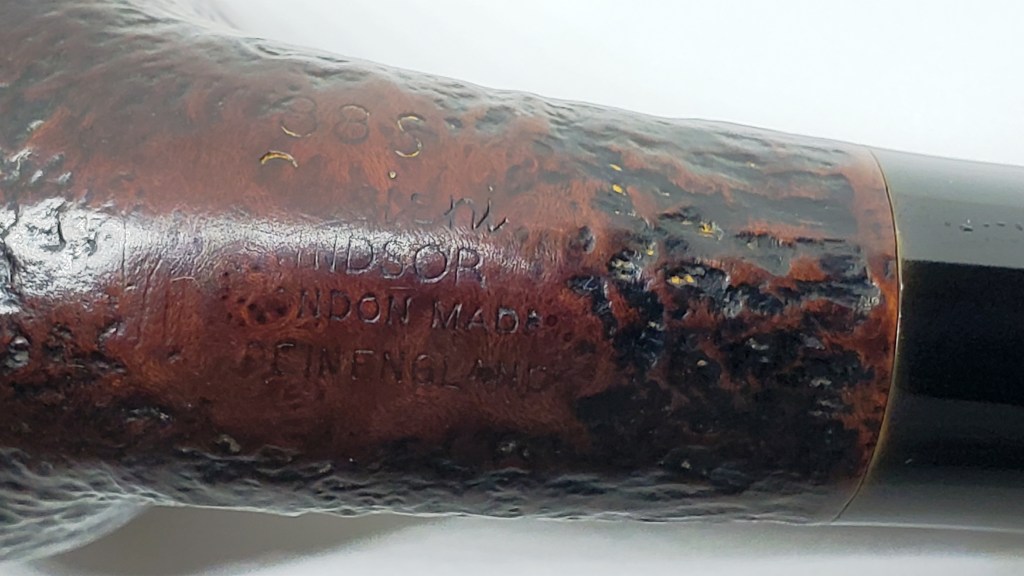
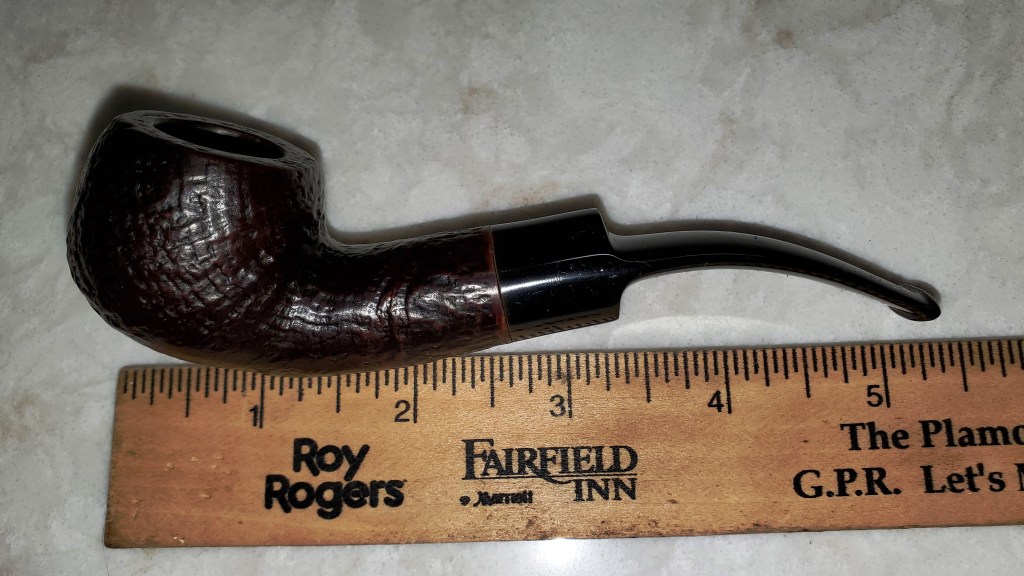
This is the first Sasieni “Lombard” shape to show up on my workbench. Initially, I couldn’t find much about the Lombard shape. However looking thru some scanned catalogs, I found these descriptors about Natural and Lombard shape. The Natural line to my eye, develops the best patina of the Sasieni finishes. Now, I see that it is only a waxed finish, so that explains that result. The Lombard is a sister shape to the more commonly seen “Moorgate” pot shape. The Lombard differentiates by adding a beveled bowl top. The “S” stamp is for the saddle stem. The stamping shows that the pipe was made between the late 1940s and 1979. The lack of a patent number shows it wasn’t made before the 1940’s.
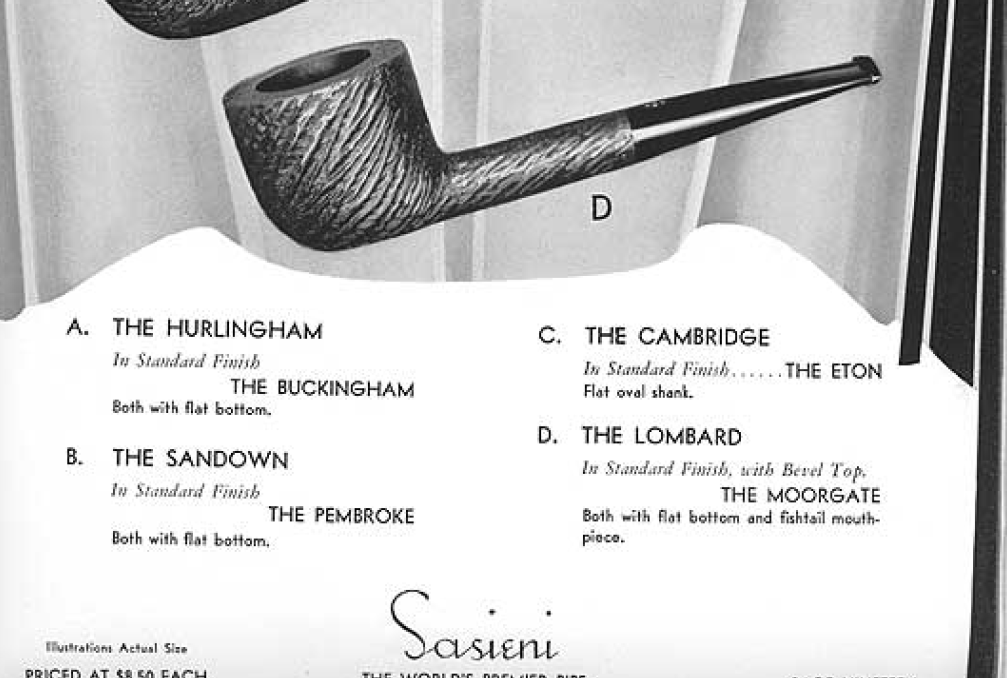
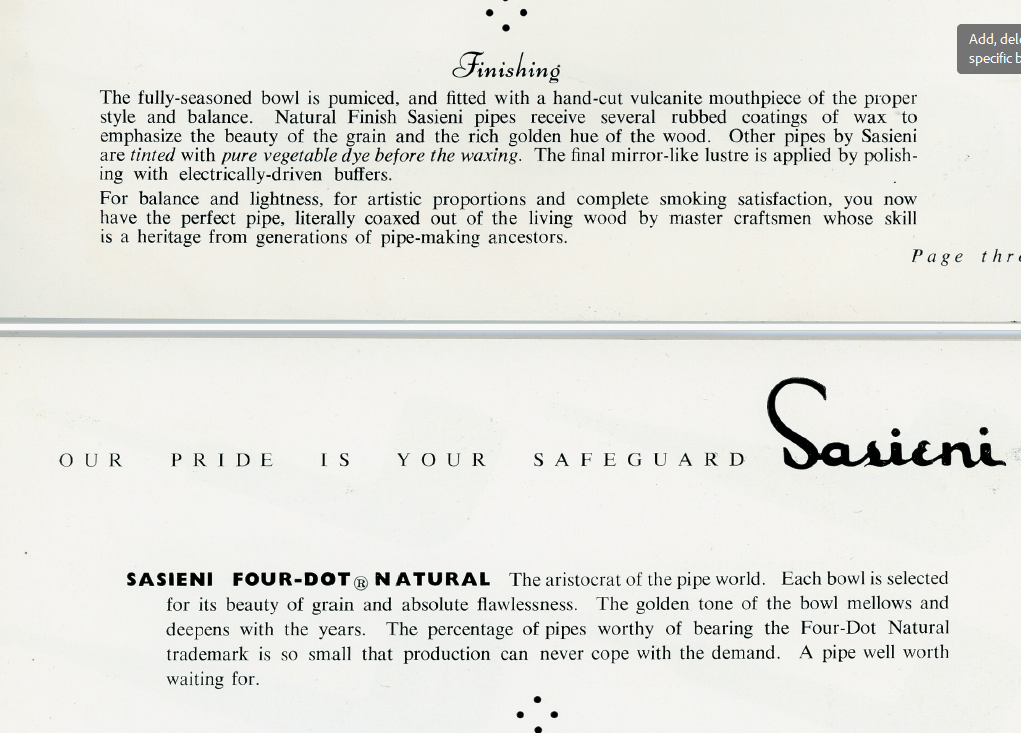
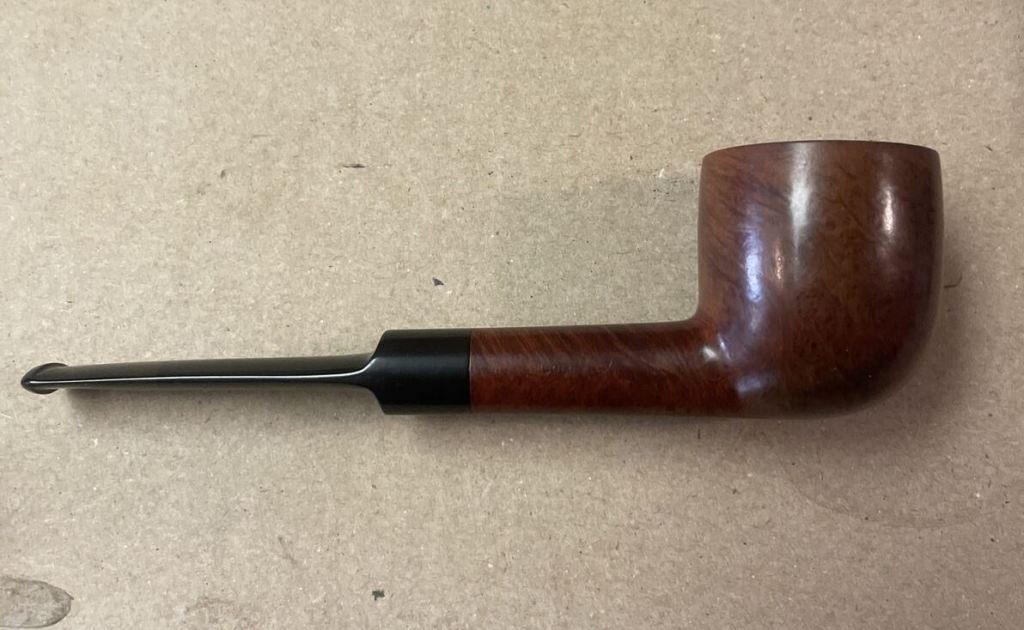
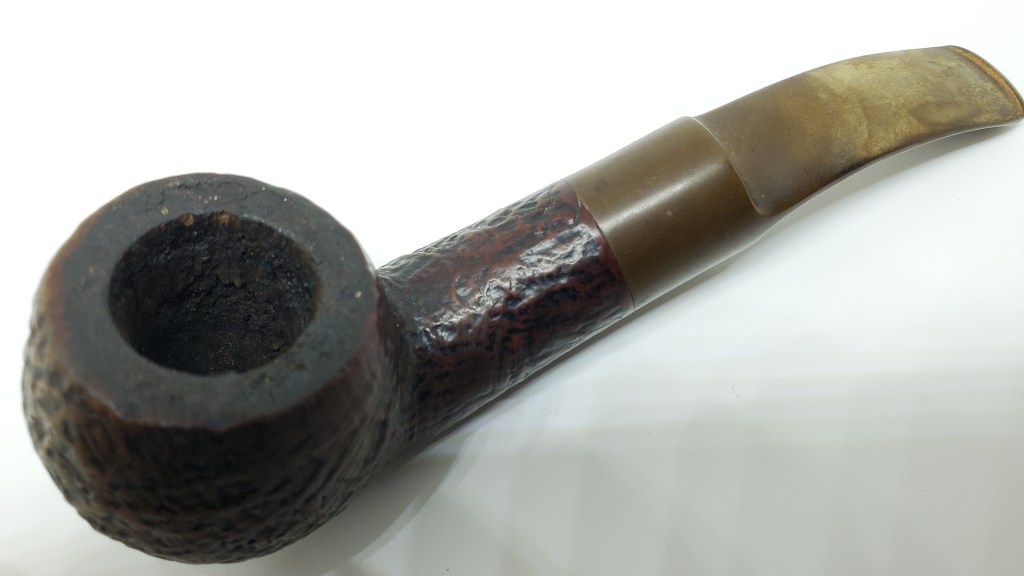
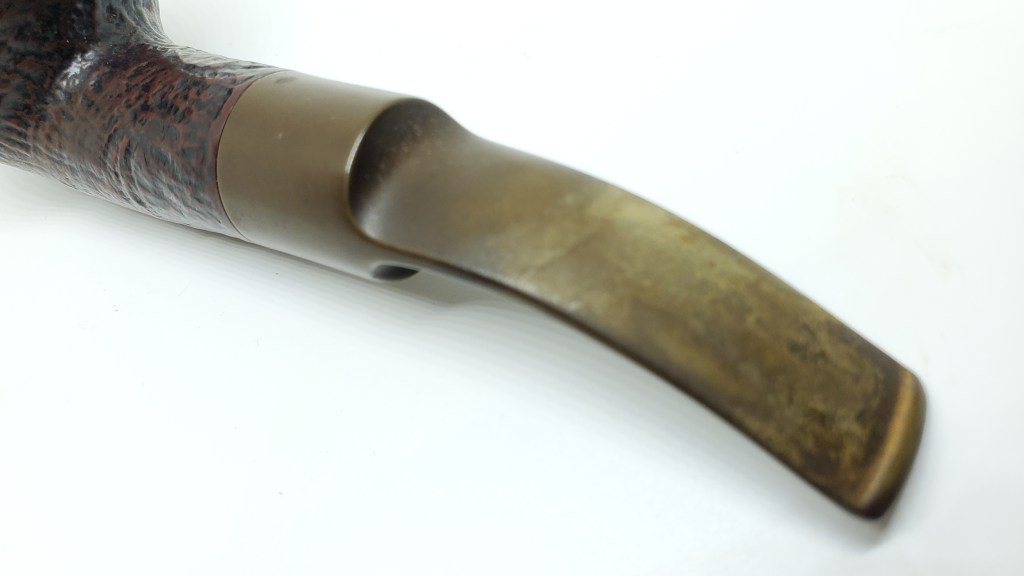
In my zeal to get started on the pipe, I neglected to take pictures. The two below are from the seller. The pipe was in very good condition, and I knew it would be an easy restoration. The finish was faded and the stem only had some very light oxidation. The button and fitment were excellent and the nomenclature was also very strong. The was a very mild cake.
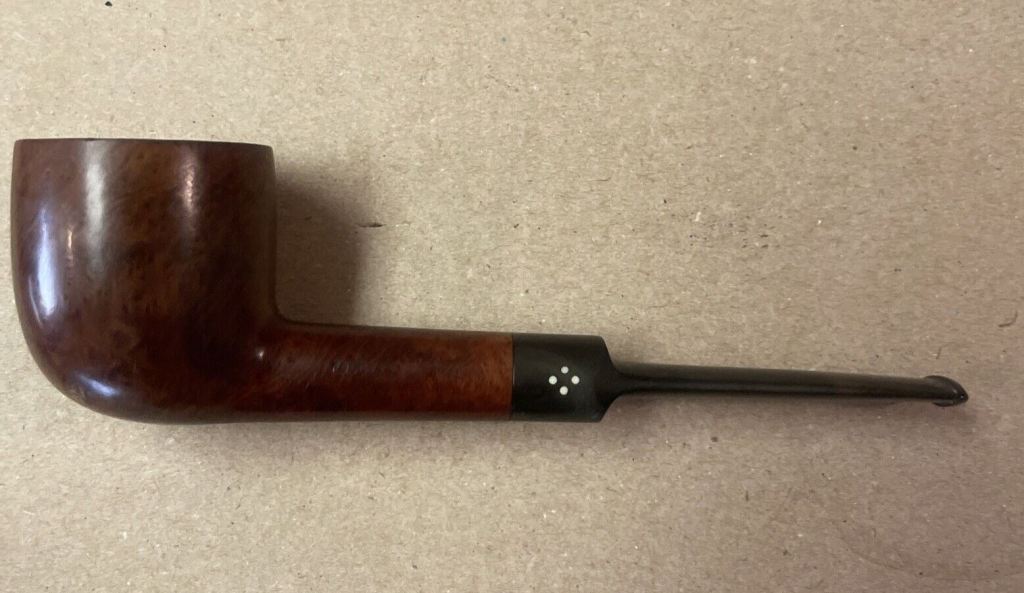
I used my Pipenet reamer to remove the cake. The bowl was then filled with sea salt and alcohol and left to soak. Following the soak, I used a bristle brush dipped in alcohol to clean the shank.
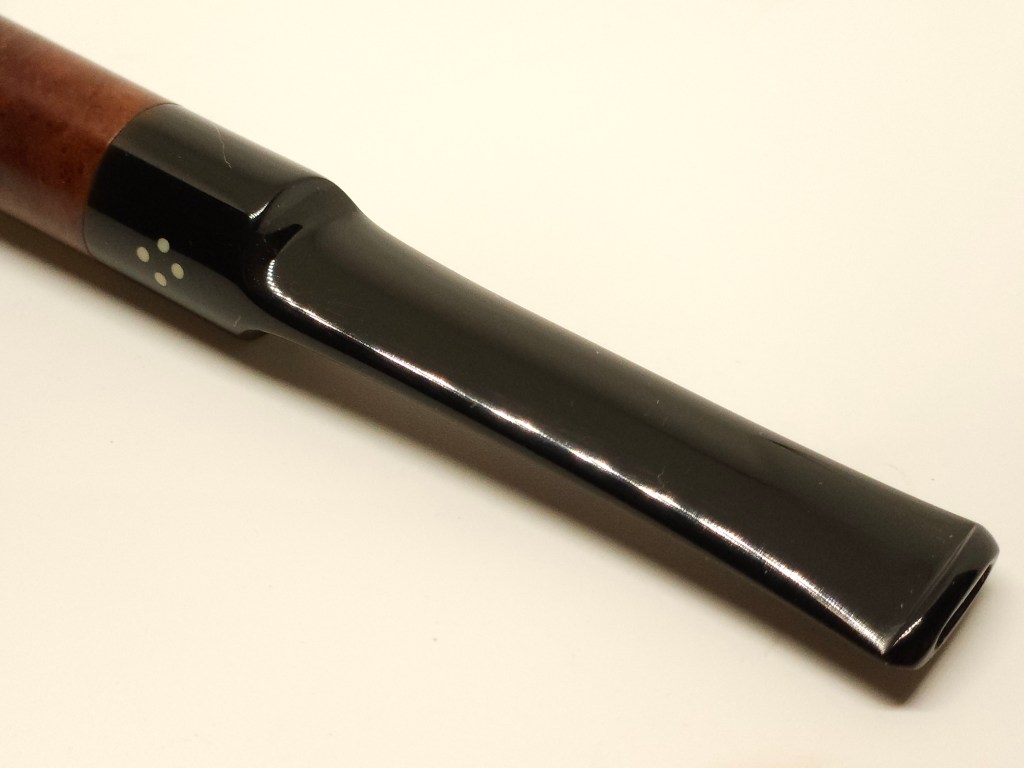
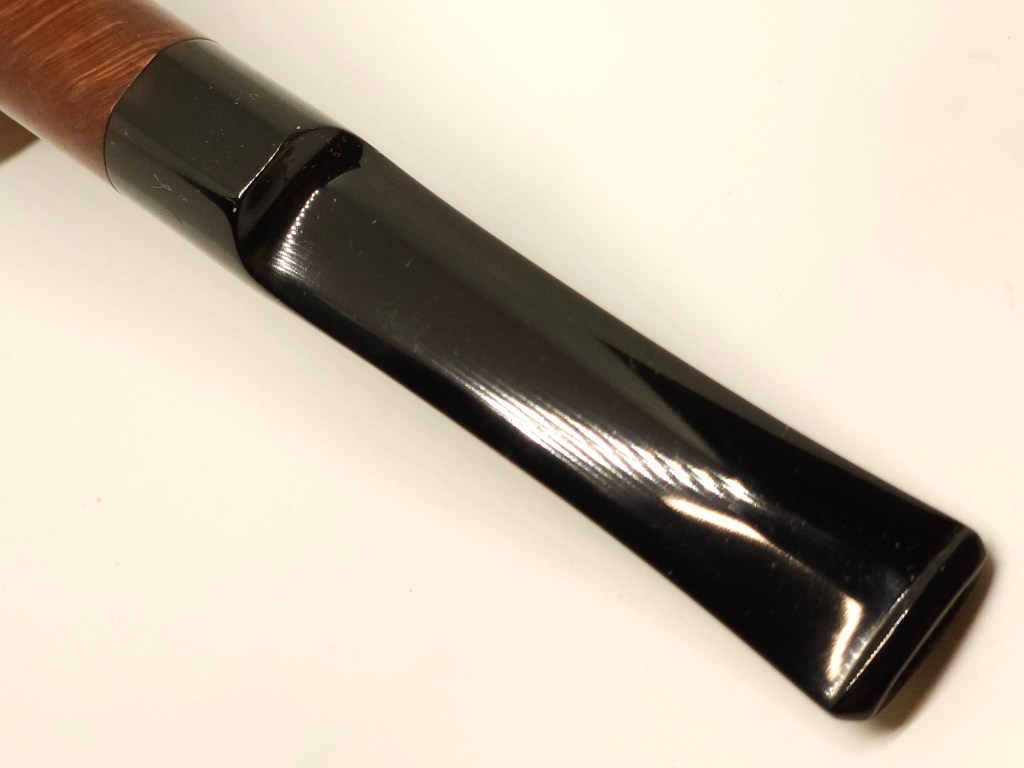
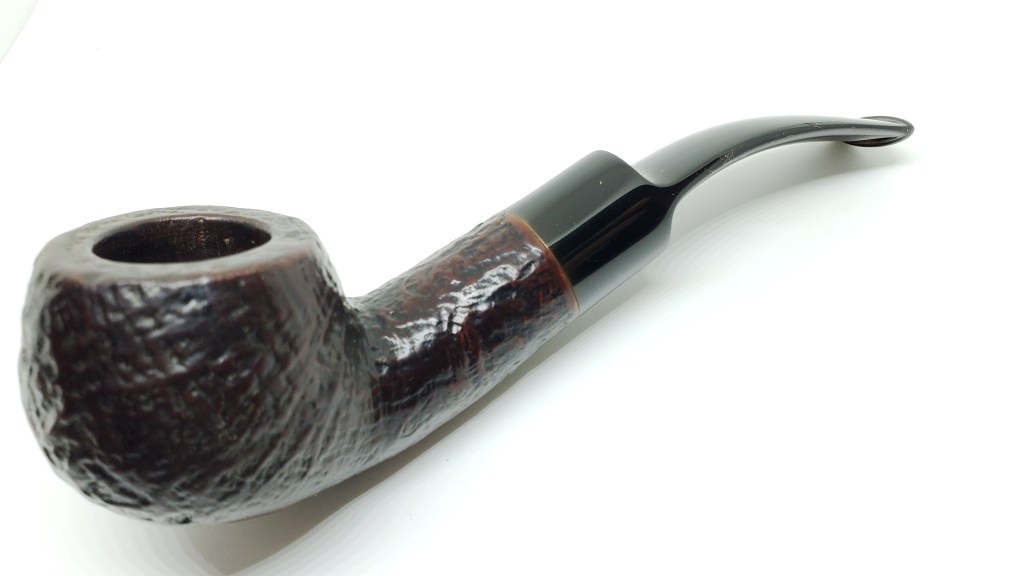
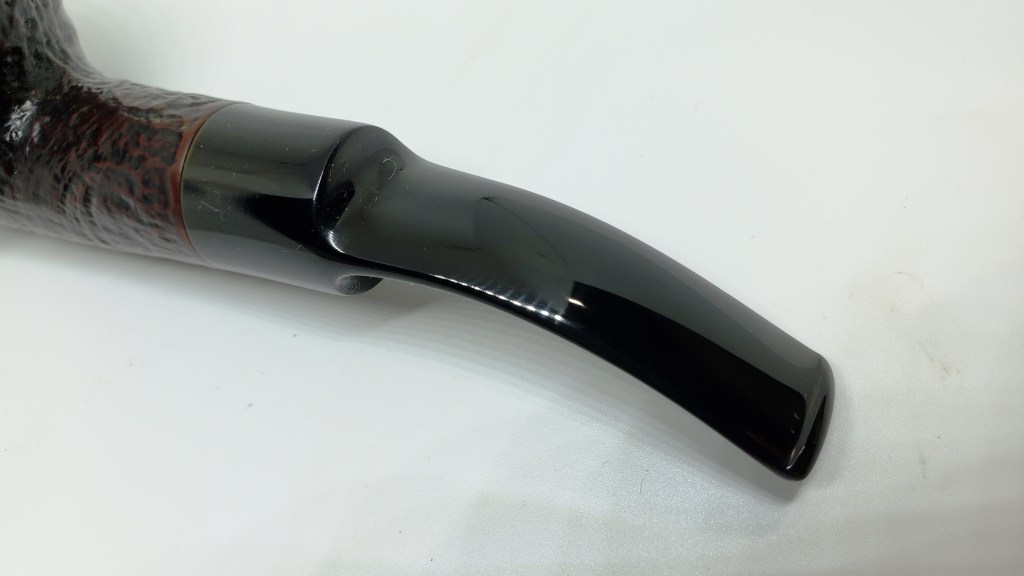
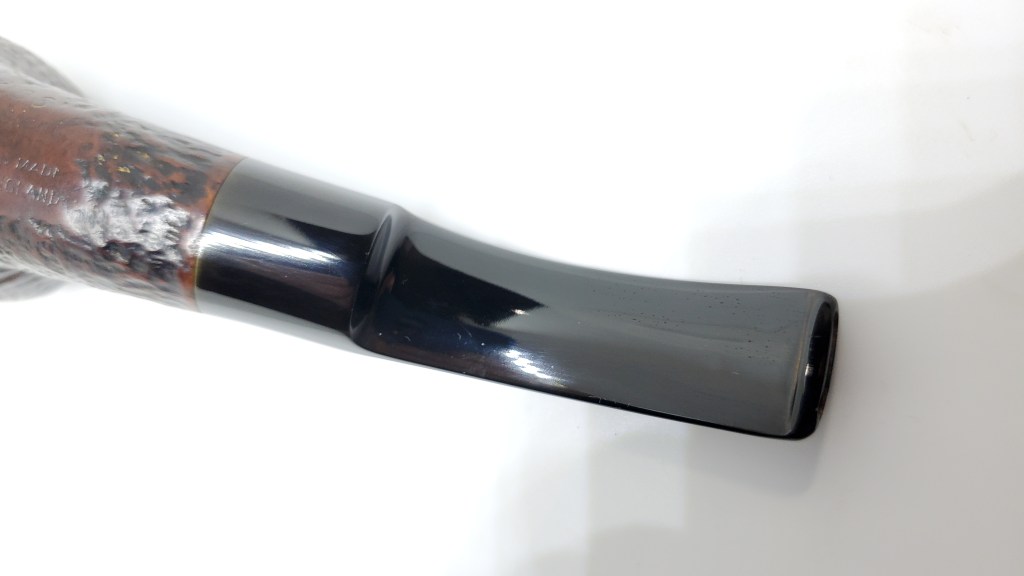
Following the soak, the stem was mounted. I removed the oxidation using 800, 1500 and 2000 grade paper. The stem was then buffed with White Diamond and Meguiars Plastic polish. The bowl was buffed lightly with White Diamond rouge and then several coats of carnuba wax were applied, just like at the factory.
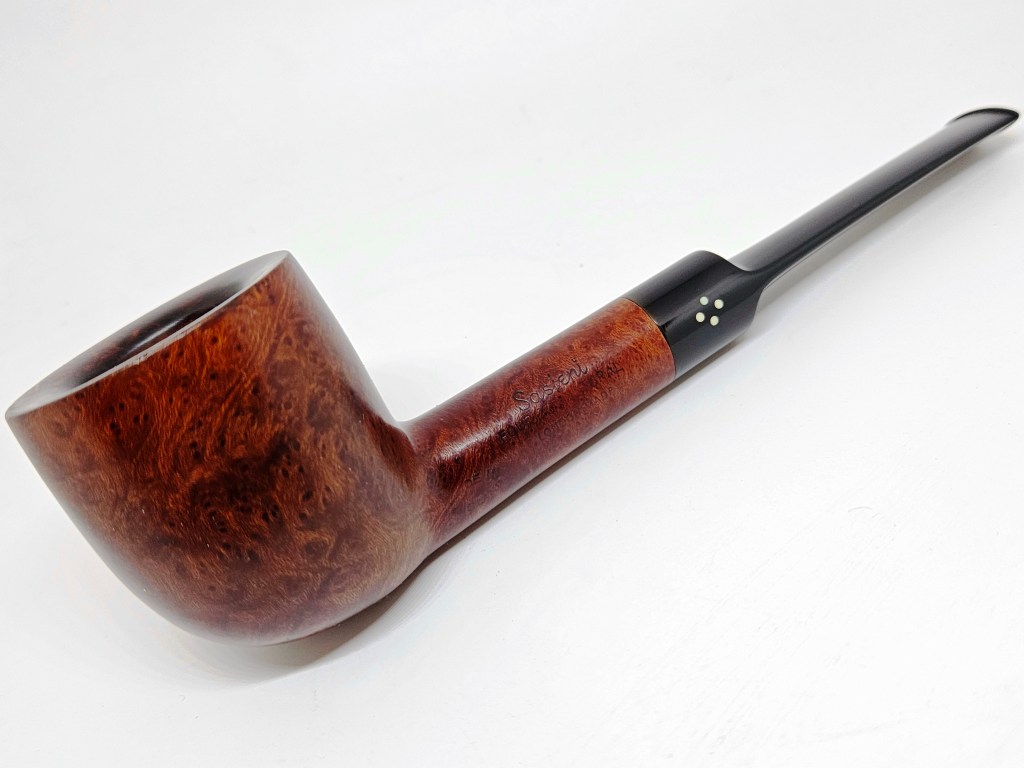
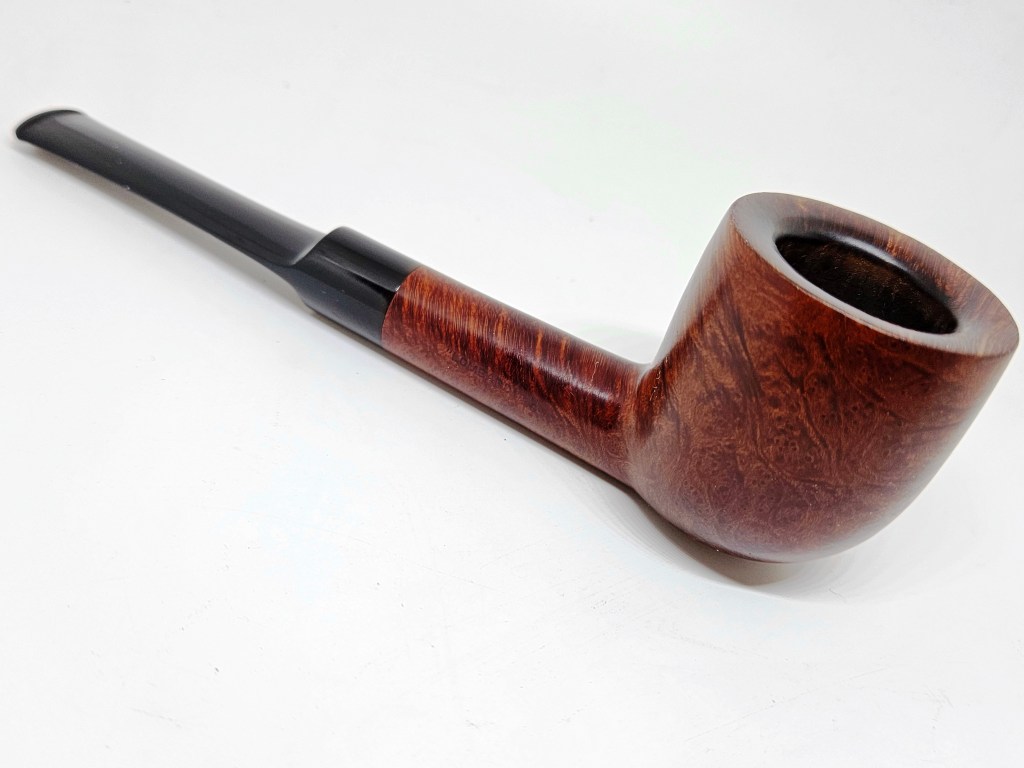
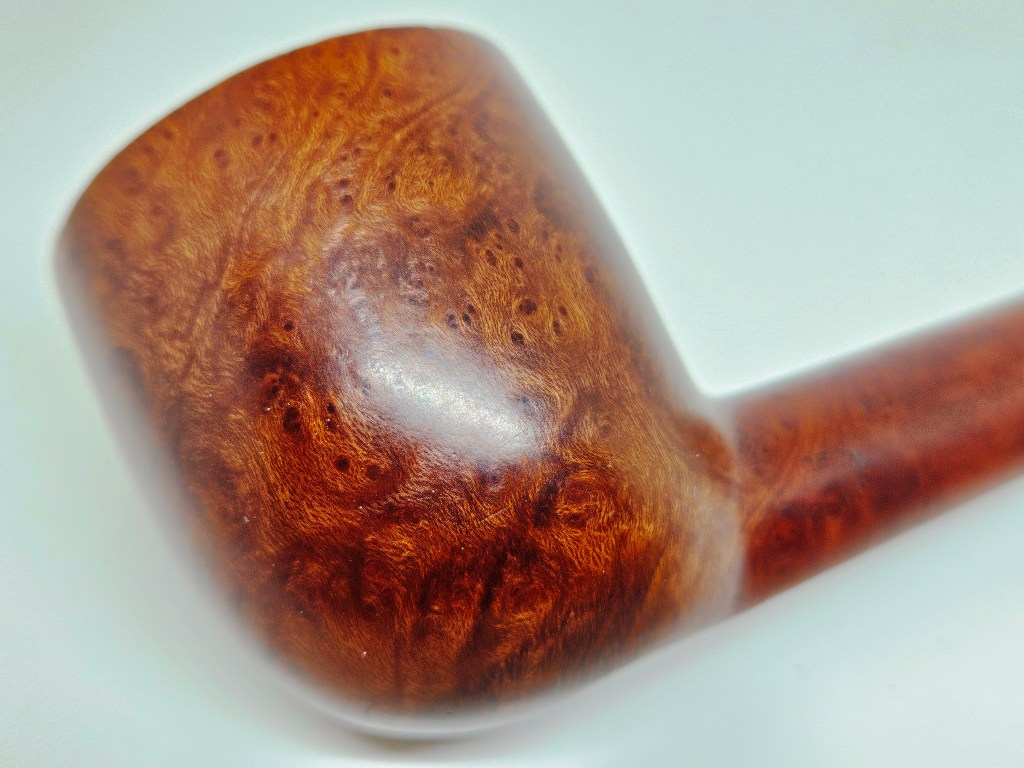
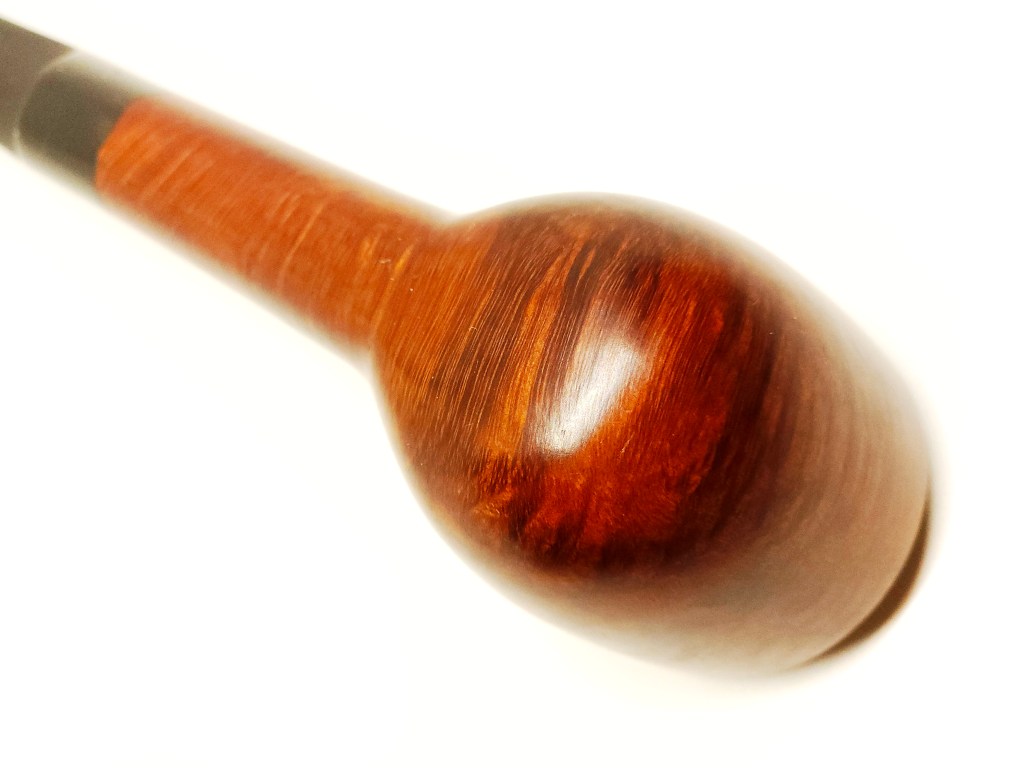
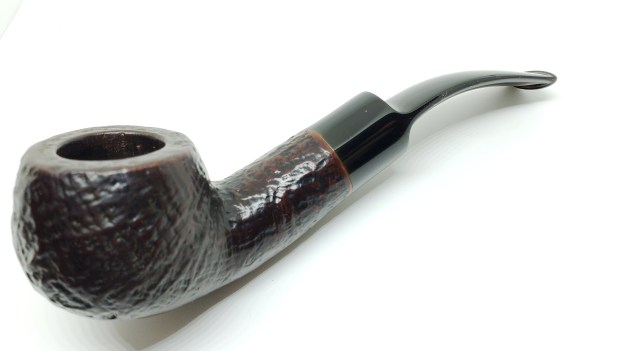
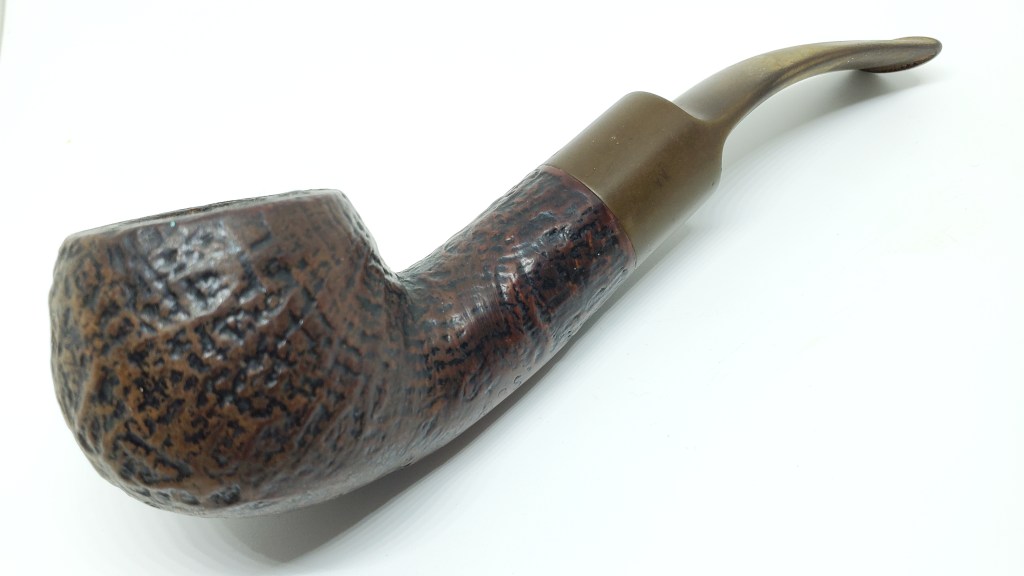
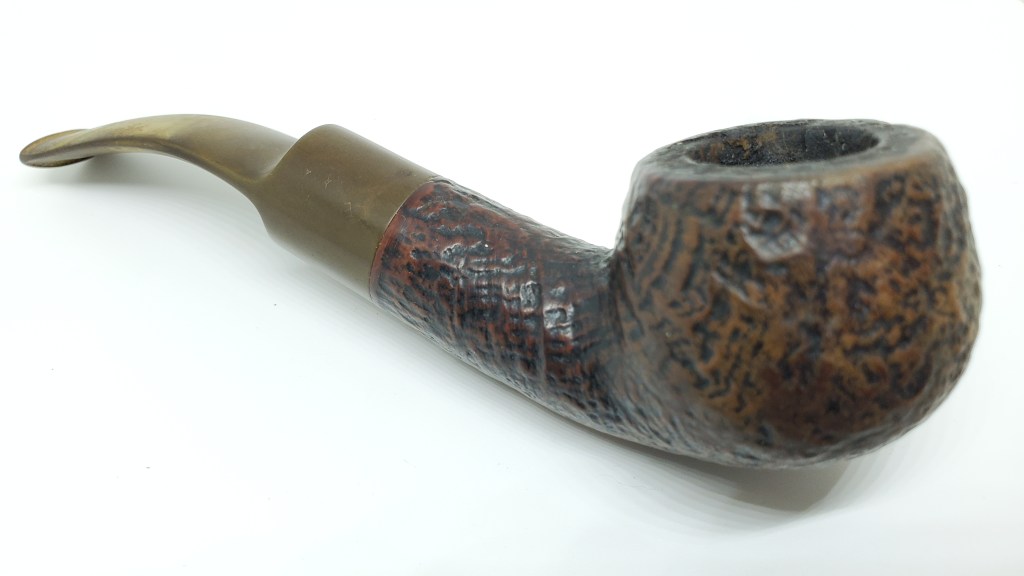
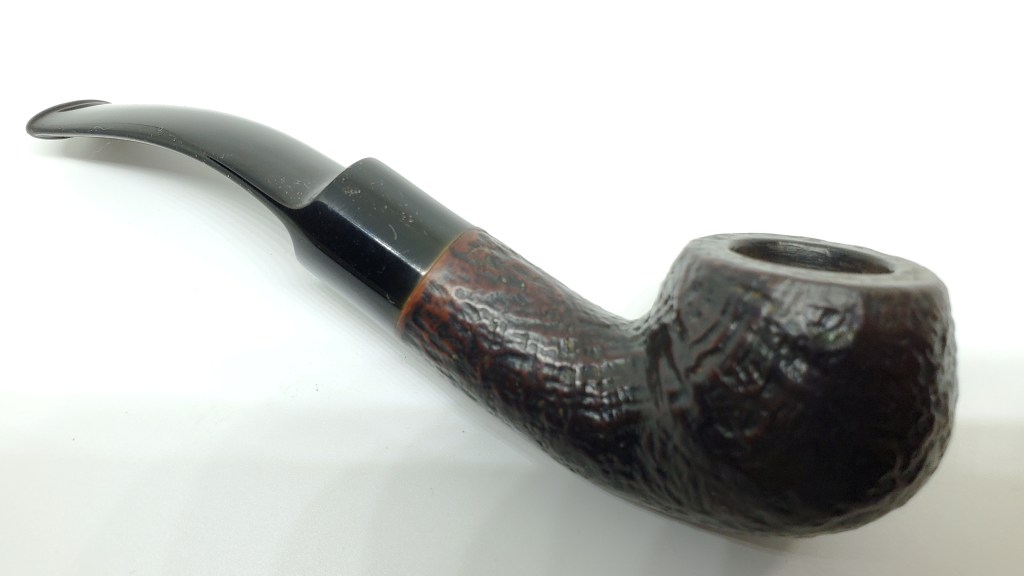
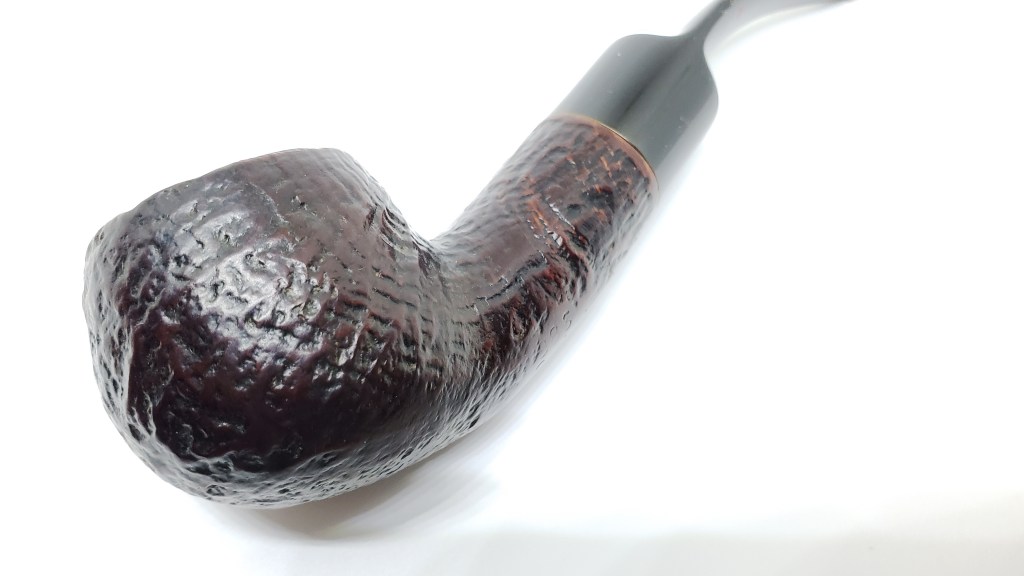
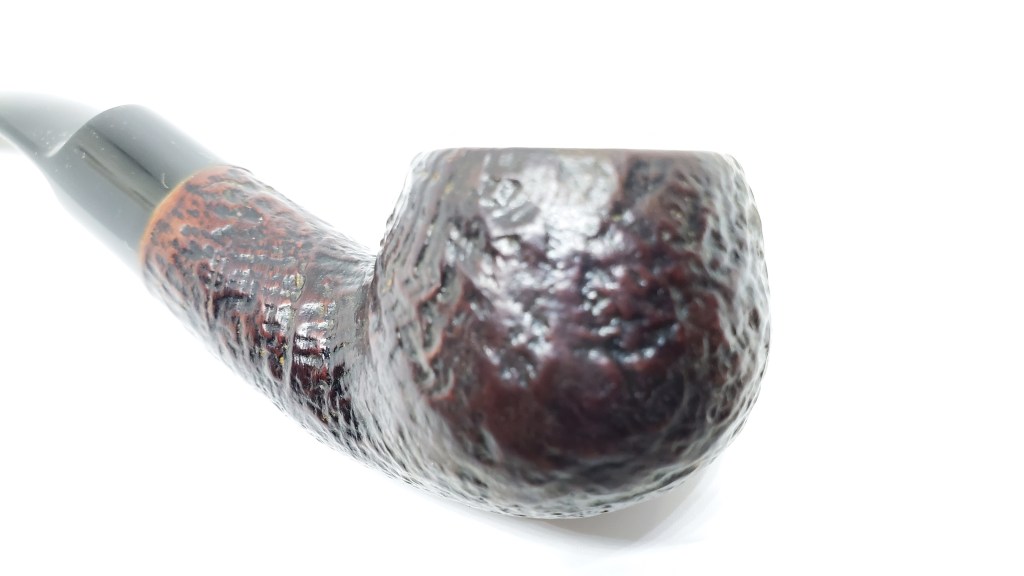
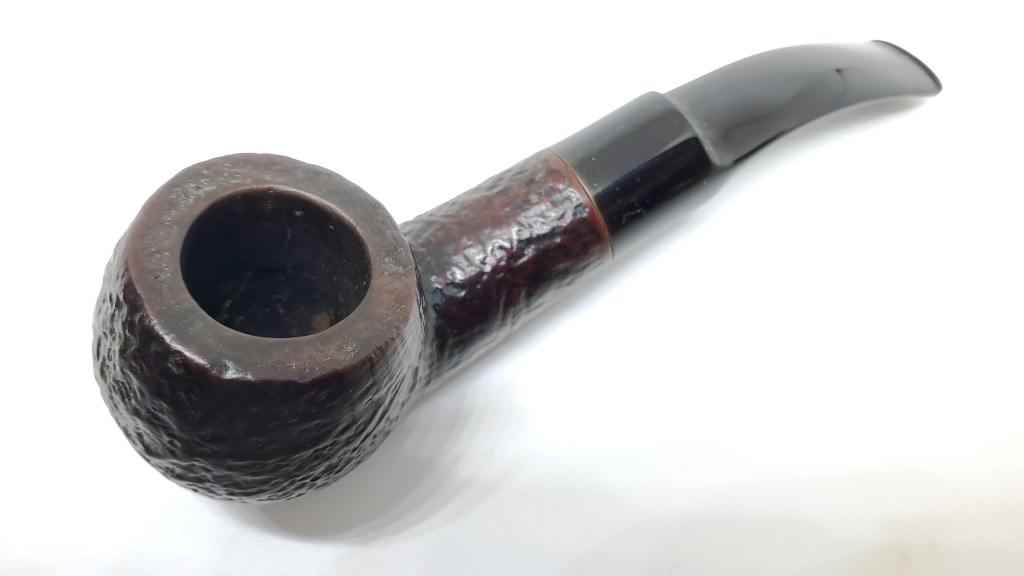
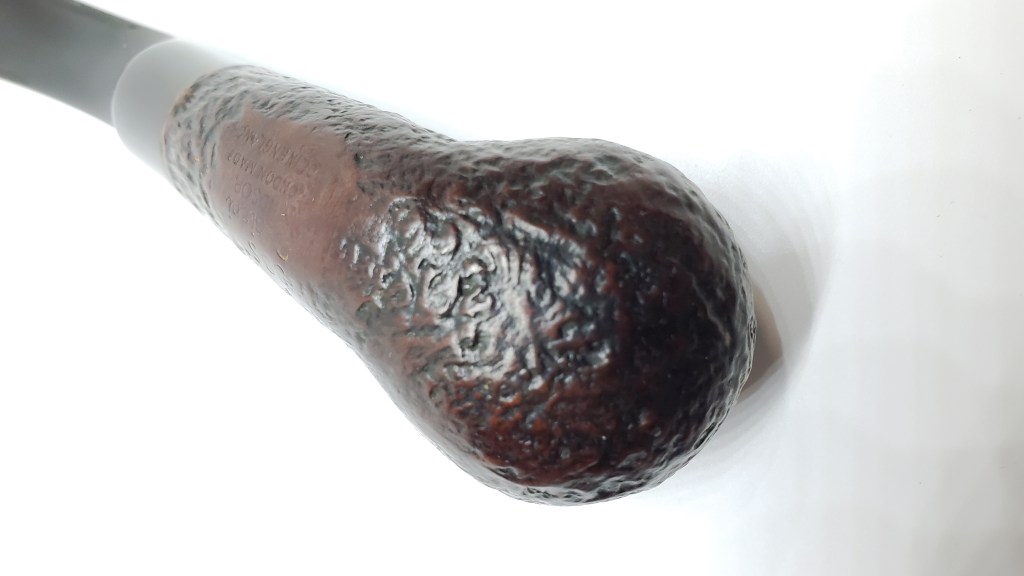
Below is the finished pipe.
 rebornpipes