Tag Archives: New Tenon

Pipe Maker’s Emporium Tenon Turning Tool


Blog by Greg Wolford

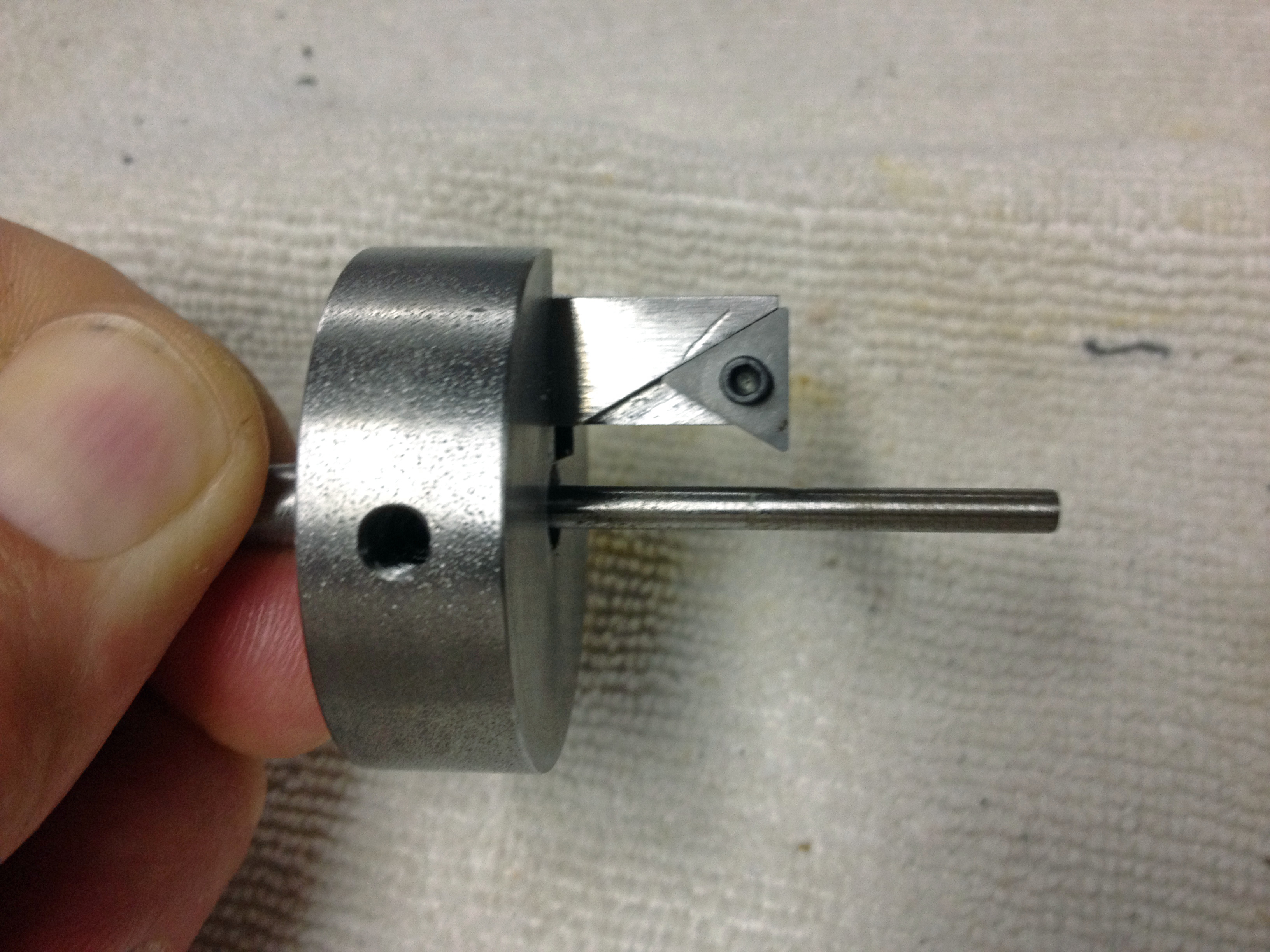
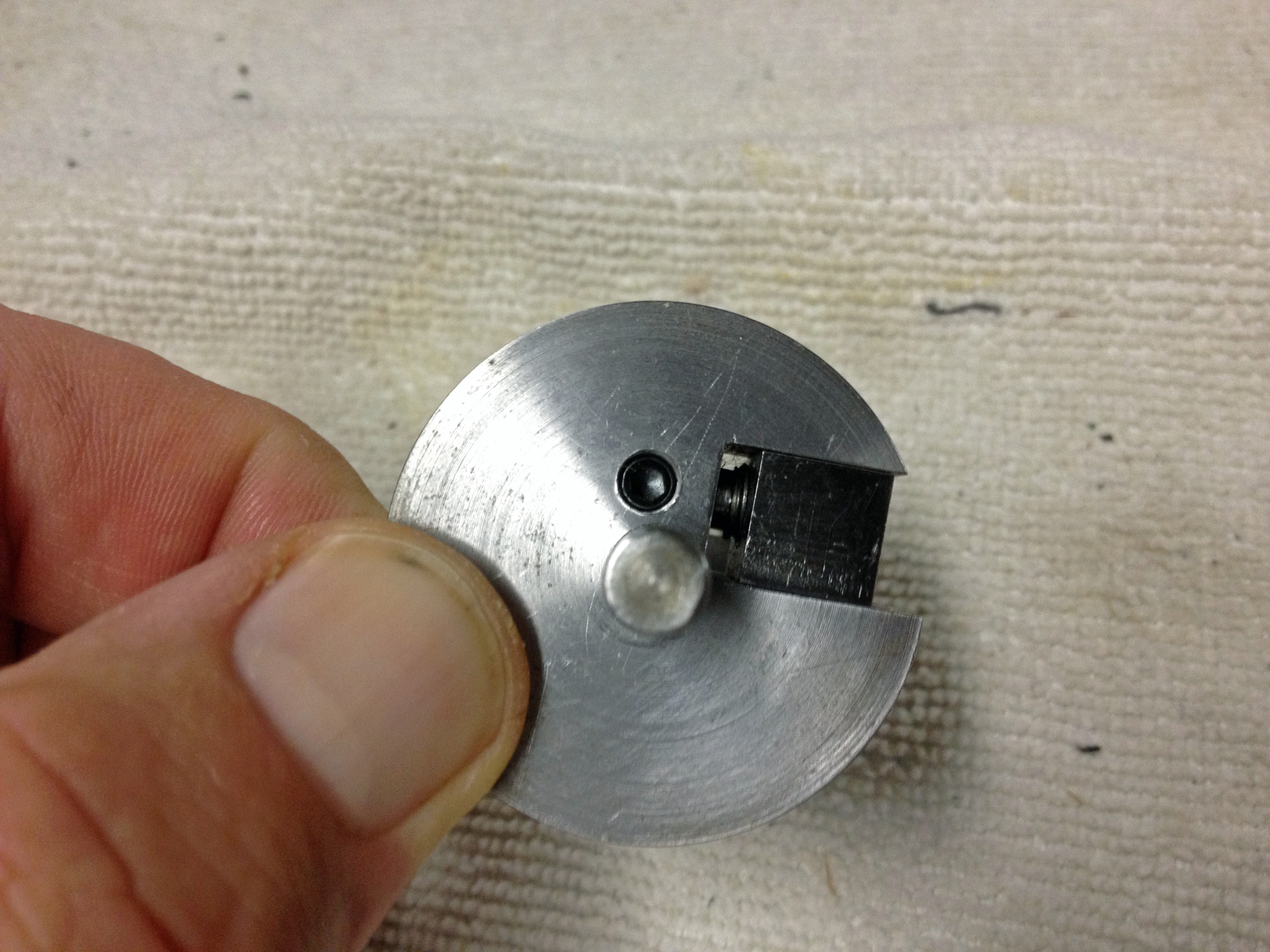
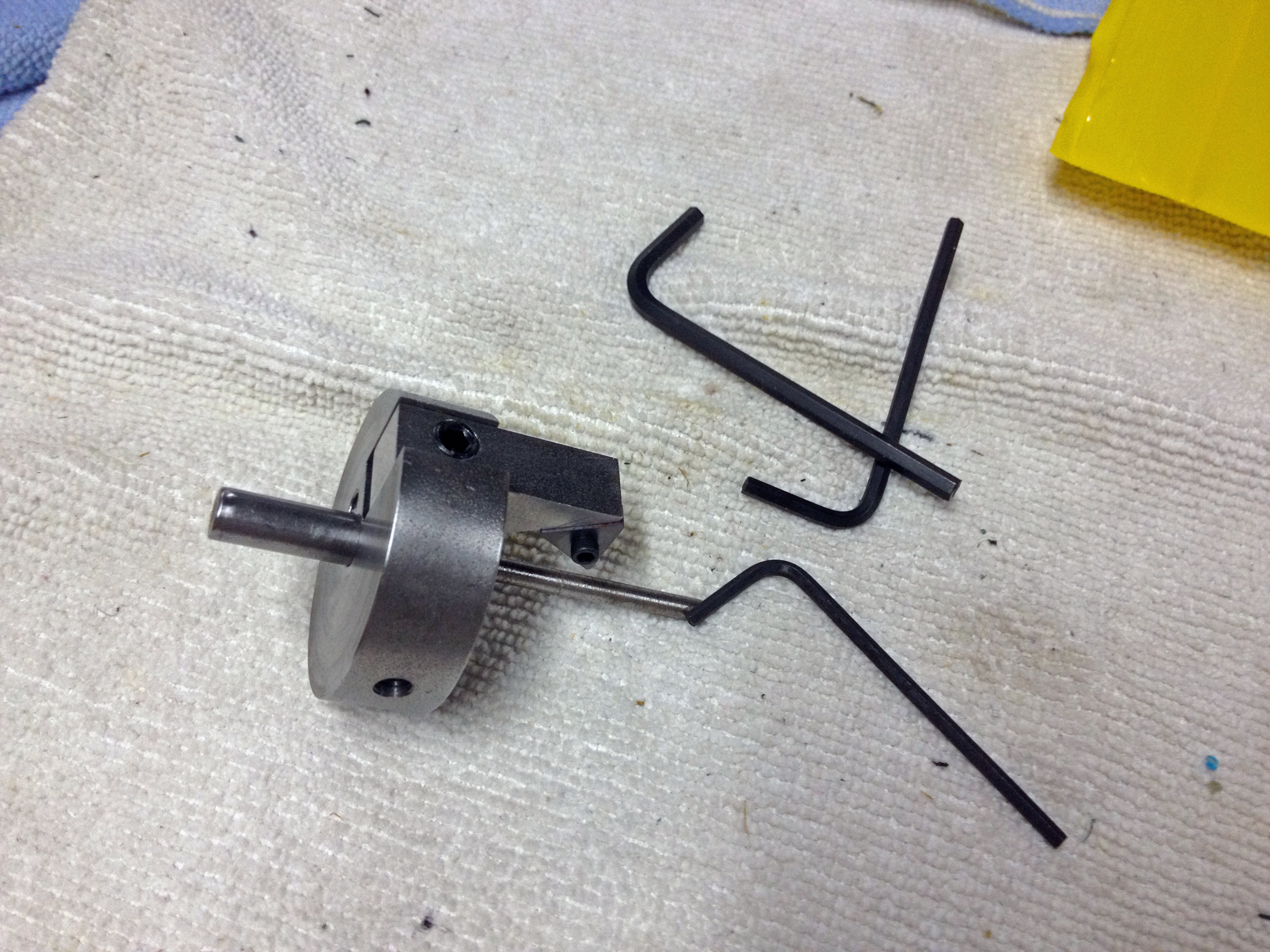
Several weeks ago I obtained a tenon turning tool from Pipe Maker’s Emporium (PME). I have been planning on writing my “review” of this tool since I mentioned it in the Big-Ben post but have put it off due to time and wanting to get better acquainted with the tool. Well, I think I am ready so here we go!
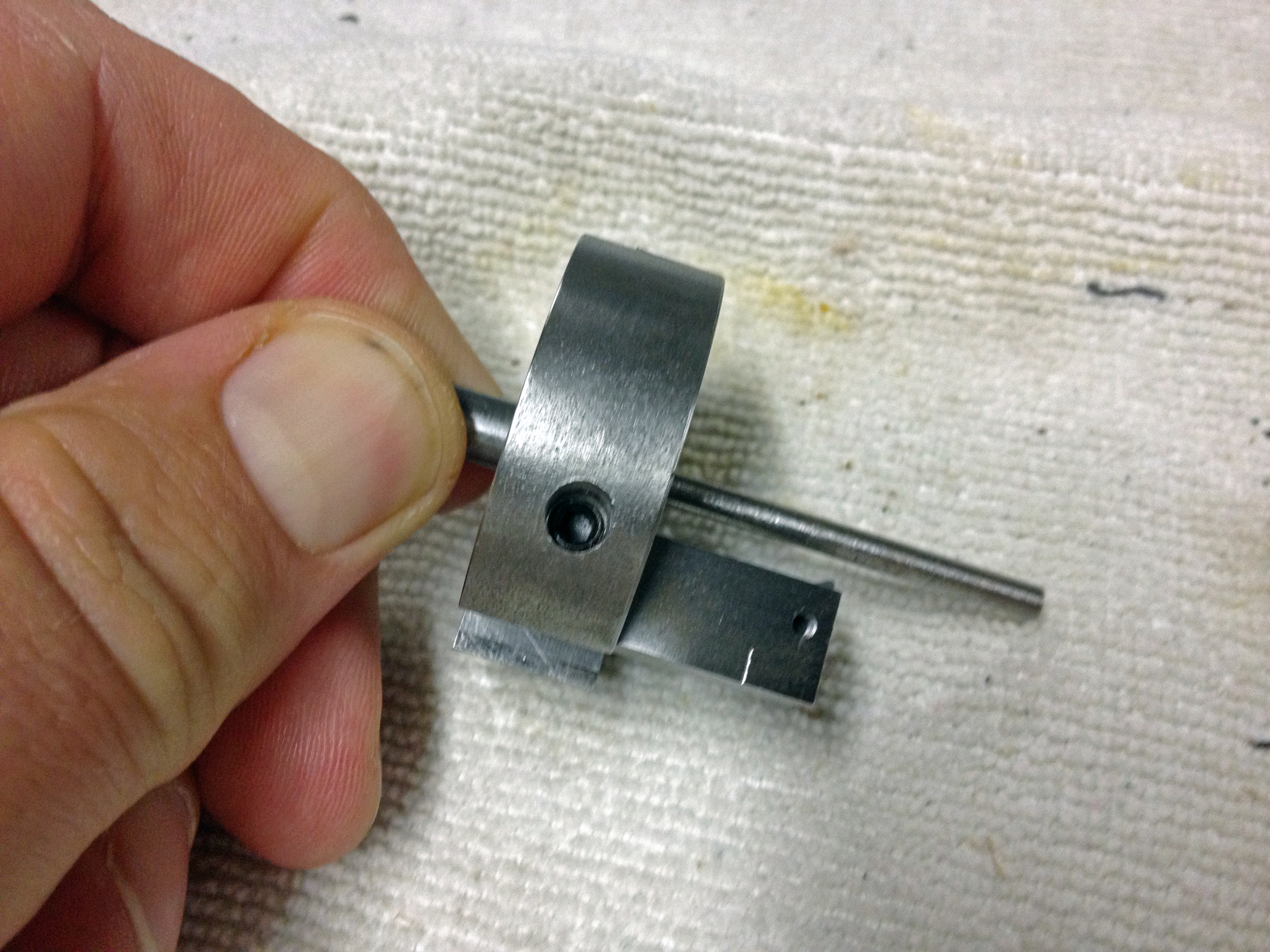
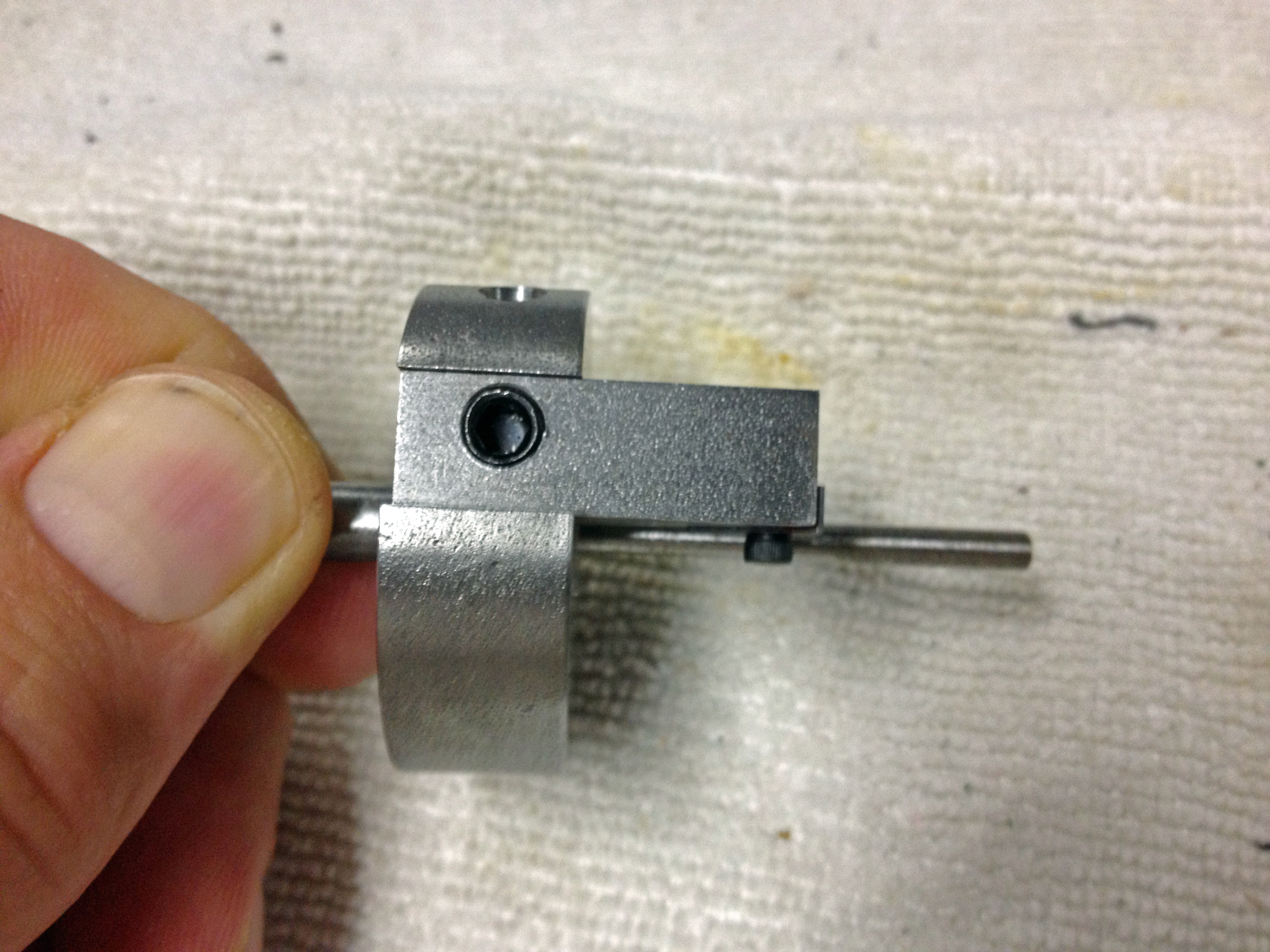
IMG_7086_edited-1 IMG_7087_edited-1 IMG_7088_edited-1 IMG_7089_edited-1 IMG_7090_edited-1

The tool can be purchased from PME here and is, essentially, the same tool that PIMO sells and Steve has and uses. There is at least two differences that I can see: An extra adjusting screw )which is rarely used) and the price of the PME tool is about $9 less. (Having bought from both sources, I have a personal preference for PME: their S/H costs are a bit less and speed and service are better, again in my opinion; I have no affiliation with either company other than being a customer.) Both tools are used in the same way and they both have similar limitations on size. They also both lack precision measurements/adjustment mark, requiring one to go slowly and check often the tenon size so as to not over-turn it.

Steve describes the use and adjustment very well in an article he wrote nut I can’t find at the moment. He also compared the PME and PIMO tools in this article so I won’t go into a lof ground he has already covered, but try to add my impression of the PME tool,

I found the tool relatively easy to use overall. I experimented on a few old stems before re-stemming Big-Ben and have since turned several other stems for different stummels and corn cob pipes. I have had mostly good results but there have been a few massive failures, too.

As Steve has pointed out, the best use of this tool is gotten by turning the tenon very close to size and then finishing the job by hand sanding. I have also learned that the tool not only has no markings to gauge the amount of material to be removed by a single adjustment (you have to look at the cutter head relative to the tenon) but one cannot gauge the amount consistently by using a “formula” such as 1/4 turn of the adjusting screw has been giving me .5′ decrease in diameter so each 1/4 turn will continue to do so – I have over-turned two stems using that type of “formula”!

PME doesn’t sell the right size drill bit for the guide pin (a size #30 or .128″) so you will have to obtain it from another source (PIMO does sell it for $2.50) or make due with another size. At first I used an 1/8″ bit on the vulcanite stems which, while tight, worked okay. However, I had to move up to a 5/32″ bit for Lucite/acrylic and be careful to not get it out of round. I have since ordered the .128″ bit from PIMO and am happy with that.

The extra set screw on the PME tool is really not used except for turning multiple tenons of the same style to the same size: For instance if you needed to slightly turn several tenons for corn cob pipes you would use it. This second locking screw just really sets the cutter head to zero movement but the main locking screw is the one that is generally used since you will mostly be taking more and more material off of a tenon.

I find that using the tool at different speeds helps to get a nice, smooth tenon. I like to start out fairly slow and make my first pass, then increase the speed on subsequent passes. The final passes I will be at full speed and will slowly rotate the stem as I make the pass up then back down the tenon. Generally, this gives me a nice smooth tenon, without a lot of turning marks/lines.

As I mentioned above, the adjustments are not always equal so one has to watch carefully how much the cutter head advances with each movement of the adjusting screw. And in order to get a good, even result it is very important to lock the locking screw with each adjustment. I have found that my digital micrometer (bought very cheaply from Harbour Freight) is a good help in getting the size of the tenon down to where it needs to be. But due to the lack of real precision with the tool, I don’t think one can rely solely on the micrometer; when it is getting close I begin checking the tenon to mortise fit after every pass.

My analysis, then, would be something like this: If you wish to re-stem pipes you have to have one of these toolsI think that either the PME or PIMO tool would work as well as the other and which one you should purchase is simply a matter of preference or economics; the PME is cheaper but if you are ordering from one company or the other buying it with your order will save you on S/H costs. My personal recommendation would be (if you don’t already have some stems to experiment with) buy the tool from PME and order a dozen or two of whatever Carolyn has on sale that week to practice on (usually there are 2-3 styles of vulcanite stems on special for $4-$5) and maybe a couple of closeout acrylic ones, too, to get a feel for the difference (which is big!) in the two materials. The learning curve isn’t huge but it is there. But, if you are like me, learning a new skill to add to your arsenal of restoring these wonderful old pieces is a lot if fun and a big part of the draw of the hobby.

So what are you waiting for? Place your order and step into the next phase of the art of restoration.
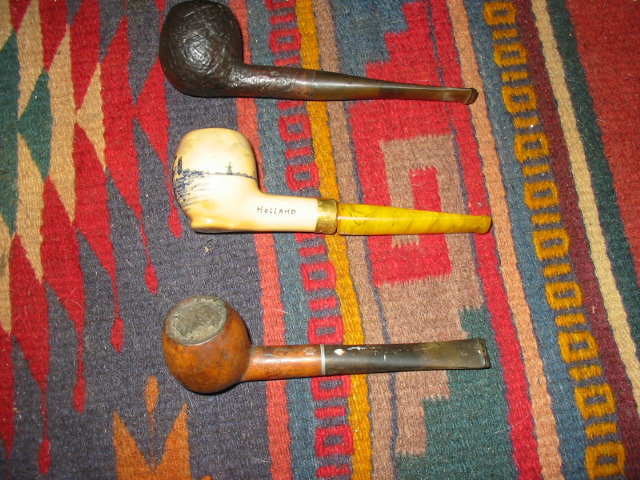
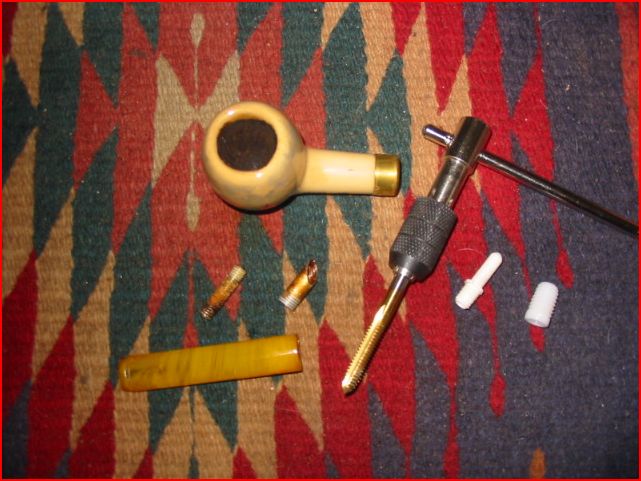
GoedeWaagen Ceramic Double-walled Pipe Restemmed


Blog by Steve Laug

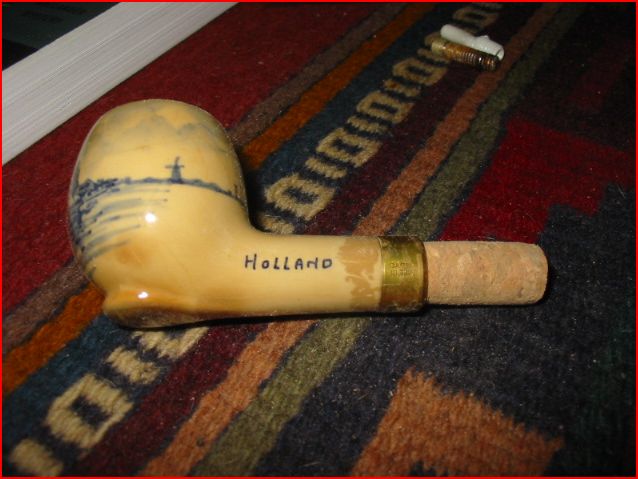
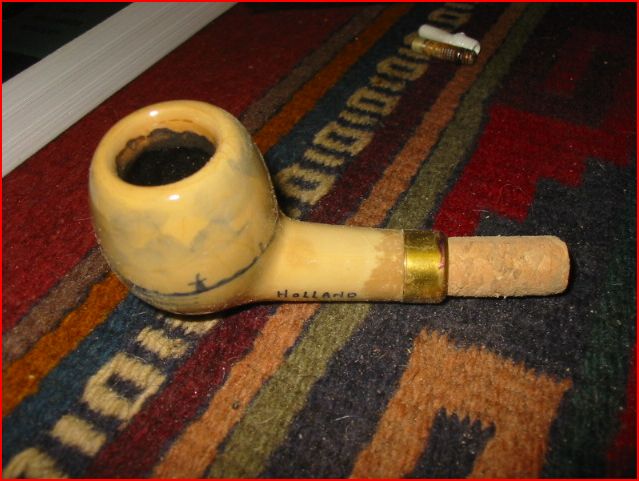
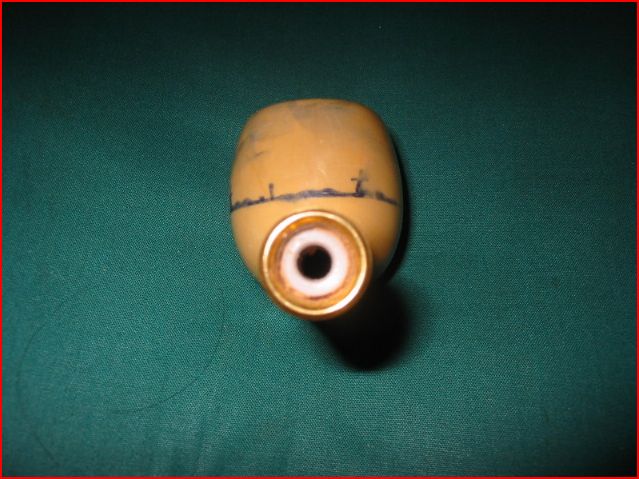
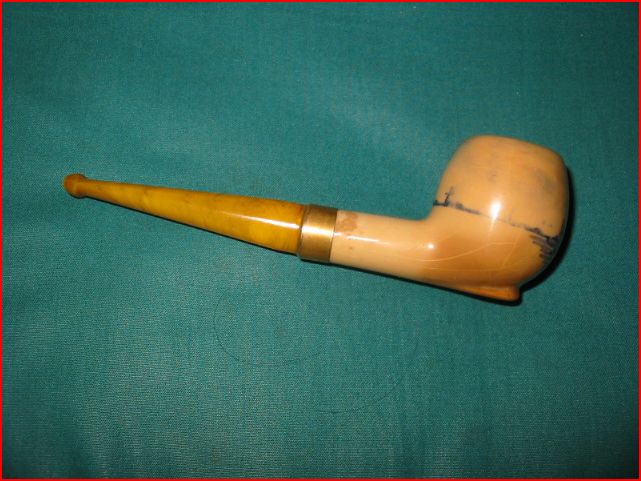
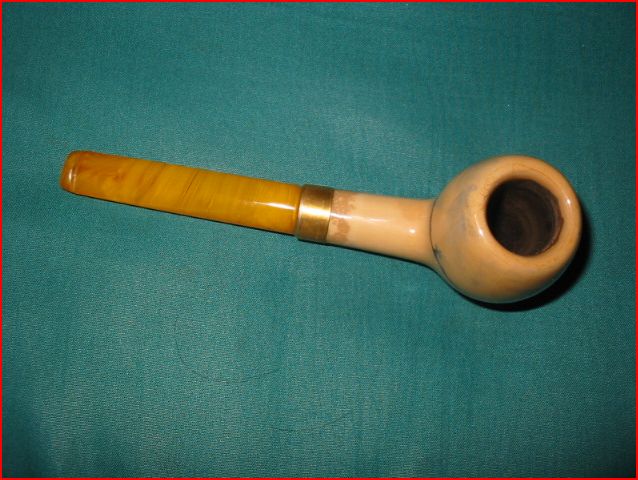
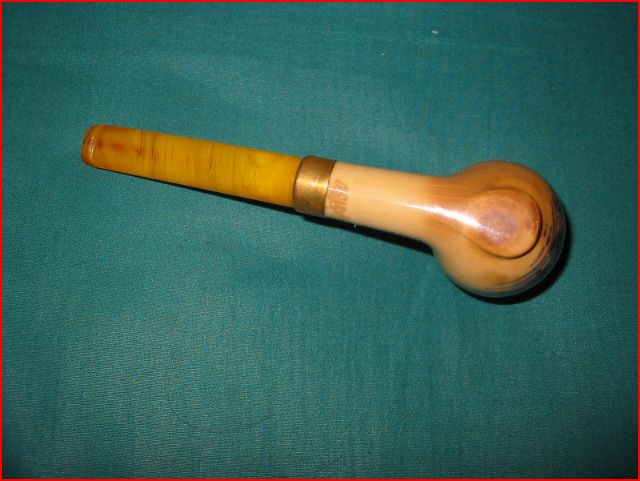
I picked this old ceramic double-walled pipe up at an antique shop. The thing that attracted me to it was the amber stem. Or at least it appeared to be amber. The stem was taped to the shank with scotch tape and the bowl was badly caked with thick tars and carbon. The outside of the bowl was spotty with grime and grease. There were fingerprints all over the grime. The stem was blackened on the inside and showed stain through the airway and button. The bowl was cream coloured porcelain under the grime and had a Delft blue Dutch windmill on the front and smaller ones on the horizon around the bowl. The bottom edge of the bowl and part way up the sides was had blue lines and shadows drawn in to look like a canal with the windmills on the other side of the water. Behind and above the windmills clouds and sky had been stylized into the scene. The entirety had been glazed with a clear glaze over the pipe. With a little work this might very well turn out to be a beautiful pipe.

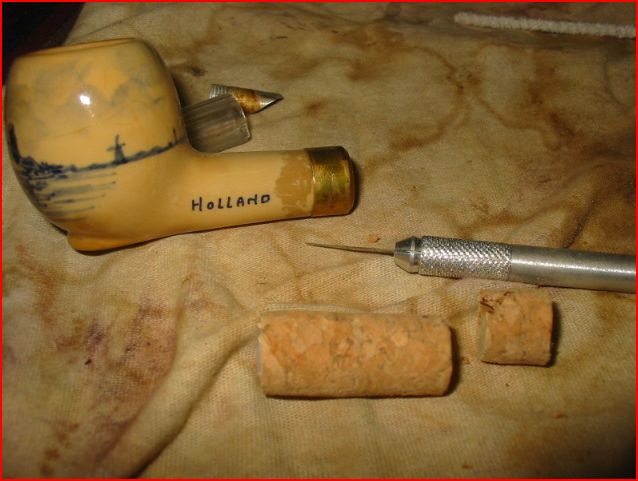
When I brought it home to work on it there was quite a bit to do to clean it up. I removed the scotch tape from the stem and shank and the stem dropped out of the shank on the work table. It had a metal screw tenon that was clogged and badly bent. I was able to remove the screw tenon from the stem with a pair of needle nose pliers. It was threaded into the stem so with a little effort I was able to unscrew it. The stem was indeed amber and as the screw tenon came out a small flake of amber came with it. I cleaned the airway on the stem with isopropyl alcohol, pipe cleaners and a shank brush. I scrubbed the button and slot to remove the blackening that was built up on it. I then removed the scotch tape from the shank using some acetone to soften the glue. It came off easily. The gold coloured band is stamped GoedeWaagen Made in Holland. I cleaned the band and polished it. I used a dental pick to remove the broken cork that was inside the shank. It was glued it and it was brittle. It came away with a bit of work. I used cotton swabs to clean out the shank. In the bottom of the shank was a metal piece that originally had been on the end of the cork insert and slid below the inner bowl of the double-walled pipe. I scrubbed the bowl with hot water and repeatedly ran water through it to loosen the buildup of tars inside between the walls. I scrubbed the outside of the bowl while I was washing it and was able to remove all of the grim. The remaining patina and coloration of the bowl is similar to a meer.

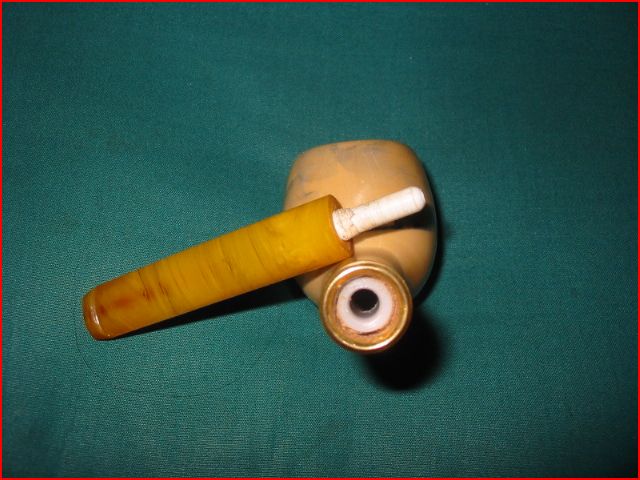
I decided to replace the original tenon with a Delrin pushpull tenon. That sound like an easy swap but it was not that simple. The tenon that was in the pipe was very small and the threads were fine. The new Delrin tenon was ¼ inch in diameter and was a good open draw. I drilled the amber very carefully with 3/16 inch drill bit to remove the threads and then a ¼ inch drill bit to open it up. I used a cordless drill that I adjusted to a slow speed and gently opened up the amber to ¼ inch. I took it back to the work table and used a tap to thread the newly drilled opening. Once that was clean and open I screwed in the new tenon and the stem was good to go. I cleaned up the tenon and stem junction and sanded it smooth so that the fit was smooth and transitionless.

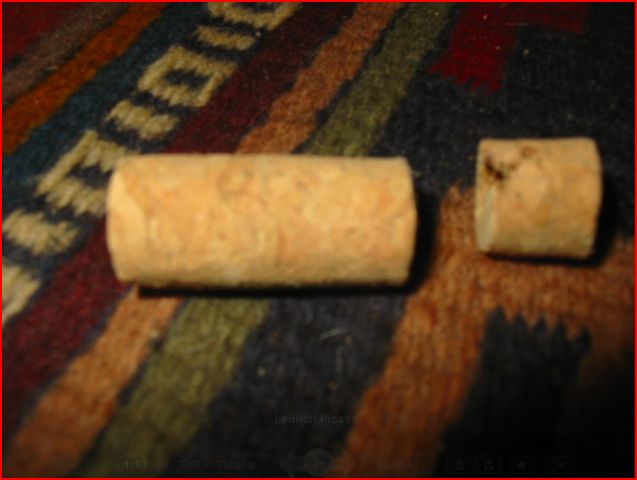
Then it was time to figure out how to work on the mortise. I did a bit of searching to see if I could find what the original mortise looked like when it was new. There was nothing that I could find to make the job a bit easier. So I began to work through some options. I had a wine cork that I kept here so I thought that might be a good base to begin with. I drilled the cork with a ¼ inch drill bit so that the airway through it would be open and easy to work with.

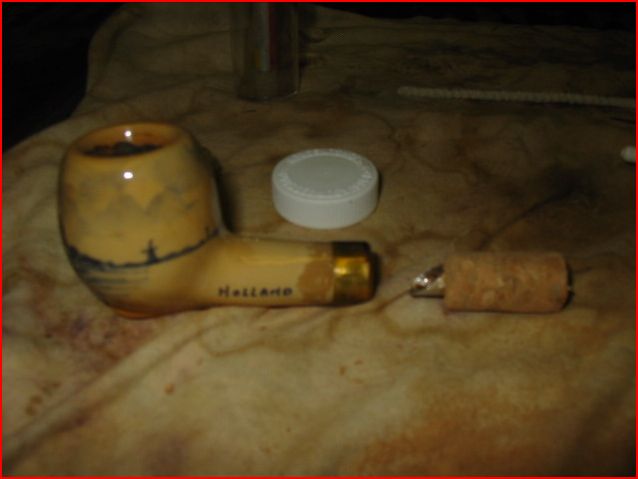
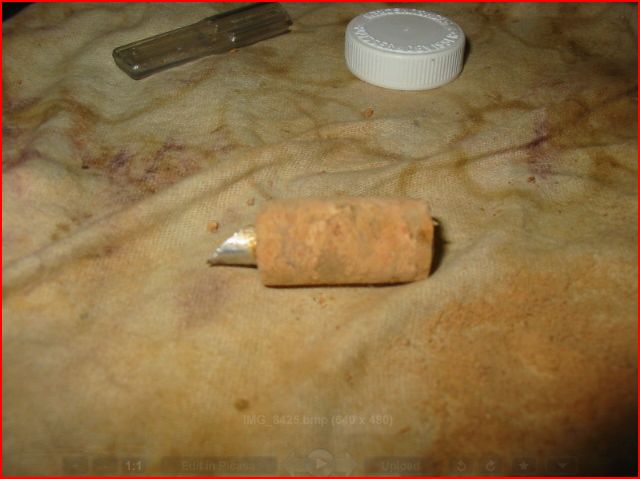
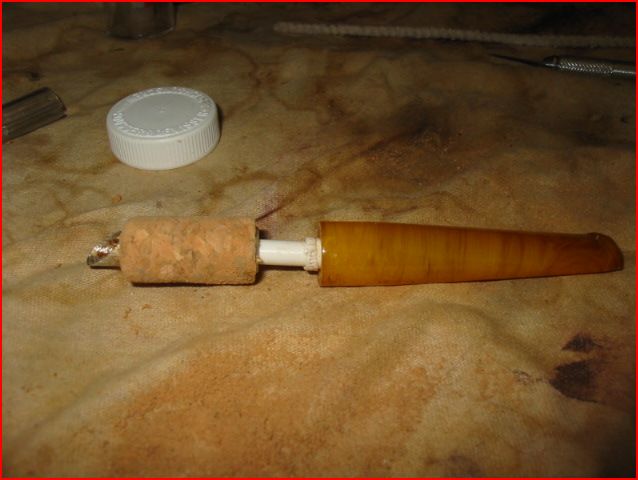
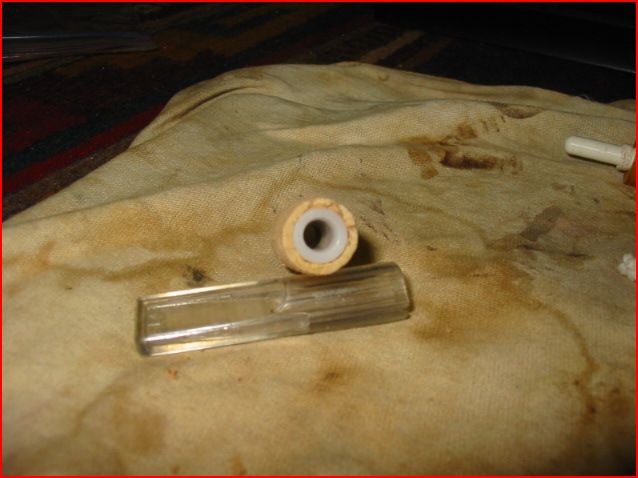
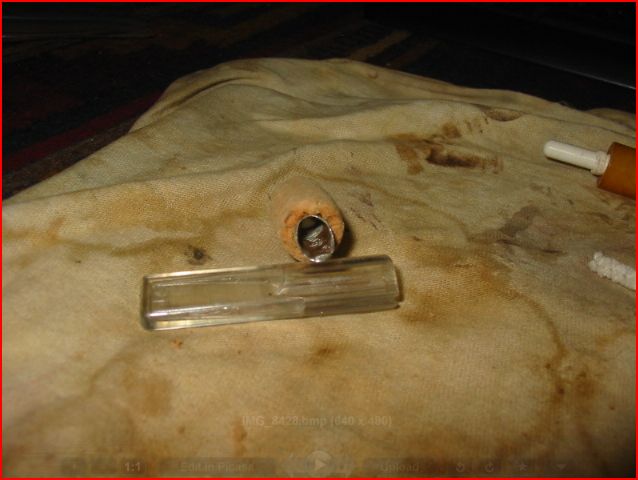
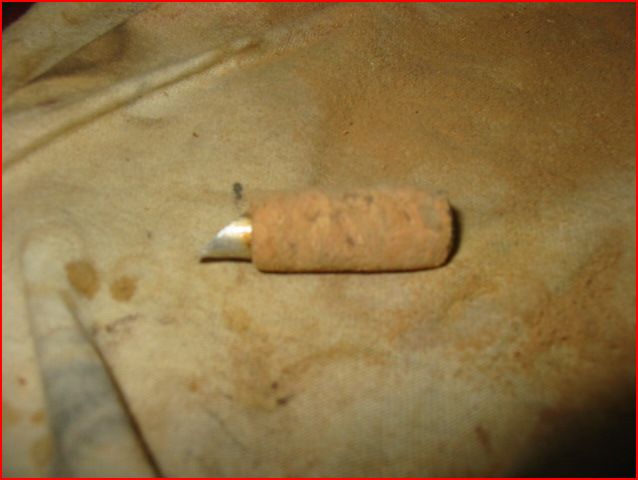
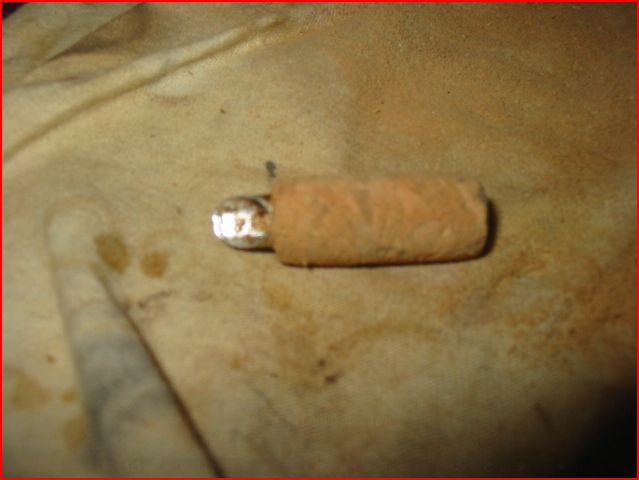
I screwed in the Delrin mortis portion of the push pull tenon on one end of the cork and threaded in the metal tip in the other end. I then took my Dremel to the cork to reduce the size of the cork. I removed the outside of the cork with the sanding drum until it was as close as I could get with the Dremel. I then sanded the cork with a folded piece of emery cloth until it was almost perfect. I unscrewed the metal tip and measured the depth of the shank so that the cork plus the tip would end up with the tip just below the air hole in the bottom of the bowl. I cut the cork with an art knife that was sharp until it was the correct length. Then I used my sanding board to level the cork so that when the metal tip was in it would sit smoothly. It took a bit of sanding but once it was done I reinserted the metal tip.

With the cork the right length and ready to insert I needed to fine tune the fit. I decided to stabilize the cork around the metal tip and the Delrin insert as I did not want it to break when I inserted in the shank. I used super glue to stabilize the cork. I then sanded the cork by hand with the folded emery paper until it was round and smooth. I wanted it to be a tight pressure fit in the shank. From what I could read the cork insert was put in and left until the pipe smoker decided to remove it to clean it. Then a new cork would be used to replace it. I decided to keep that tradition. 

Once the cork fit correctly, I greased it with some Vaseline jelly and fit it in the shank. I was able to easily press it in place. When I was level with the end of the shank I use a ball point pen to set it a bit deeper to receive the tenon with a slight bevel.

I pushed in the stem and aligned it and the fit was absolutely perfect! I polished the bowl and the stem with a quick buff of White Diamond and then gave the entirety several coats of carnauba wax to protect it.