Tag Archives: Answers to questions on pipe cleaning

ANSWERS TO QUESTIONS: What differentiates cleaning a pipe and restoring it?


Blog by Steve Laug

After cleaning, refurbishing and restoring pipes for more years than I care to remember I continue to receive emails with questions that readers have about the restoration process and other more philosophical questions.
The next two questions came from a reader prompted this blog. I received an email through the blog from Nathan with these questions. I thought that both the questions and my responses make for a good ANSWERS TO QUESTIONS BLOG. Enjoy the read.

Nathan wrote as follows: Hello! I have been refinishing old pipes for about 2 years now. I have sold a few on eBay, but I mostly do it because I enjoy the hobby, history, and giving them as gifts or selling them to friends. However, I really do want to be able to start selling pipes on eBay at a more regular pace. My big questions are:

  1. When do you feel like a pipe is not only “cleaned and ready to smoke”, but “restored”? I know my skill, and I’m confident in my ability to clean, sanitize, and polish a bowl as well as deoxidize, sand, and polish stems. I can fix minor breaks in stems to a point that it’s *almost* unnoticeable. What are your defining points that cross the barrier of “cleaned and ready to smoke” and “restored”?
  2. At what point do you consider the changes you’ve made to a pipe too drastic to consider “restored”? Maybe an example will help clarify the question: I very recently came upon a lot of pipes and half of them are perfectly within my skill set to fix, but the other half have damaged or broken stems past the point that I know how to restore personally. But these stems are broken in half, with one half of the stem missing. If I bought an entirely new stem and sold it, would you still consider it “restored”, or has the original integrity been altered too much? If so, how would I label such a pipe if I were to sell it?

I wrote the following in response to Nathan’s questions:

My opening comments were simply for my own information.

Where did you learn the art of restoration? Why are you doing it?

Then I responded to each question in turn.

  1. When do you feel like a pipe is not only “cleaned and ready to smoke”, but “restored”?

I want the pipe to be clean and ready to smoke and by and large for me this means free of ghosts of the previous smokers. I want it to smell clean and want the internals clean enough that once they are heated that they don’t bleed old tobacco juices. I want to be able to put a pipe cleaner in the shank and have it come out clean. I want the bowl to be free of previous debris and for me to be reamed clean so that I can check out the walls for heat fissures.  For me the two – clean and restored are the same line! Hope that helps.

  1. At what point do you consider the changes you’ve made to a pipe too drastic to consider “restored”?

This is a tough one and for some the definition is no definitive change has been made to the pipe – no topping, no restaining, no restemming and no repairs to tooth damage. Too me that is too stringent. I will gently top a bowl and aim to get it as close to the day it came out of the factory as i can without changing to the stain or the profile. I will restain but always aim to match the original stains as much as possible. I replace stems and just not when I sell them that the stem is a replacement. Of course if I can find a matching original stem that is always preferred. I haunt sales, flea markets etc to scavenge as many stems as I can. I only do minimal repairs to a stem. To me if half is missing it will never be as good as the original as the repairs are always less resilient that the original rubber. If the stamping has been damaged in my work I note that as well. If I rusticate the bowl then I do not consider it restored… it is now my piece that I have altered. I have a hard time justifying leaving the stamping when I change a pipe to this degree. I always note my changes to a pipe when I sell it. I note flaws and I note repairs.

Nathan responded with two more questions:

  1. So to be clear, unless you’re affecting the briar in a drastic way, you consider it to be restored to its original integrity?

For me if I make any changes to the original design of the pipe – the shape, size, style, finish etc. that deviate from the original makers design the pipe has lost it original integrity.

  1. Also, and this is more practical, how do you remove the smells? I have tried soaking in in 99% isopropyl alcohol and cotton balls, but I can never seem to fully remove that old tobacco smell.

There are different ways of removing the smells depending on what they are. I have written a blog in my Q&A series on that. Here is the link: (https://rebornpipes.com/2017/12/19/answers-to-questions-how-do-i-de-ghost-a-pipe/).
 

ANSWERS TO QUESTIONS: What is the process for cleaning my pipe?


Blog by Steve Laug

After cleaning, refurbishing and restoring pipes for more years than I care to remember a question from a friend prompted this blog. It makes sense to put this blog together as a good pipe cleaning regimen will prevent a lot of problems that neglect bring to a pipe. Those issues range from a sour and stinky pipe to a cracked bowl or shank. In fact the majority of issues that I deal with on an almost daily basis come from poor maintenance of a pipe. The first cardinal rule of pipe cleaning is very simple and if you remember nothing else from this blog remember this: DO NOT TAKE THE PIPE APART WHILE IT IS WARM/HOT. I have seen too many loose tenons, broken tenons, and cracked shanks because this simple rule was ignored. It is not a suggestion! It is a warning. In terms of the question in the title of the blog, I thought I would break the steps down into the two broad categories that characterizes my own cleaning and then spell out the specifics under the two broad headings.

After each smoke – These steps are my own post smoke regimen that I try to religiously follow after each smoke. I find that for me it generally keeps my pipe smoking sweet and cool and minimizes the problems that I have seen in my refurbishing work.

  • Immediately upon finishing a bowl tap out the ash on the heel of your hand or use the pick end of the tamper to empty the bowl.
  • Scrape the edge of the tamper around the inside of the bowl to remove most of the debris left behind.
  • Run one or more pipe cleaners through the airway in the stem and shank to remove the moisture and oils from those areas. If the pipe cleaner does not go through to the bowl wiggle and turn it to see if it will slide in. If not just clean the stem for now. Once the pipe cools you can remove the stem and do the shank.
  • Work the pipe cleaner into the edges of the slot in the button to remove any buildup in those spots. You can wet the pipe cleaner with a bit of saliva if you would like to help with debris removal.
  • Fold the used pipe cleaner in half and work it around the inside of the bowl to remove remaining debris from the walls and bottom of the bowl. Tap out the bowl on the heel of your hand to remove any loose tobacco bits and then blow through the airway to displace any debris in the airway and bowl.
  • Stand the pipe in a rack or pipe rest – bowl down to let the pipe air dry. I have found that often an overnight rest for the pipe is enough. Others swear that you should let it set for several days and even up to a week to let it rest. I have not found that to be an issue. Sometimes I will leave a pipe cleaner in the stem and shank to let it absorb any residual moisture.

That is the short and long of a post smoke cleanup. You can see that it is not a long process or one that needs to be avoided. It is simple and easily becomes a part of the smoking process for your pipe once you build it into your routine.

Weekly – Once a week or at least every other week I take the pipes I have smoked during that week to my work table and do a more thorough cleaning. The more thorough cleaning keeps the pipe operating at its full potential and helps to deliver a clean tobacco taste with each smoke.

  • Spread out a cloth or a newspaper to keep the table top or work table clean as it will minimize the distress of your other half.
  • Carefully remove the stem so that I can clean out the mortise and shank. If it is tight and does not come out with a little pressure, put it in the freezer for about 10 minutes and that should loosen the stem and make it easy to remove.
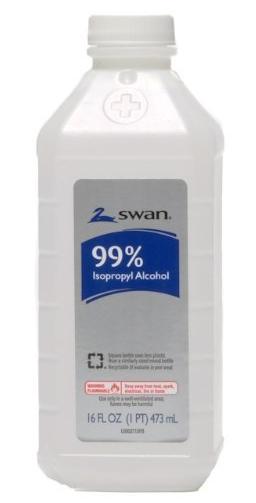
  • Scrub down the mortise area with cotton swabs and 99% isopropyl alcohol to remove the tars and oils that collect there. I always use the highest % of alcohol I can find as it evaporates quickly leaving the interior of the pipe dry.
  • Clean out the airway to the bowl with pipe cleaners and alcohol to remove tars and oils that eventually accumulate and constrict the airway. Over time these build up and harden and reduce the draw of a pipe.
  • Lay the bowl aside to let the shank thoroughly dry before you reassemble the pipe. Usually a half hour is enough time to make sure all is dry. Moisture can swell the briar so letting the pipe dry keeps the fit of the tenon snug in the mortise.
  • Run pipe cleaners and isopropyl alcohol through the airway in the stem and work over the end of the tenon to remove any tar or oil that has built up there. Clean out the edges of the slot. You may need to use a tooth pick or dental pick to clean out these areas.
  • PLEASE NOTE – Neglecting the internals of your pipe can eventually lead to a sour tasting and bitter smoking pipe.
  • Check the cake in the bowl. I personally keep the cake in my bowls thin and I want them to be hard and clean. To allow the cake to form in that way you do not want to ream your pipe every week. The easiest method is to simply twist a paper towel into the bowl to knock off loose debris in the surface of the cake and smooth out the bowl sides. It also absorbs any liquid in the bowl.
  • Clean off the rim top with a little saliva on a cotton pad or paper towel to remove the natural oils that build up on the surface.
  • Once the bowl is finished, check to see if the shank is dry enough for an easy fit of the stem. It should be snug but not have to be forced.
  • Wipe down the exterior the cleaned bowl and stem with a paper towel lightly wetted with olive oil. I find that this preserves and protects the briar and the stem material. Do not use it in excess as many have said that it goes rancid – personally I have never had a problem with that so I continue to use it.
  • I buff it dry with a soft cloth to remove the excess oil and to give the pipe a shine.
  • Set the pipe upright in a rack and let it thoroughly dry out. Put a pipe cleaner in the stem to absorb any residual moisture. Repeat the process with the next pipe in your collection.

That summarizes the procedure that I use to clean my pipe and keep it smoking well. Hopefully the process gives you a sense of how to build your own. The key is to keep the pipe clean daily and the other cleanups will be less onerous. As always I am sure there as many views on this process as there are people who will read it. This is my own process and it works for me. How you do it is up to you. Until next time enjoy your pipe!


ANSWERS TO QUESTIONS: What alcohol do you use to clean pipes and why


Blog by Steve Laug

I decided to write a few blogs to answer questions that different people have written or called me about. None of them will be long blogs; rather they will be short and to the point answers to the questions and some general rationale for why I do the things I do. The first of them addresses the question of what alcohol I use to clean the pipes that I work on. Some of the questions were direct and others were questioning my choice of alcohol. I chose to address both kinds of questions in this first blog. I will explain my choice and the reasons for that choice. My idea is not so much to justify my choices as to state them and explain the reasons for my choices. I don’t expect others to necessarily agree with me but I answer from my own best practices and preferences.

I have received so many private messages, emails or phone calls asking me about what kind of alcohol to use in cleaning pipes that I thought this would be a good place to start. The choice I have made is not based on ignorance. I have tried a lot of different alcohol products before settling in on the one that I now use all the time. I have read a lot of answers on the forums and different websites answering that same question. The answers are generally quite adamant in their claims to their preference of product. These answers have ranged from those who use Everclear to those who use Rum. The writers have argued their case for the alcohol of choice based on experience and preference. While some fit the gamut above there have been others who answered that they used their favorite Whiskeys, Bourbons and Scotches. I have even read of folks using moonshine and others using flavoured liqueurs to give their pipe a sweet taste. I have read those responses now for a long time and never bothered to answer or give my own opinion.

For me the answer is quite simple. I have chosen not to use an alcohol I would drink to clean out my pipe because I would rather drink it than waste it as a cleaning product. To me it has always seemed like a waste of a good drink to use it to clean my pipe. I am a bit of cheap skate so I hate to waste even a dram of something I enjoy on something it was not intended for. But beyond being cheap, I also don’t like cleaning my pipes with a product that has a high percentage of water in it. I want to use something that cleans and then evaporates without leaving behind moisture or a residual taste in either the stem or the shank of the pipe. When I smoke my pipe I do not want to taste some flavouring but I want to be able to taste various tobaccos that make up the blend that I am enjoying having to deal with the tastes of the product I cleaned the pipe with.

My decision was not made in a vacuum. I have tried each of the different alcohols I have mentioned above as well as various Pipe Sweeteners that have been sold over the years. After reading all of the much touted claims for Everclear I went to the US and purchased some to give it a try. It worked well and did leave a clean pipe, but it was not available here in Canada and I was not convinced that it was worth the effort to cross the border to purchase it. I tried a variety of high octane Rum and Whiskey (or Whisky) to clean out my pipes. It was okay but left the insides of the pipe wet for longer than I liked. It also did not do as good a job in my opinion as the Everclear did. I even tried some Maker’s Mark Bourbon because I had it here and happened to have been sipping it while working on pipes. I dipped a pipe cleaner in my glass even though it seemed like a real waste of good Bourbon and it did not work as well as the Everclear. It also left the internals wetter than I liked. I tried some Dewar’s Scotch and some other Scotch that I have enjoyed over the years and found the same issues. With each of the alcohols that I used above I had to follow up with a dry pipe cleaner to remove the moisture in the shank and airway. I was unsatisfied with the results and it seemed to make my work harder. I am not a big fan of flavoured liqueurs so I chose not to use them. They just seemed too sweet and sugary to my liking and I would have to clean out their taste to get a good smoke.  

There had to be something that would work as well as the Everclear, had a high percentage of alcohol versus water and was easy to obtain in Canada. I did some research online and talked with my pharmacist with regard to what I was looking for and the purposes I needed it. I have known her for quite a few years so I trust her recommendations. She suggested that I try using 99% isopropyl alcohol for thoroughly cleaning the pipes I was working on. It had a high percentage of alcohol so that it evaporated quickly and left behind no residue. It had a very low percentage of water, which meant it would not soak into the briar and leave behind moisture. It was flavourless, odorless and colourless so it would not leave behind a taste that would affect the tobacco. It sounded like the ticket. She said to make sure I purchased the 99% isopropyl, which was always stored behind the pharmacist’s counter, and not the one on the shelves which was 91%. With that recommendation, I figured it was worth a try. I picked up my first bottle of isopropyl and I have been using it ever since.

I have found that it works extremely well. I cleans deeply and evaporates quickly leaving behind no residue. I have used on pipes with extremely dirty mortises, shanks and airways and have been satisfied with its cleaning ability. I also use it in my retort and it boils quickly through the pipe and bowl without leaving behind any residue. It is a great universal cleaning agent and one I continually use for all the work that I do. That is what I use and what I recommend. Thanks for reading this.