Category Archives: Pipe Related Essays

Short and not so short essays on pipes and tobacciana

Pipes in the Eyes of Children


by Kenneth Lieblich

And now for something completely different. I thought I’d put together a quick piece on something a bit more jovial and lighthearted. My wife and I have been blessed with four children and, as they grow, I am constantly delighted and amused by their observations of the world around them. Over the past couple of years, two of my children have taken it upon themselves to draw pictures of pipes. The naïve art of any child is lovely, charming, and perhaps even beautiful because it simply manifests the reality of their world, by their own hand. In this case, my children are sharing something with me that they know has significance to me.

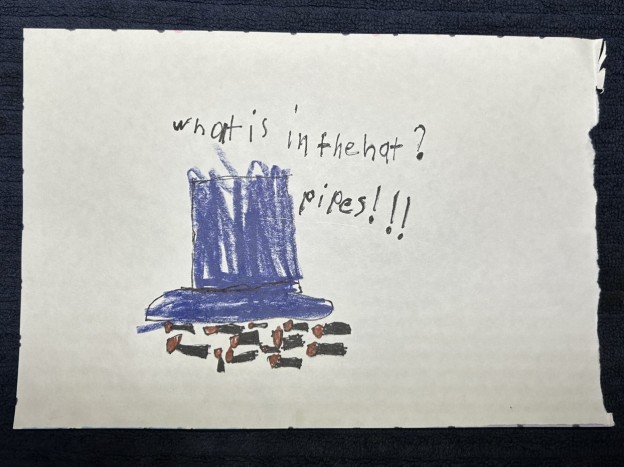
First, the drawing above is of a magician’s hat. However, instead of pulling a bunny rabbit out of the hat, pipes come out of the hat!

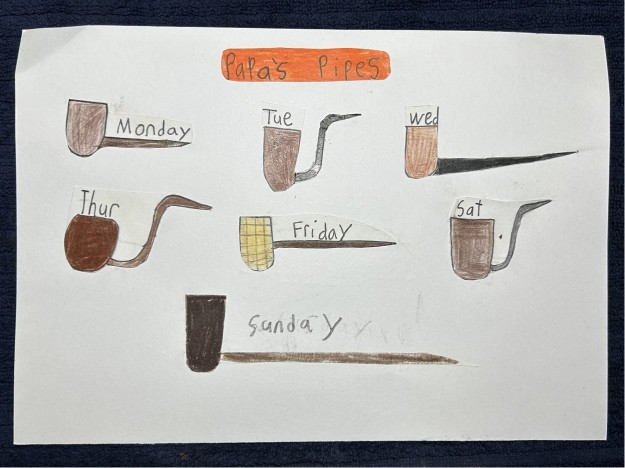
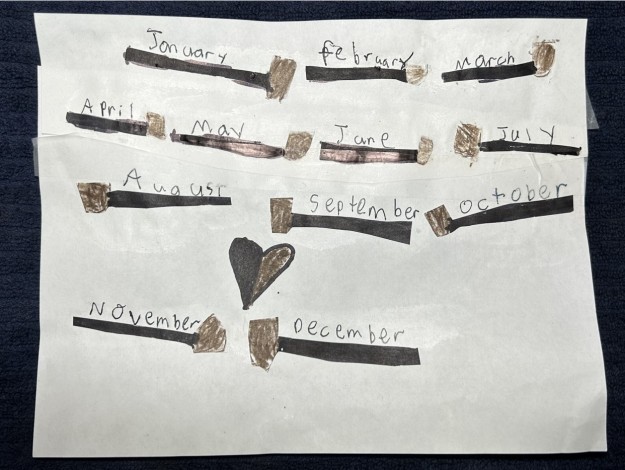
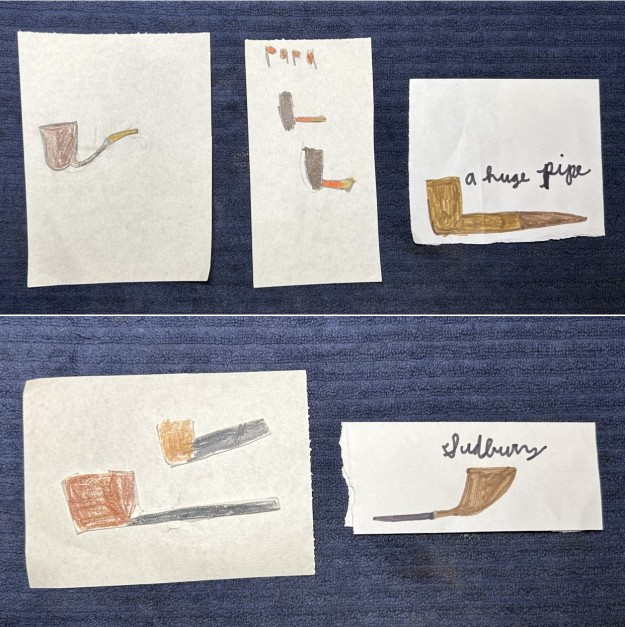
Next, here is a seven-day set of pipes;Followed, I suppose, by a twelve-month set of pipes:Then a few odds-and-ends:I hope you enjoyed the drawings! Please continue to follow me here on Steve’s website or email me directly at kenneth@knightsofthepipe.com. Thank you very much for reading and, as always, I welcome and encourage your comments.

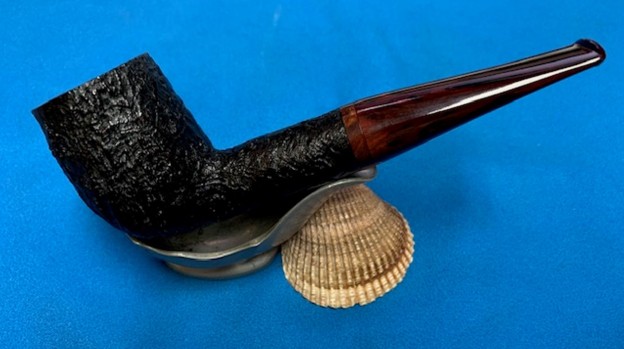
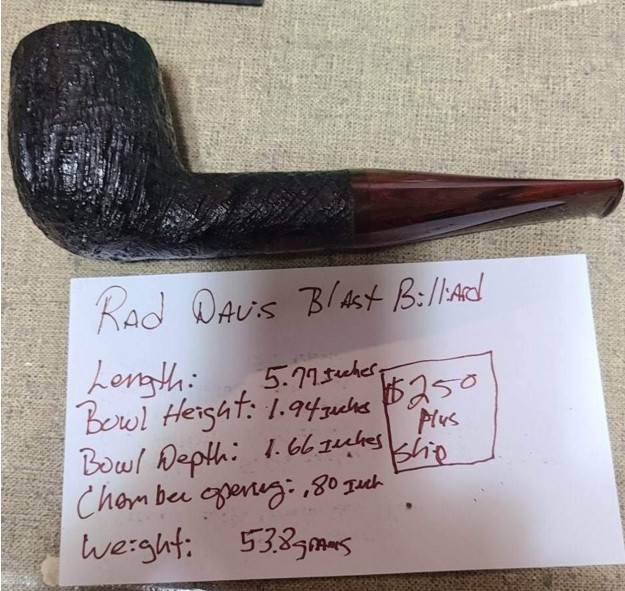
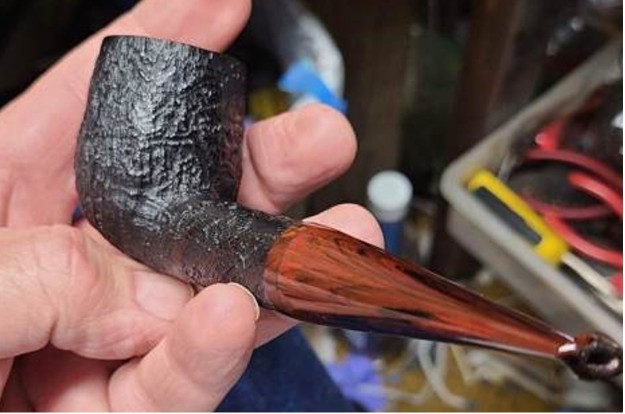
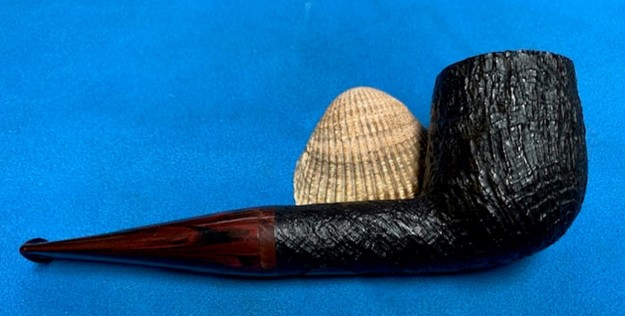
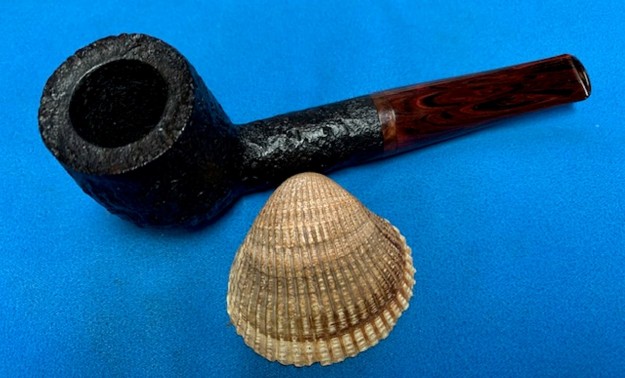
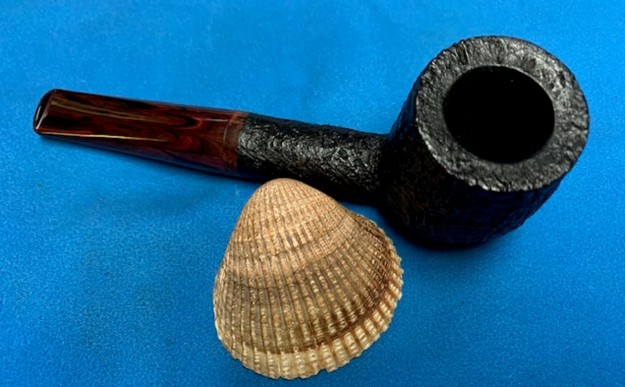
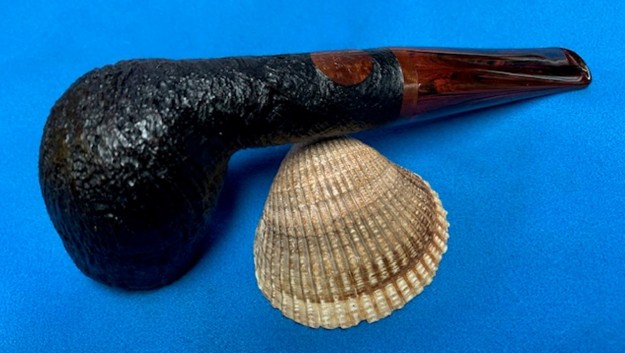
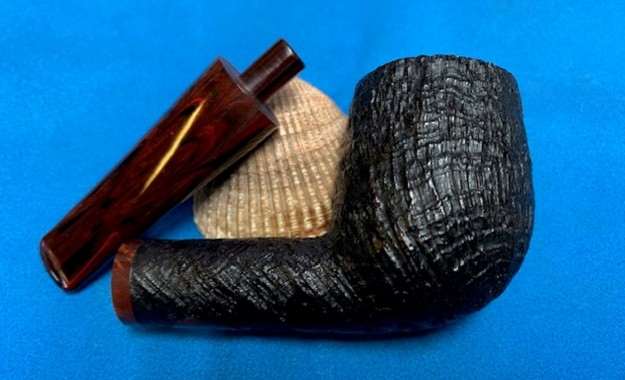
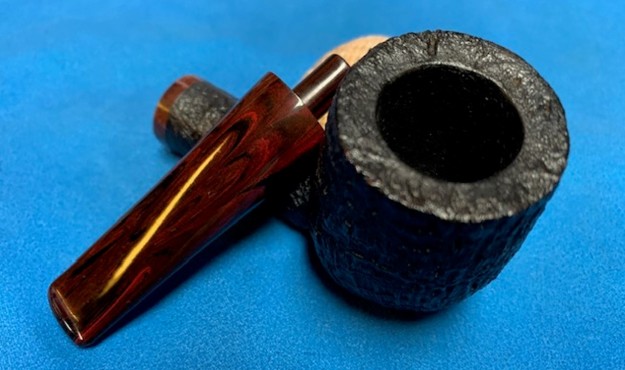
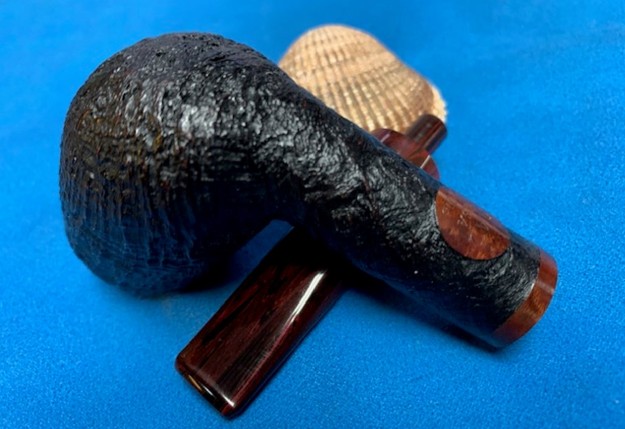
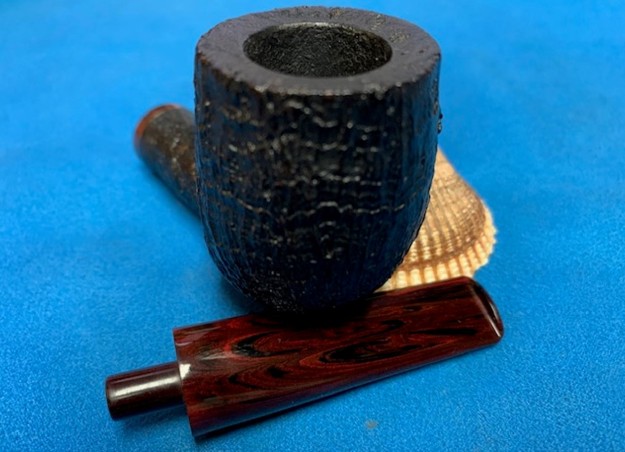
My next addition a Rad Davis LB Style Sandblast Billiard with a Cumberland Stem


Blog by Steve Laug

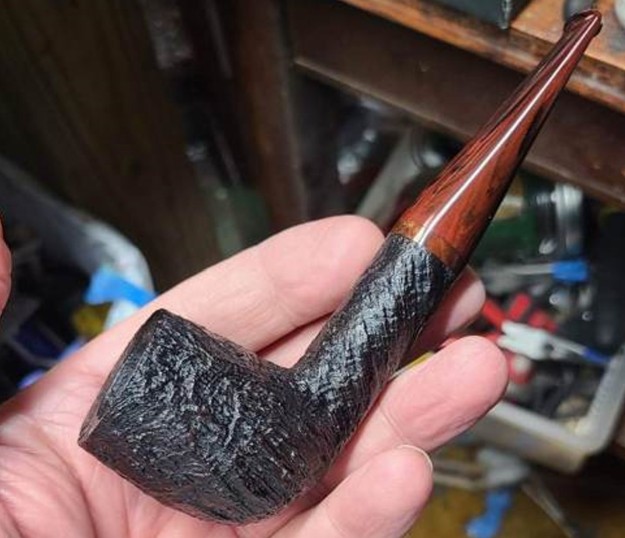
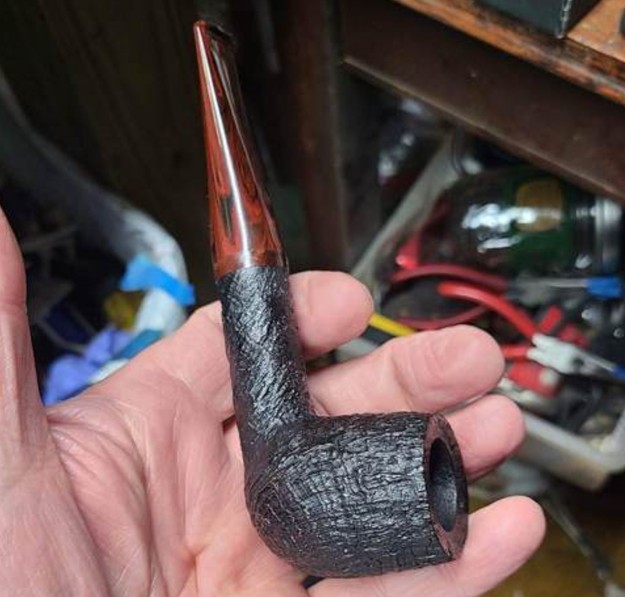
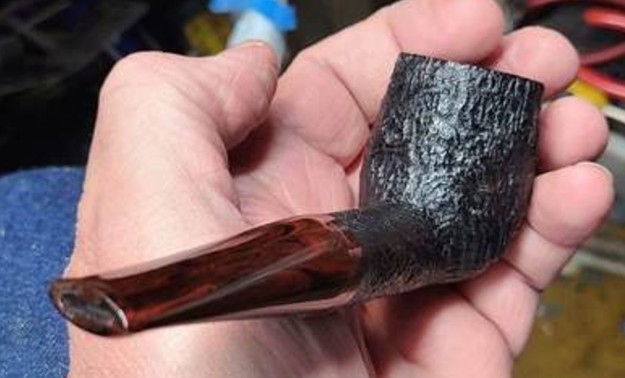
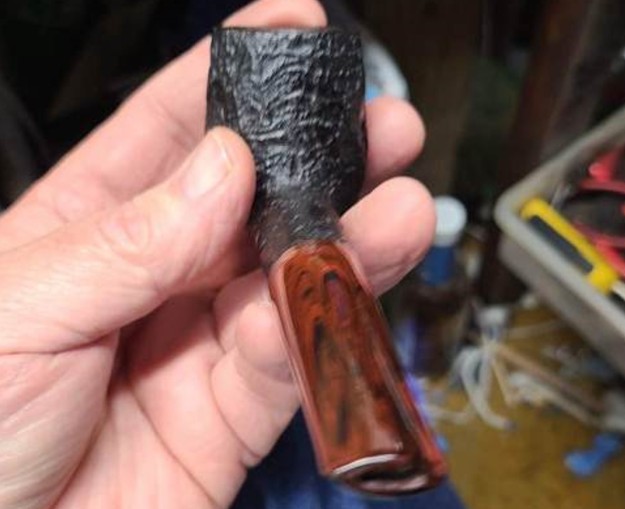
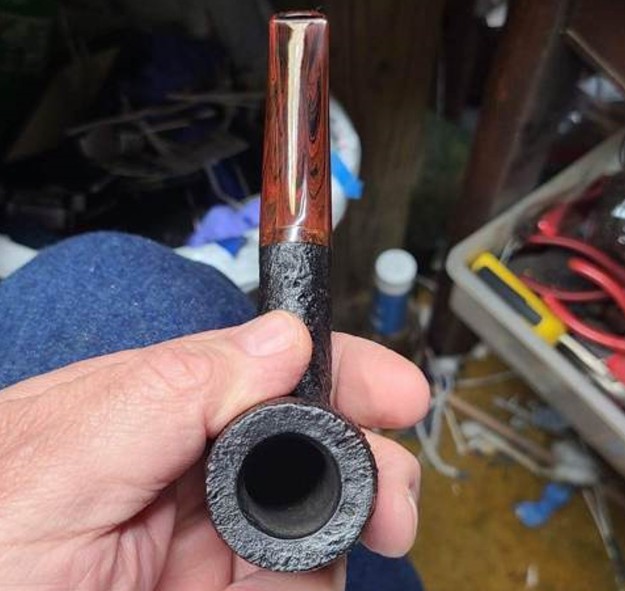
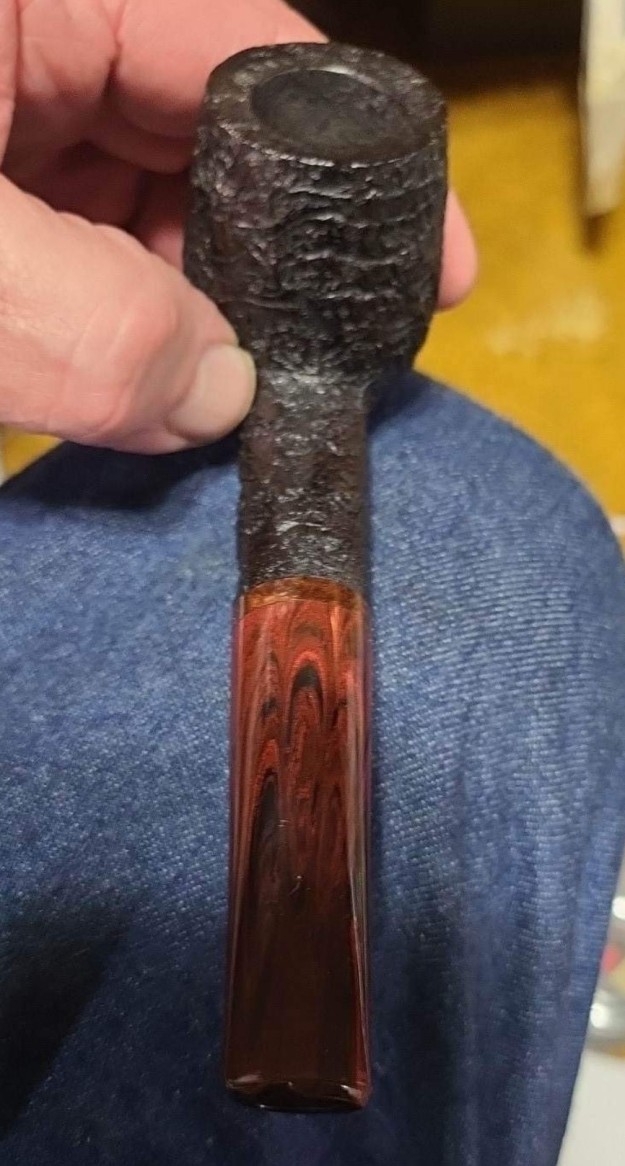
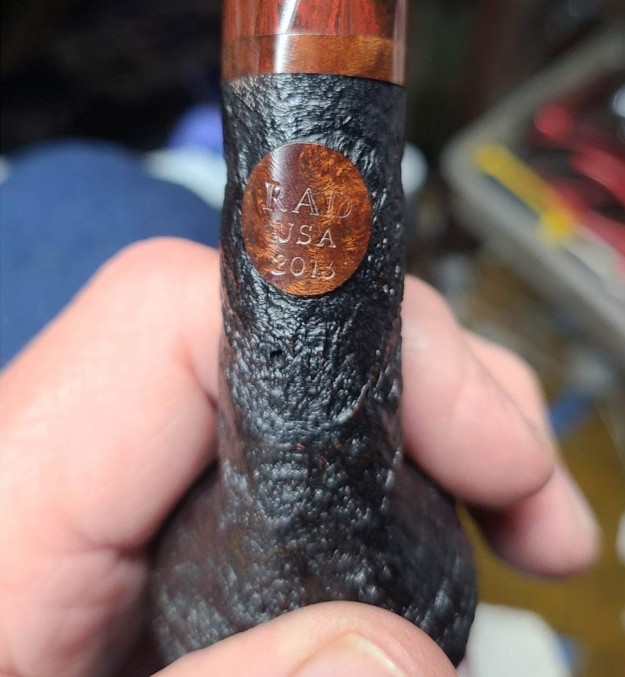
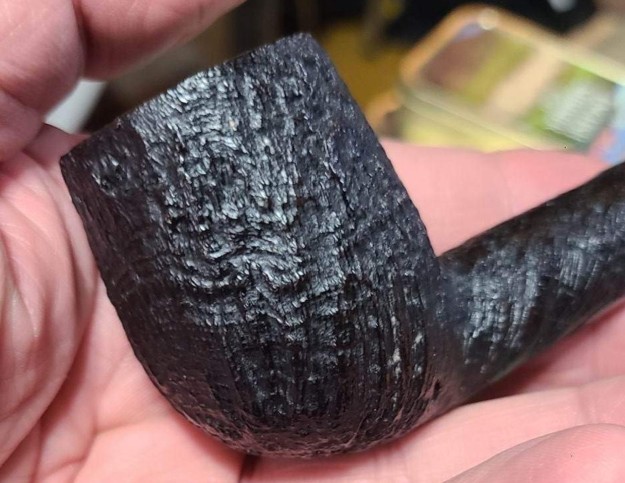
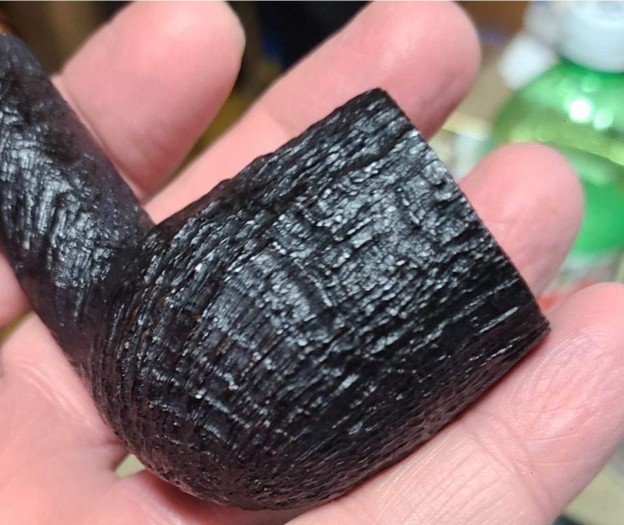
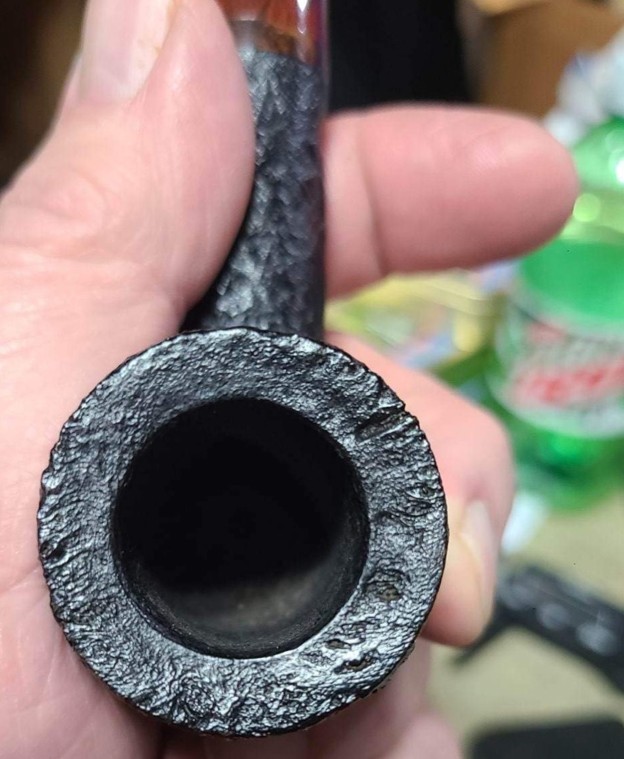
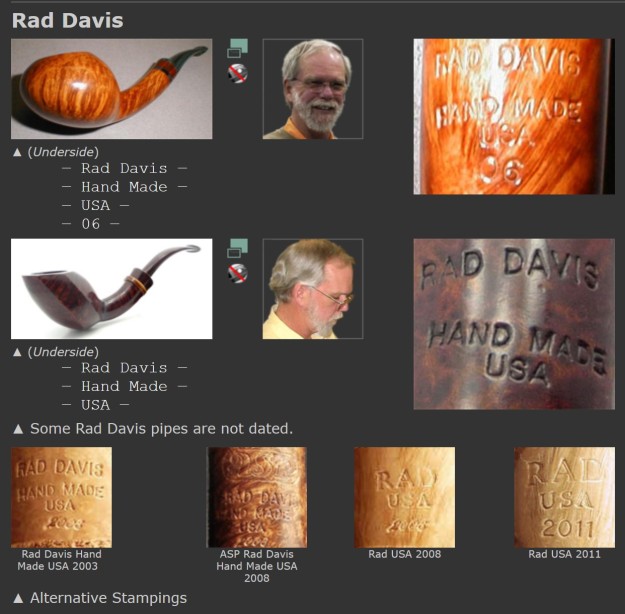
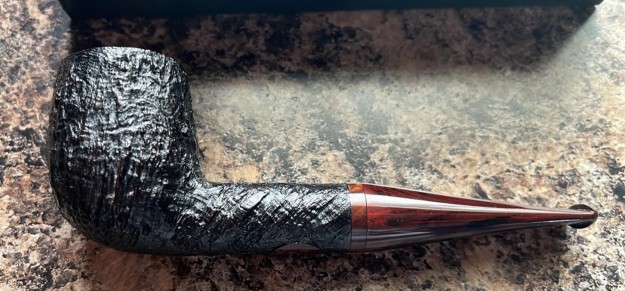
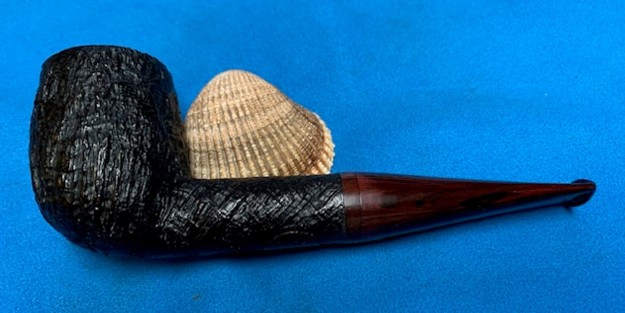
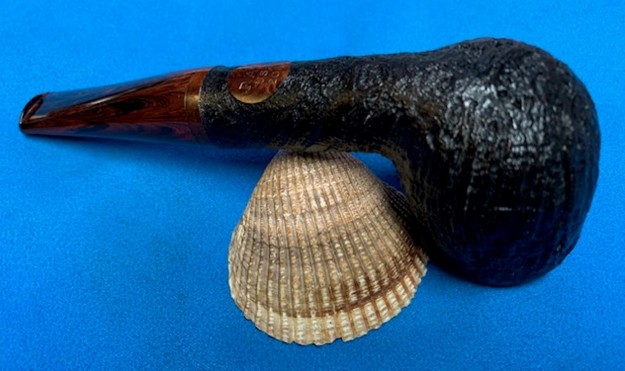
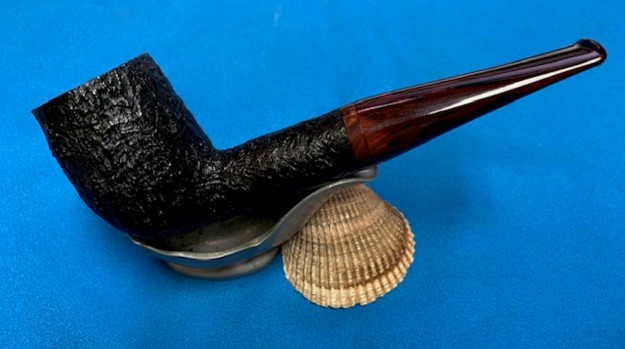
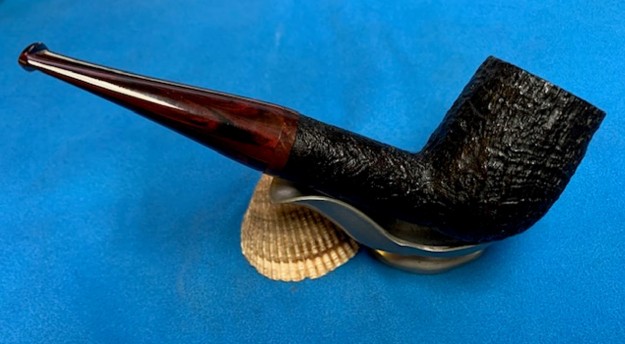
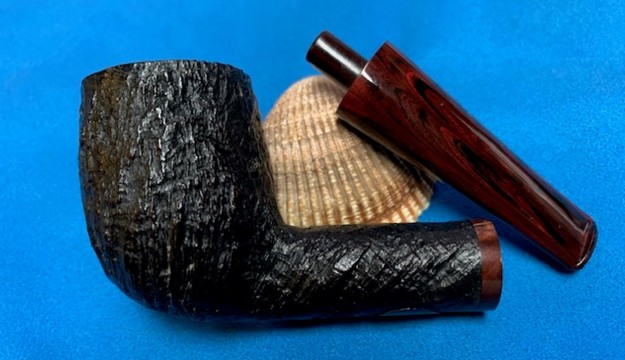
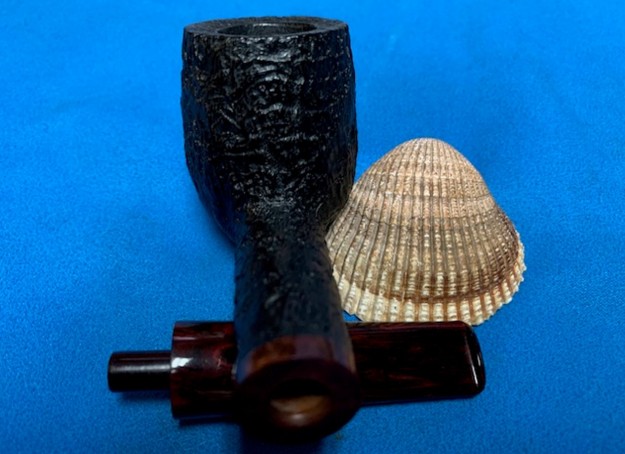
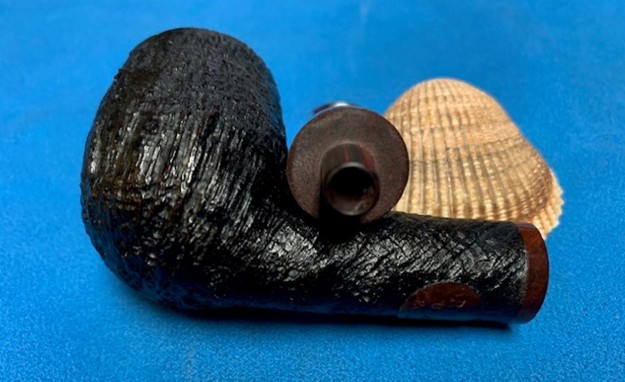
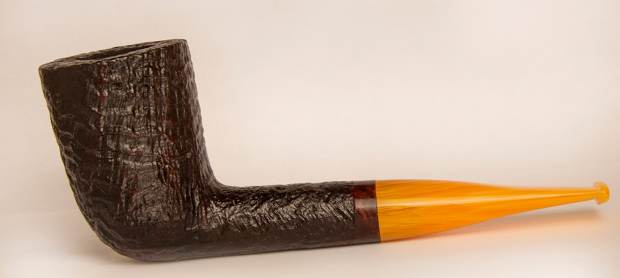
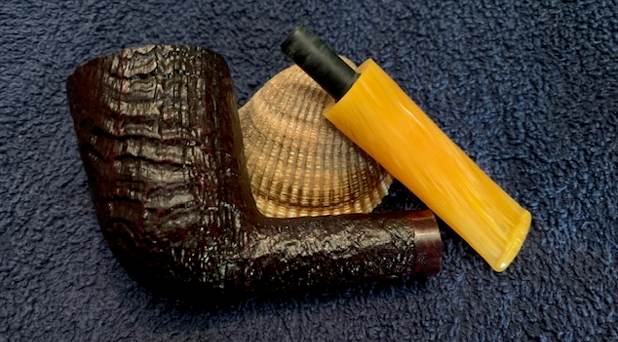
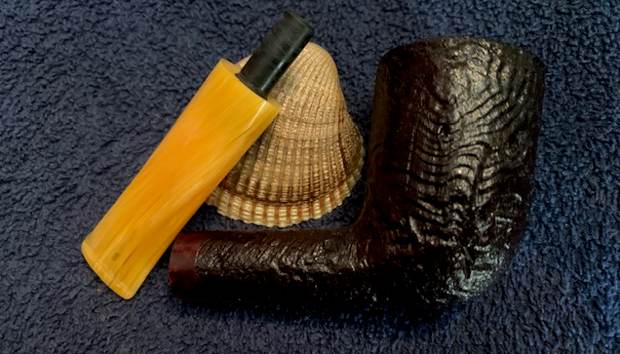
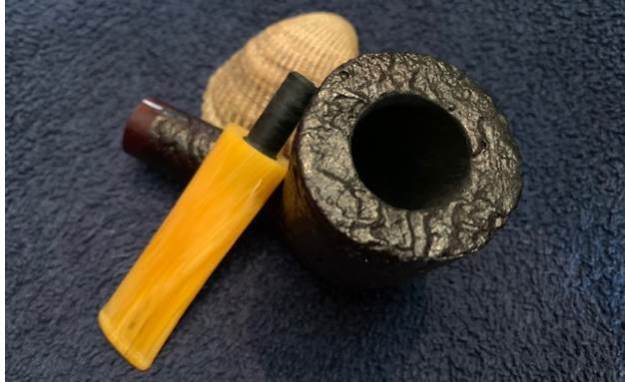
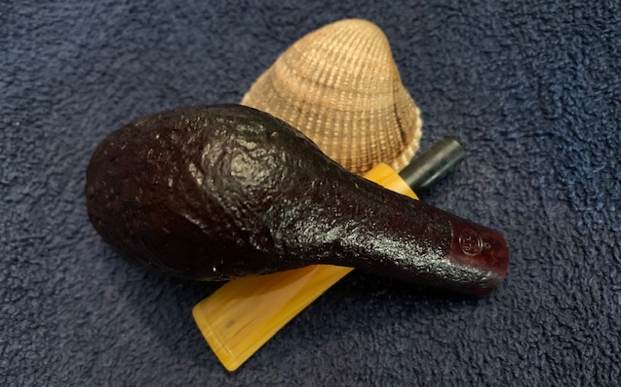
Several months ago now I was reading a post that Robert Lawing of Lawdog’s Pipes posted on Facebook regarding some pipes he worked on that were for sale. One of them was a beautiful Rad Davis 2013 Sandblast Billiard with a shape much like a Dunhill LB. It had a smooth ring around the shank end. The stem was a beautiful Cumberland style taper that looked to be very comfortable in the mouth.I have collected pipes from Rad for quite a few years now and this one caught my eye. I was very interested in adding it to my collection. I copied the photos that Robert had posted so I could enjoy them. I wrote to Robert and we chatted and I soon was able to purchase it. I had him send it to my brother Jeff and I was able to pick it up on my recent trip to Idaho for my Father’s 95th Birthday. The shape is uniquely Rad Davis! I have had an eye on pipes from that brand for several years now and this shape is one that I wanted to have. The angles of the pipe shape where the bowl and shank join are a classic shape like a Dunhill LB. The comfortably shaped, Cumberland stem was a great contrast with the dark black/red stain of the sandblast briar. I am including the photos that Robert had in sale listing. The next photo that Robert showed was of the stamping on the underside of the shank. It is a smooth oval with stamping that reads RAD [over] USA [over] 2013. The stamping was clear and readable.Robert had taken photos of the bowl sides to show the shape and the style of the blast. It was a real beauty. To help me understand the stamping a bit more I turned to Pipephil’s site and read what it said about Rad Davis pipes (http://pipephil.eu/logos/en/logo-r1.html). I have included a screen capture of the section below as well as the side bar information below the capture.Artisan: Robert (Rad) Davis began making and selling freehand pipes in 2003.

To close my understanding of the pipe I turned to Pipedia (https://pipedia.org/wiki/Davis,_Rad).  I quote the article which came from Rad Davis himself. It is a great read so I have included it below.

I have been smoking (off and on) and collecting (continuously) pipes since the early 1970’s. They have always fascinated me. My very first pipe was a Pioneer Calabash that I bought in a department store in the early 70’s while I was in college in Sacramento, California. My second pipe during that same period was a Nording free hand that I got for $20.00 plus a coupon from the back of an Amphora Pipe Tobacco package. The coupon was introducing this new young Danish pipe maker to the U.S. market. I still have both pipes.

I met Mark Tinsky several years ago in the internet when I was in need of a pipe repair, and from his site I found that he was a fly fisherman. I am a fly fishing guide in Montana and a commercial fly tier, and we ended up trading some flies for pipe repair. Last spring, I was in need of a pipe repair again, and when I found Mark’s site, I saw that he had a new address in Helena, Montana, where I live and guide during the summer! We got together after I arrived for the season and did some fishing together, and he showed me his shop, and even made me a nice bent Rhodesian pipe while I watched. It’s become one of my favorite pipes, dedicated to Mac Baren Navy Flake.

When I expressed an interest in trying to make a pipe, Mark was much more than helpful. He gave me a couple of pipe kits that he couldn’t sell for one reason or another, cut the basic shape out on the band saw, and let me go to work making free hand pipes. My first few pipes left a lot to be desired, but I was starting to see what I was doing wrong and concentrated more on getting the proportions and flow of the shape right until I was turning out some decent work. I also learned to cut and drill pipes and turn tenons on stems during this time. I discussed with Mark the possibility of my actually selling my pipes, and he said that he thought there was a definite need for quality hand made pipes at reasonable prices.

And here is the result. All my pipes are free hands, made from the same high quality Grecian Briar used by Mark. There are no fills in my pipes. Some may have small flaws, but they are not hidden, and they are priced accordingly.[1]

When Jeff received the pipe from Robert he took a photo of it and sent me the photo. He said the pipe appeared to be unsmoked and very clean.I brought it home with me on Wednesday when I came back to Vancouver. It truly is a beautiful pipe with stunning grain showing through the blast. The smooth band of briar on the shank end and the Cumberland taper stem work well with the dark blast of the bowl and the shank. The pipe is very clean and I can see why Jeff thought it was unsmoked. There is no smell or residual tobacco on the walls. They are dark and smooth. I took photos of the pipe when I brought it to my work table. Look at them and enjoy this stunning pipe.

Changes in the choice of pipes we pick up on our hunts…


Blog by Steve Laug

When I first started working on pipes I literally picked up every pipe that I found whether I picked them up in flea markets, antique shops or thrift shops. I was incredibly indiscriminate and picked them all up. I bought Dr. Grabows, Yello Boles, any and every American or Canadian Made pipe, Danish, English, French, German or any other country where a pipe was made that caught my attention. I was always on the lookout for that illusive Dunhill or Preben Holm made pipe. I found a few of both over the years. In those early days, almost 20 years ago, I paid very little for the pipes I found. Most cost me between $10 and $12. I also bought a few on EBay as well in the same price range. These early days were filled with excitement regardless of the pipes that I had found.

One day, almost drowning in pipe that I had restored and did not want and could not even seem to give away any more I made a significant change to my purchasing and hunting habits. I decided to “go to school on pipe repairs”. I purchased pipe that needed very specific repairs. For example,. I would buy pipes that needed to be refinished and work on them until I was comfortable with the process from beginning to end. I would buy bowls for restemming and work on the process of fitting and shaping new stems until I had worked out my own system. Each purchase represented something that I wanted to learn and continued to work on until I became better at the process. This went on for several years until I was comfortable with most restoration projects or needs. Notice, I never used the terms perfected or became proficient because I am always in the process of learning and refining the work.

From there I went on to purchase pipes by country of origin. I focused primarily on English and Danish pipe with a few specialty or unique American pipes. These American pipes were ones that I called oddities or perhaps a better term would be unique or specialty pipes. I broadly focused on country rather than specific brands. I worked on virtually anything British or Danish. In terms of British pipes I purchased Barlings, Comoys, GBDs and all the various seconds or sub lines that each produced. These included Portland, Dr. Plumb, Irwins, the Everyman, the Guildhall to name a few. I also picked up Orliks, Millvilles, Upshalls, Ashtons, Charatans, Dunhill, Loewe and Co., Astleys, BBBs, Charles Fairmorn, Parker, Redman, Sasieni, Tilsheads and others.

In terms of Danish pipes I purchased all the various pipes carved by Preben Holdm- Danish Pride, Preben Holm, Golden Danish, Walnut Monte Verdi to name a few. I also bought Georg Jensen, Stanwell, Royal Danish, Stokkebye, Winslow, Johs, Nording, Bari and Bentleys. There were others that I picked up as well whose names escape me. There were many other brands that caught my eye and joined the collection that needed to be worked on.

The third change of focus is more recent, perhaps the past 4 years or so. That involved buying estates as well as buying specific brands noted above. This has been a very enjoyable aspect of the hobby for us. We buy estates from family members and executors and get to enjoy the story of their friend, husband, father, uncle or brother. We learn to understand and know them in their pipe smoking habits. That is a huge bonus that allows us to carry on the story of a specific pipe or group of pipes. These estates have been purchased from family members, executors and sellers moving pipes for the families. These estates have come from Europe, Australia, Asia, the US and Canada. It is a pleasant twist on the hobby for both Jeff and me.

It seems that we rarely buy pipes from EBay any longer as we no longer need to. We still enjoy the pipe hunt and still enjoying buying from individuals who contact us about pipes they would like to sell. We enjoy the thrill of the pipe hunt and the mystery of uncovering beautiful briar in the pipes that we restore. We love the restoration journey. Continue to follow us in our restoration journey as demonstrated in the blog. We are sure you will enjoy the musings and development as we work on these pipe finds. Thanks for your faithful support.

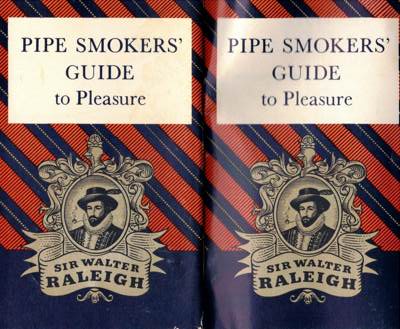
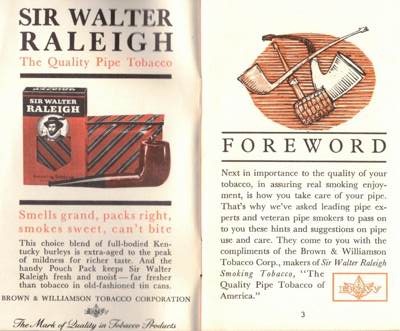
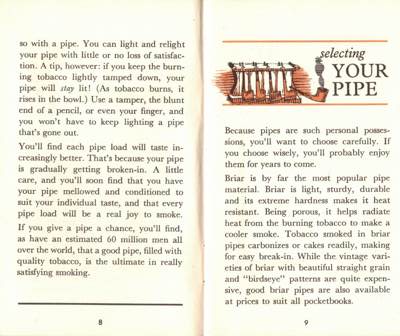
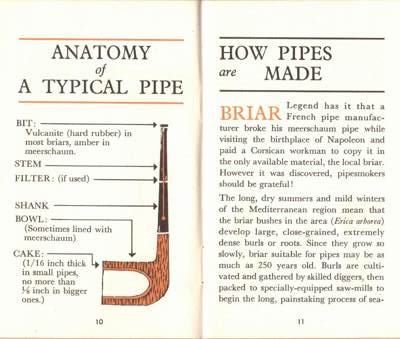
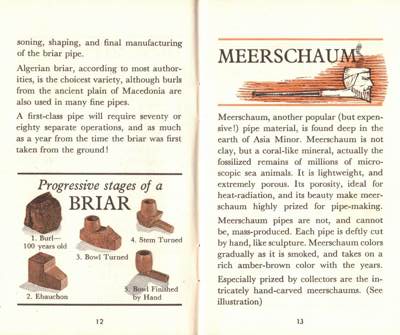
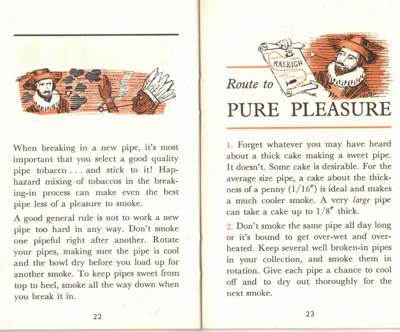
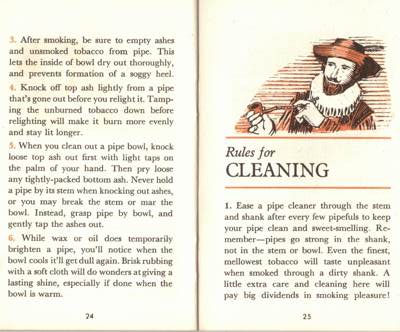
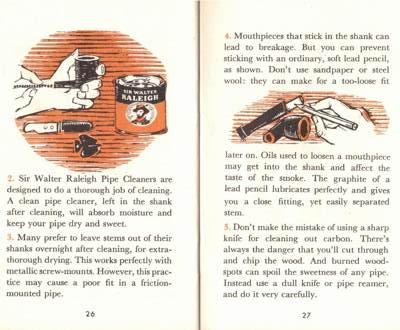
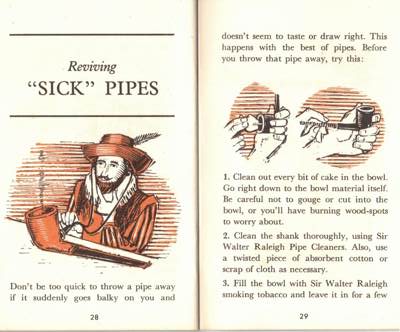
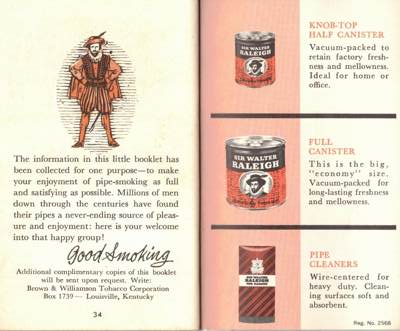
A Pipe Smokers’ Guide To Pleasure – Sir Walter Raleigh


Blog by Steve Laug

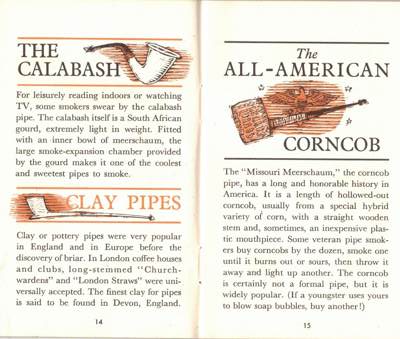
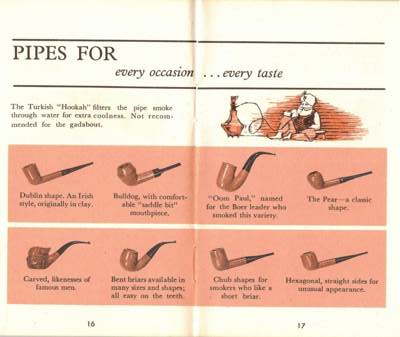
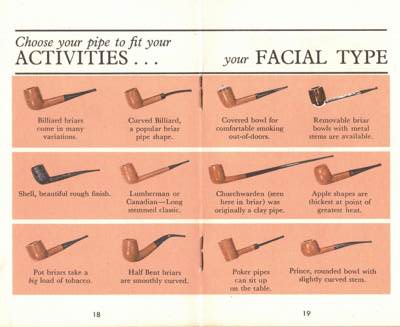
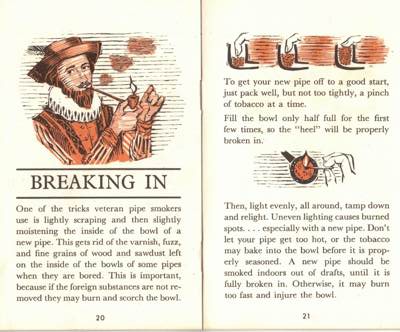
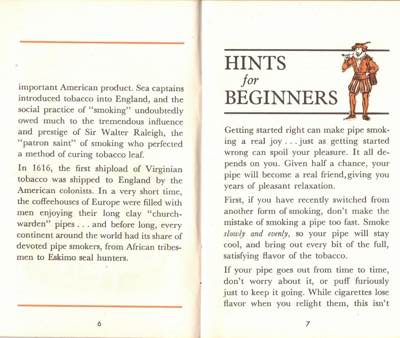
I received this booklet in a box of pipe parts and tobacciana that I brought home with me while on my visit with Jeff and Sherry in Oregon. It is a neat little piece of tobacco history in the form of a guide to pipe smoking that came with boxed Sir Walter Raleigh Pipe Tobacco. It is a great read and a great piece of pipe history. Give the text a read as is a delightfully worded piece of Pipe Advertising. Thanks.

Some great finds while visiting my brother and doing a few pipe hunts!


Blog by Steve Laug

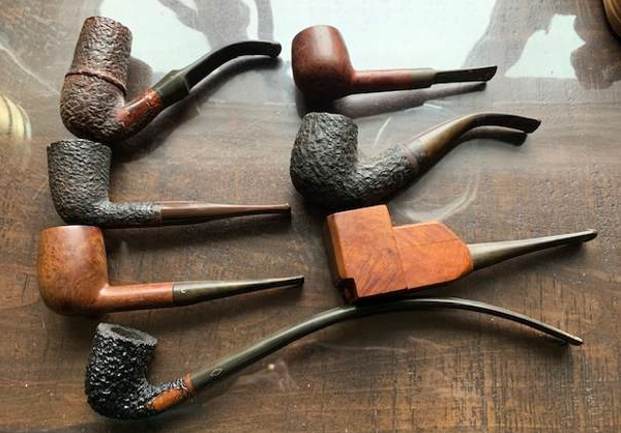
Irene and I just returned from a long needed holiday visiting my brother Jeff and his wife in Oregon. Of course when we are together we have to do a bit of pipe hunting. We visited shops up and down the Oregon Coast and along the Washington side of the Columbia River. We found a few notable pipes that intrigued us. I also was able to pick up quite few items that he had stored for me to take home. In the first photo below is the first finds of the trip. From the top of the left column down these are the pipe we found.

    1. Italian Made Calabash with a removable bowl and a rusticated finish. The stamping is not clear on it so I am not sure of the maker but it reminds me of a Ser Jacopo
    2. A rusticated Dublin with a Cumberland stem that the seller identified as an Ardor but all I can see is Italy. Turns out it has a cracked shank once I removed the sales sticker.
    3. Comoy’s Grand Slam 186 Billiard with COM circle and the Grand Slam plumbing in the tenon.
    4. Brebbia Lectura Church Warden that is bent with a rugged rustication. It is great condition.
    5. Weber Old Standard Pot with great grain and an almost full bowl of unsmoked tobacco.
    6. Peterson’s Made Irish Second Rusticated Bent Billiard in excellent shape though the stem is probably a replacement.
    7. Needham Imported Briar Pat’d System pipe – square and blocky looking but unique.

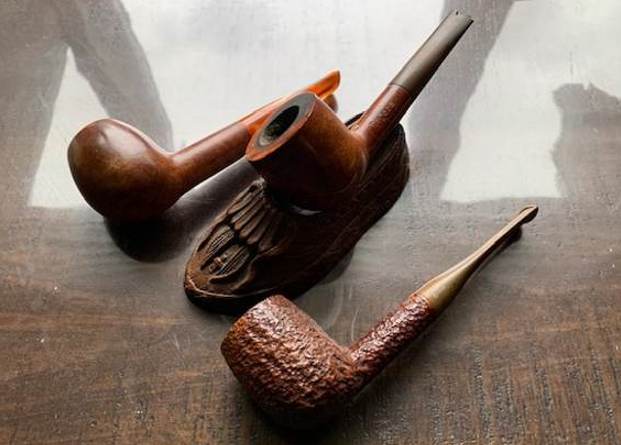
The second photo shows the next finds on the hunting trips. I have listed them below from top to bottom of the photo. I also found the moccasin pipe rest that holds one of the pipes at a local shop.

  1. Made in London England Apple with an orange acrylic stem that is in great condition.
  2. Roger’s Standard with a broken stem that is also stamped France. It was a free find that was given to us because the stem was broken. It is sitting in a moccasin pipe rest from the same shop.
  3. Savinelli Oscar 428 Rusticated Billiard

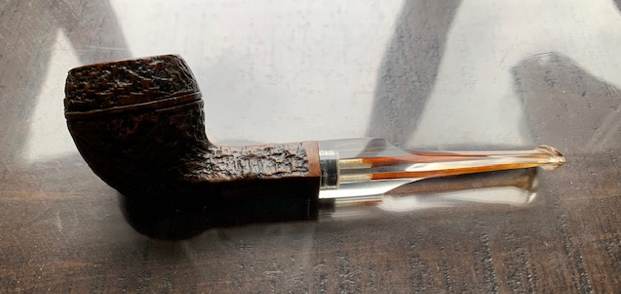
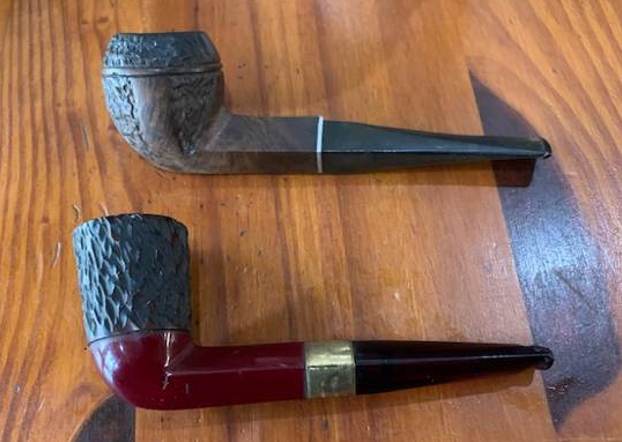
We also visited a friend in Vancouver, Washington to pick up some pipe parts – stems, tenons, bands etc. He gifted me with a House of Robertson Straight Rusticated Bulldog with a Perspex stem. We had a great visit and enjoyed swapping stories and tobaccos. The last two pipes we added are pictured below.

  1. Royalton Tru-Line Bulldog with rusticated panels and smooth panels on the bowl. It has a rusticated bowl cap and smooth shank.
  2. A Bakelite Diamond Shank pipe with a rusticated briar bowl.

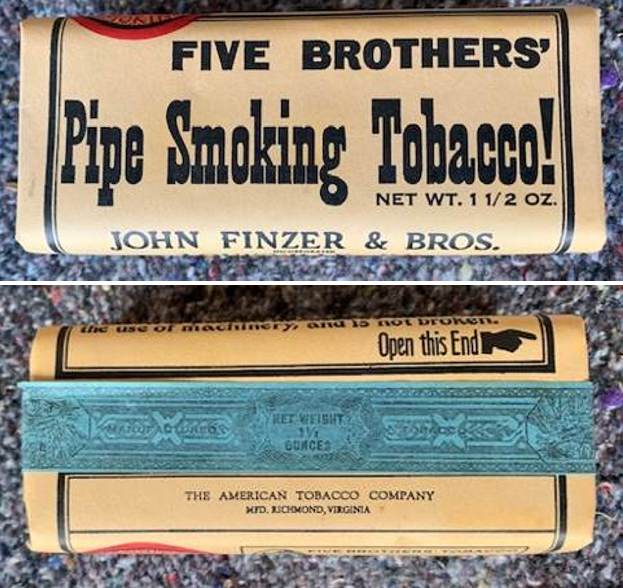
Here are some of the other things we picked up or were given.

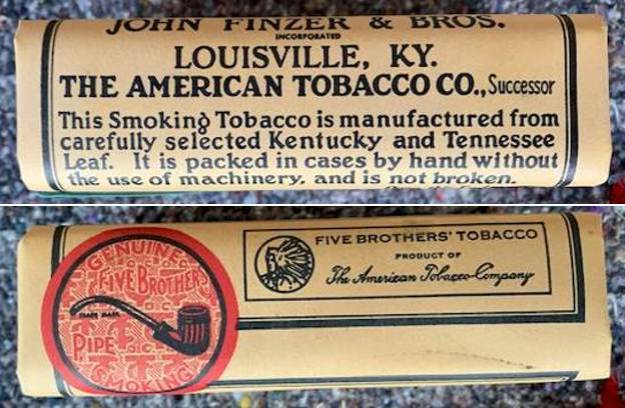
  1. The first was a pouch of Five Brother’s Pipe Tobacco from the fellow in Vancouver, Washington. It had belonged to an older family member – perhaps his father or uncle. He is in his 80s so it an old timer. He had a partial case of it that he took this from to give me. It is a beauty and dry as dust.
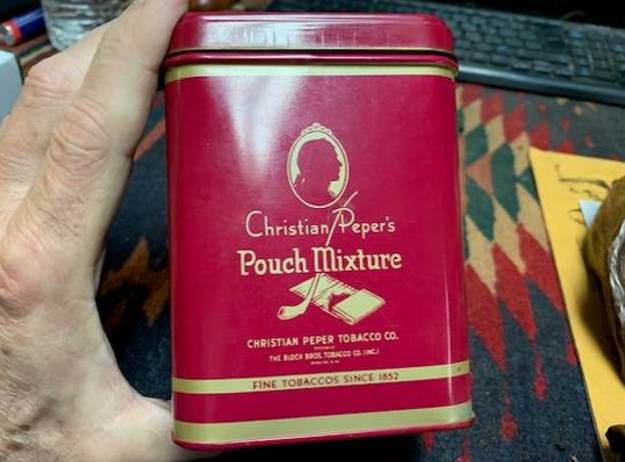
  2.  The second was a tin of Christian Peper’s Pouch Mixture that was sealed in a plastic bag in the tin. It was made by the Bloch Brother’s Tobacco Company in the 1950s. It was dry but still smelled good and would be an interesting smoke.

Jeff also passed on some finds that he had made with me in mind over the past few years. This was my first visit to the states since Covid 19 so some of this had been with him quite a while.

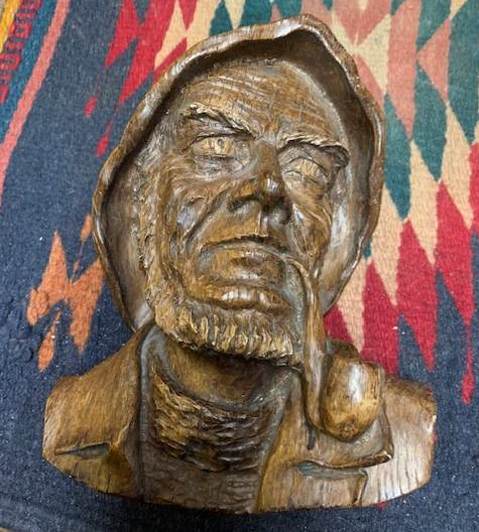
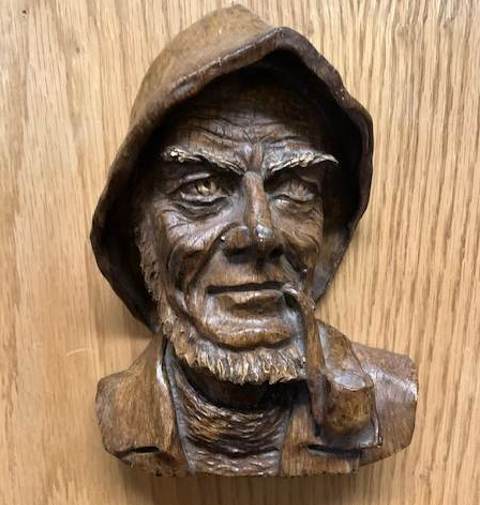
  1. A carved wooden head of a fisherman smoking a pipe. It was quite nice and was made to hang on the wall. Which it is now doing next to my desk here in Vancouver.
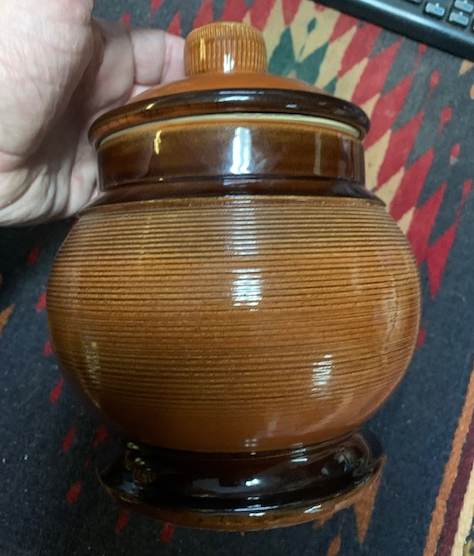
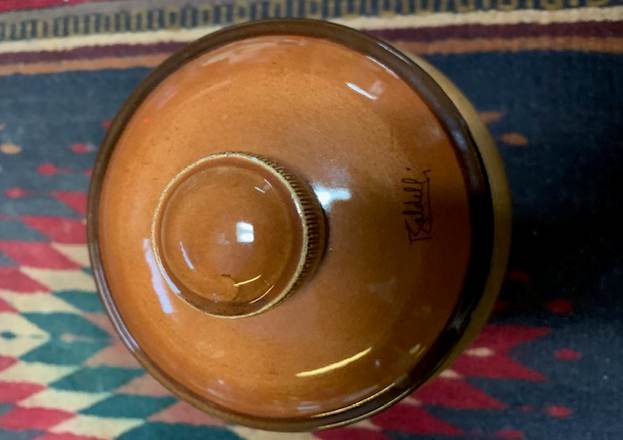
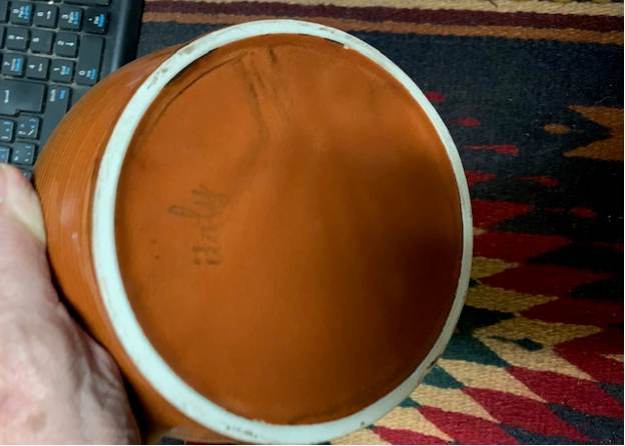
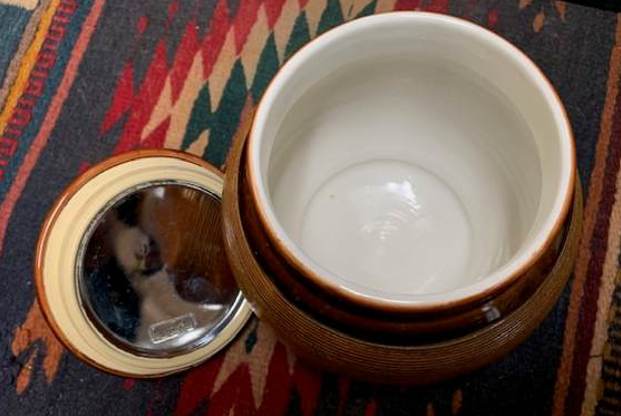
  2. We also had picked a nice sealed pottery humidor from a seller on Facebook that I had shipped to him. It is stamped with a script signature Baldelli on the lid and Italy on the base.

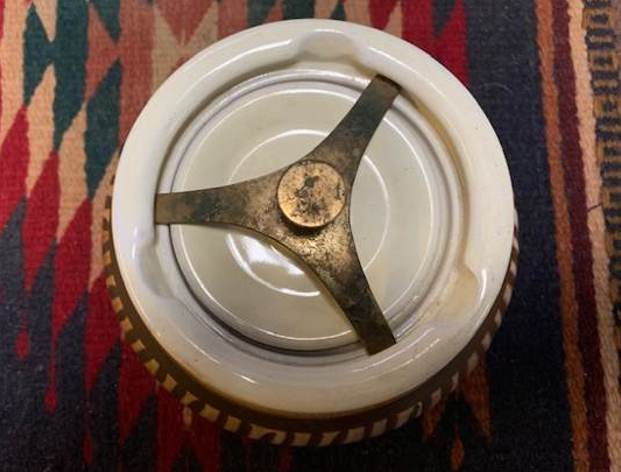
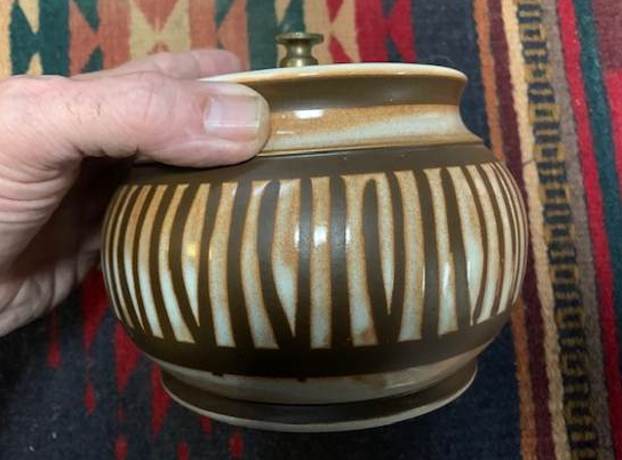
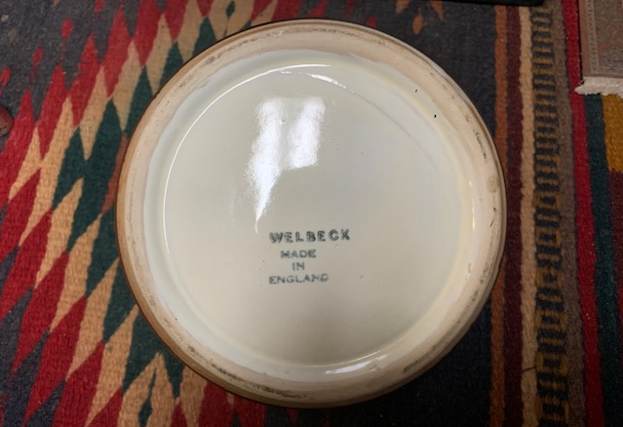
I found another humidor for tobacco with a brass handle that turned in the rim edge and kept the tobacco fresh. It is stamped Welbeck [over] Made in England. The humidor is white w/ brown vertical lines design, top lip has a brown stripe, lid has a 3 arm screw closure to seal the jar, 6 1/2″ dia. x 5″ tall, hard rubber seal and is in good condition. Finally a couple of other items I brought home with me from Jeff.

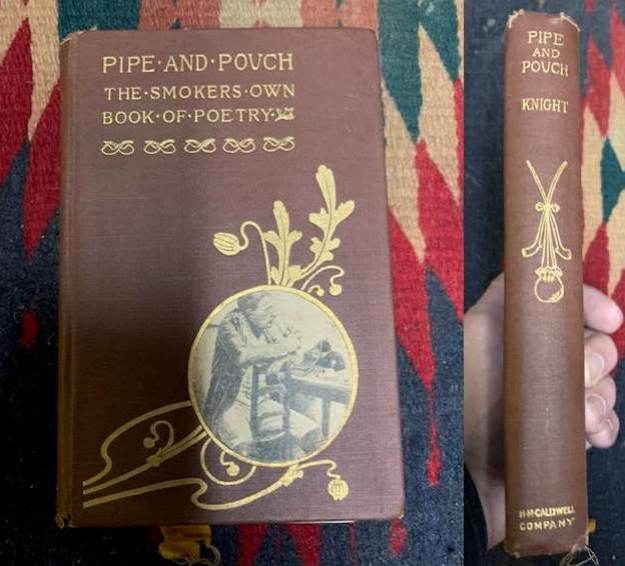
  1. An older book called Pipe and Pouch – The Smokers Own Book of Poetry. It was compiled by Joseph Knight and printed by HM Caldwell Co. Publishers in Boston. It has the printed copyright 1894. It is a neat old book with a built in book ribbon to keep my place and gilded page edges.
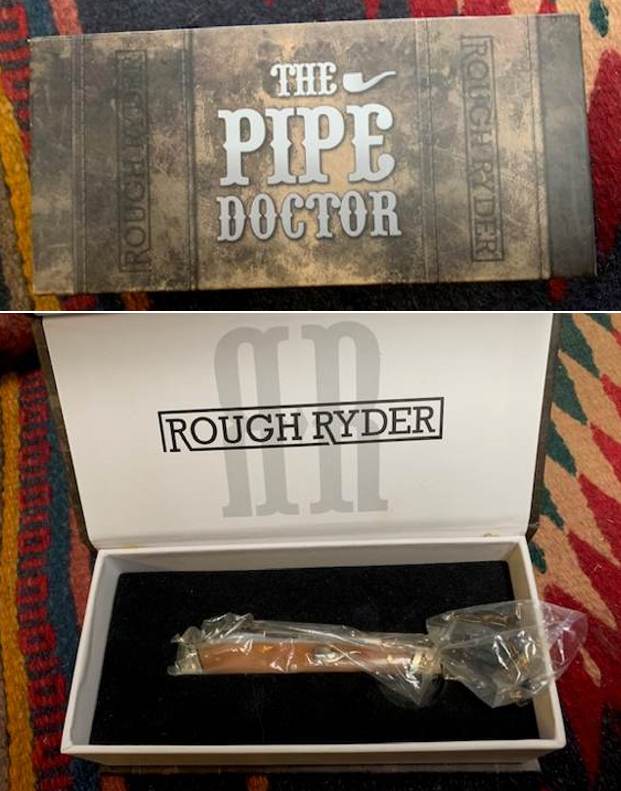
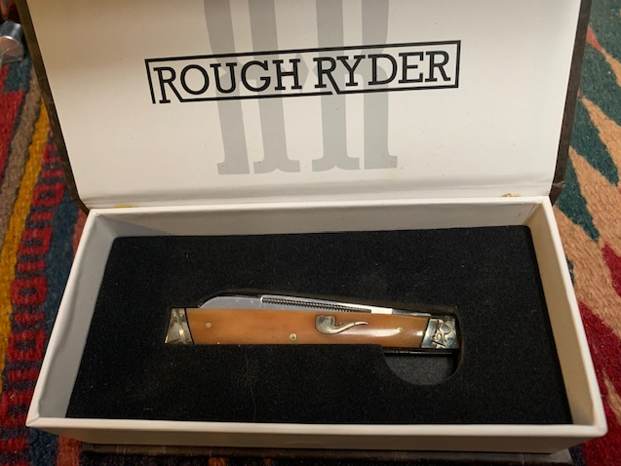
  2. A pipe knife boxed in a case that is printed Rough Ryder Pipe Doctor and when opened reads rough rider. It is unused and has an end that can be used for a tamper and a blade for scraping the bowl. It is a beauty.

Cleaning up and restoring a Shadow Box on the Process of Manufacture of a Briar Pipe


Blog by Steve Laug

My friend who is moving offered me this interesting old shadow box. It is entitled PROCESS OF MANUFACTURE and shows the movement of a block of briar to bowl with a mouthpiece. It was in pretty rough shape with the felt board with briar on it loose in the frame with the nails loose in the back. There was some kind of logo or label missing at the top of the shadow box and there appeared to also be a pipe missing from the flow of manufacture. Each item was labeled. From left to right by row the labels read as follows:

Row 1 – Briar Block, Prepared Briar

Row 2 – Turning of Bowl, Turning of Stem, Shaping of Bowl

Row 3 – Polished by Hand, Fitted Rough Mouthpiece, Finished Mouthpiece (third piece is missing).

Row 4 – Ready for smoking (wrong pipe in the clamp there).

I was looking forward to cleaning it up and repairing it to hang above my desk once I moved back into my basement office. The photo below shows what it looked like when I received it.I used a small hammer to reattach the nails that were sticking out on the back of the frame. It tightened both the backing and the corners of the piece. Each block had a screw through the backing into it holding it in place. I took the pipe out of the bracket at the bottom of the shadow box and sure enough there was a threaded hole in the back of it. That told me that it was the missing piece in the last spot in the third row in shadow box. I used some wood glue and a tooth pick to anchor the blocks to the back board. I set it aside to cure. The photo below shows the newly glued in place blocks. I talked to my friend about the missing pipe and he said he remembered that the display was originally a Butz-Choquin display. The missing sticker/logo at the top would have been a Butz-Choquin logo. He also believed that the finished pipe was in a box that he had dropped off for me to clean up. I went through the box and sure enough, in a Stanwell pipe sock was an unsmoked Butz-Choquin Billiard that was a perfect match to the size and shape of the block. I put it in place in the clamp at the bottom of the frame and it looked complete. I also knew that I was dealing with a Butz-Choquin display so I would need to print a BC logo for the top area of the box. I did a quick Google search and found exactly what I wanted. I cut it out with scissors and used a glue stick to attach it to the felt back board. I took a photo of the shadow box at this point in the process to show how it looked. We are in the process of having my basement office restored after flooding. My daughter and I chose the gray charcoal paint for the walls with a white ceiling and white trim and doors. There will be an oak desk and oak bookcases coming back in place. I chose a spot over my desk for this shadow box and hung it on the wall. It was the very first picture I have hung since the painting and restoration work. The finished shadow box looks amazing on the wall and the contrast with the paint is perfect. The piece will hang above my work desk that I also use for working on pipes. It is a silent witness to the process of birthing a pipe from a block of briar. It also links my restoration work of rebornpipes to the ongoing life of a briar. Thanks for taking time to read this.

Enjoying a Steve Morrisette Custom Modified Sandblast Dublin


Blog by Steve Laug

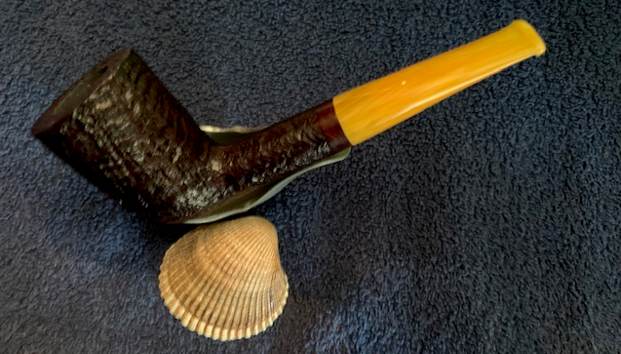
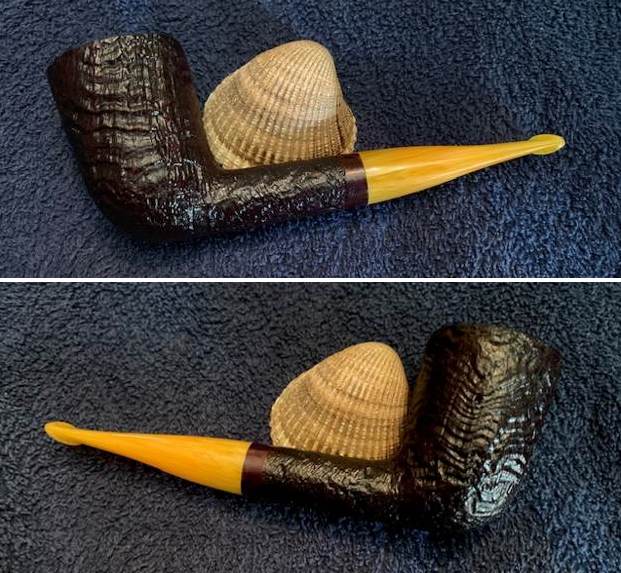
I have been on a recent pipe buying binge and before I took my trip to Europe I ordered a new one. I had seen that Steve Morrisette had been posting some great looking smooth and sandblast finished pipes for sale on Facebook. I have several of Steve’s pipes and they are great smokers. He was selling these for $125 shipped buyers choice. He called them SM Modified pipes. The pipe below showed up in one of his listings and I was hooked. It was a beautiful sandblast pipe with an amber acrylic taper stem. The stain looked to be oxblood or cordovan but I liked it either way. There was a smooth band on the shank end that looked great against the stem. Here is a photo of the pipe from Steve’s listing.I wrote Steve the following email with a few questions and to see if he would ship to Canada. I have included our email exchange below. First my questions and second his response. I specify as we are both Steve!

Hi Steve
Hope you are doing well… I am definitely interested in the sandblast SM Modified pipe. Is it still available? Will you take PayPal? Can you tell me what is modified other than the stem??

Hi Steve!
Yes, still available. I thinned down and opened the mouthpiece up and got the drilling correct. Cleaned up the blast and coated the bowl, stained it with cordovan stain, put a VERY light coat of shellac and then melted a light coat of powdered beeswax on it. Now the engineering is correct and it is a pretty nice pipe – and handsome too. Big capacity but not overly heavy. Hope that answers your query.

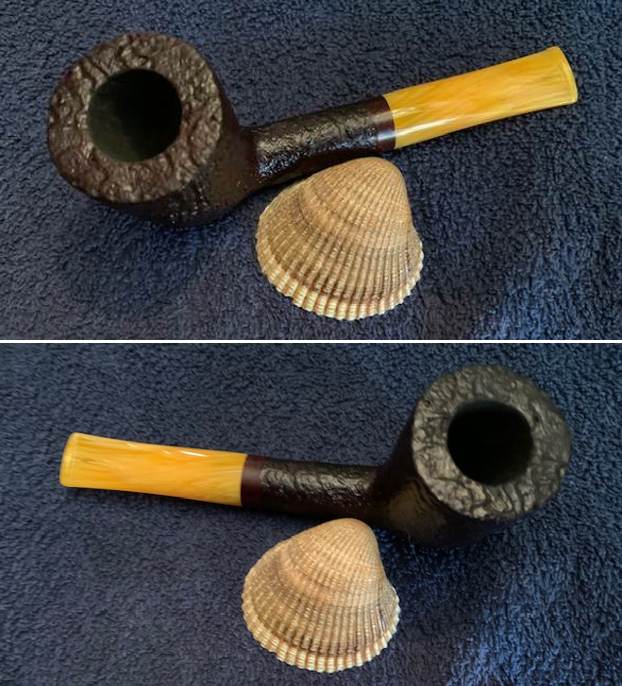
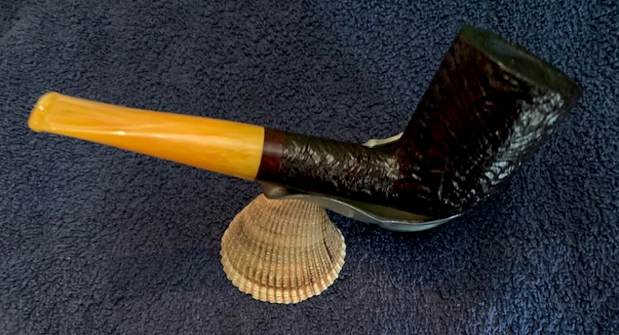
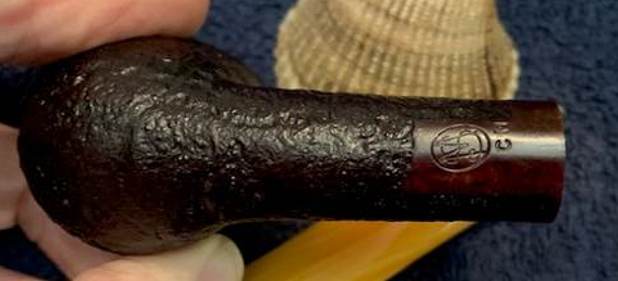
So now I knew clearly what the modifications are that he makes to the pipe. I really like the way he engineered my previous pipes so I was looking forward to seeing how well this beauty would smoke. We struck the deal and he shipped it out before I left on my trip. When I returned over a week ago the pipe was still not here so I was wondering if perhaps it had been stuck in customs. Then yesterday a very beat up box with the dreaded yellow customs tape signalling that it had been opened arrived. It was so squashed and beat up that I wondered what I would find inside. But when I opened the box all was intact and the pipe was in perfect condition. I took some photos of it once I had unwrapped it. The sandblast is even more beautiful in person than in the photos. The mechanics of the pipe are perfect and the draught exactly how I like it. Here are some photos of the pipe. I took photos of the pipe in a silver pipe rest to get a sense of the proportion and look of the pipe in a rest position on my desk top. It is a beauty that I hope to smoke this weekend. I took a photo of the underside of the shank to show the stamping on the pipe. It is clear and readable. It has the Steve Morrisette oval SM logo stamp and underneath that is a CM stamp which I am assuming means Custom Modified.I removed the stem from the shank to capture the variations in colour on the amber acrylic, the Delrin tenon and the cordovan stain on the sandblast. It really is a beauty! I am looking forward to loading up a bowl of some aged tobacco I have here and enjoying a bowl this weekend when Kenneth stops by. My only wish regarding this beauty is that it would have been great to see some before photos to know what the pipe looked like before Steve worked his magic on the pipe. But all things considered it is not necessary as it is a beauty. Thanks Steve for a great pipe. If you are looking for a well made pipe at a reasonable price you might contact Steve Morrisette about these Custom Modified pipes. Here is his email if you want to reach out to him smpipes1@gmail.com . Enjoy your pipes!


Adding Another Jack Howell Pipe to my Collection  – A Great Looking Straight Billiard


Blog by Steve Laug

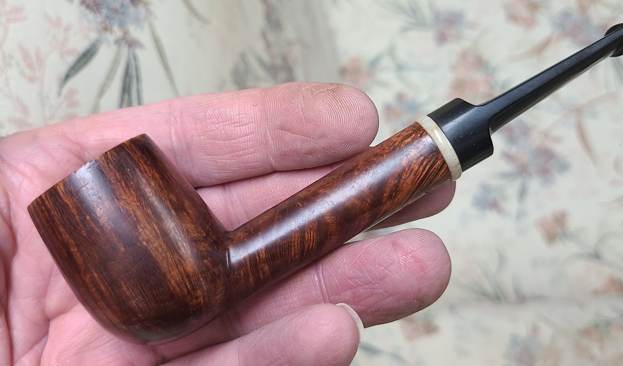
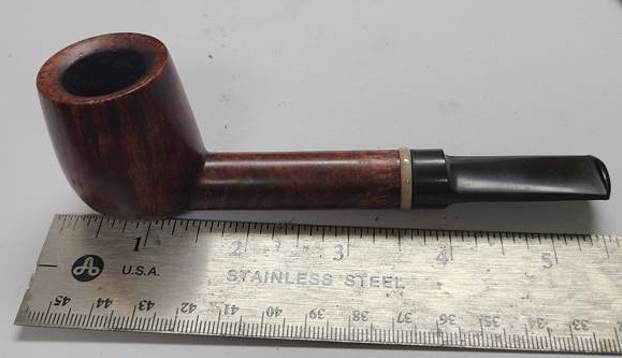
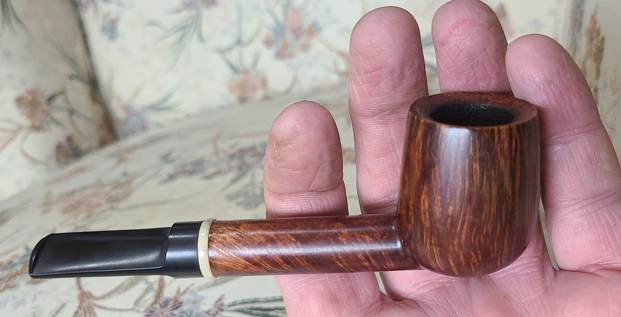
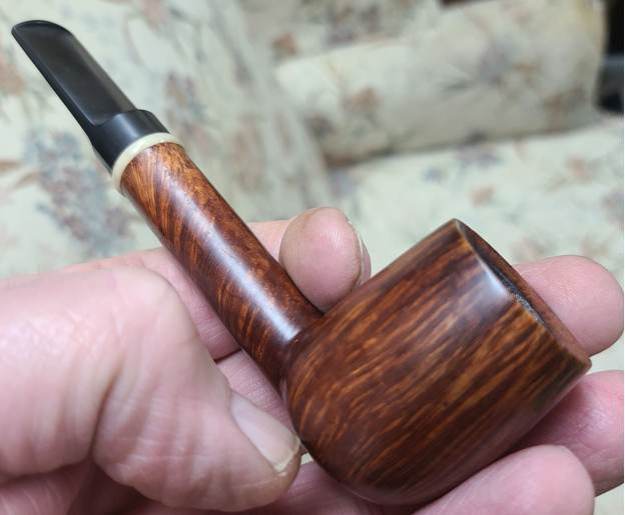
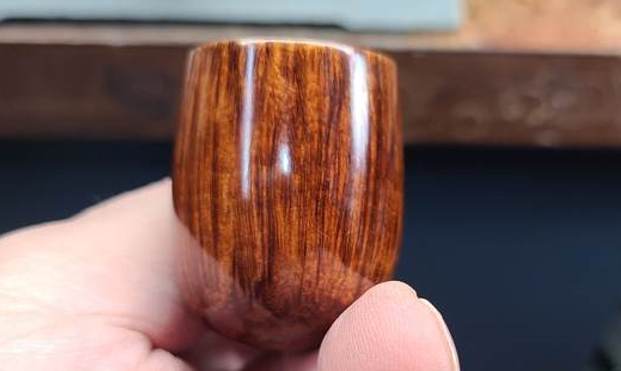
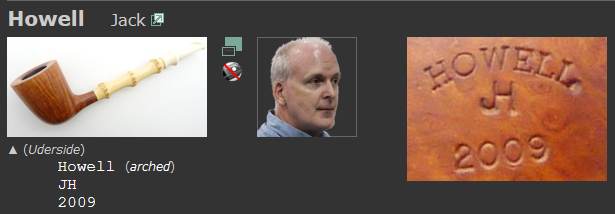
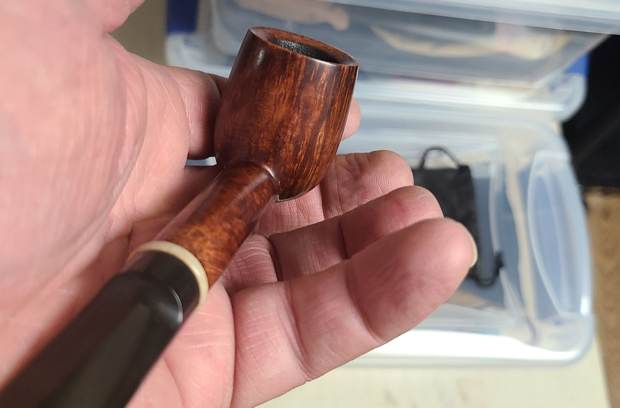
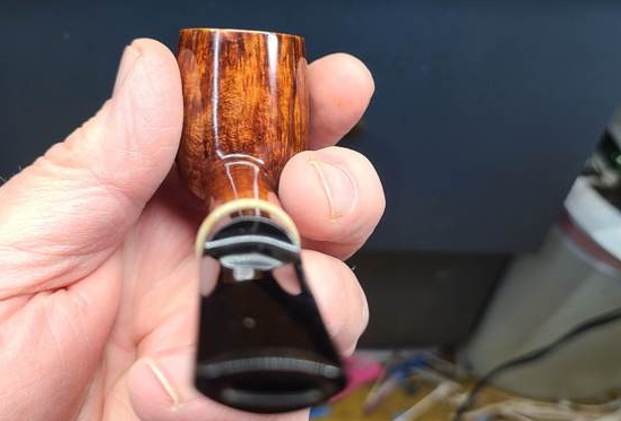
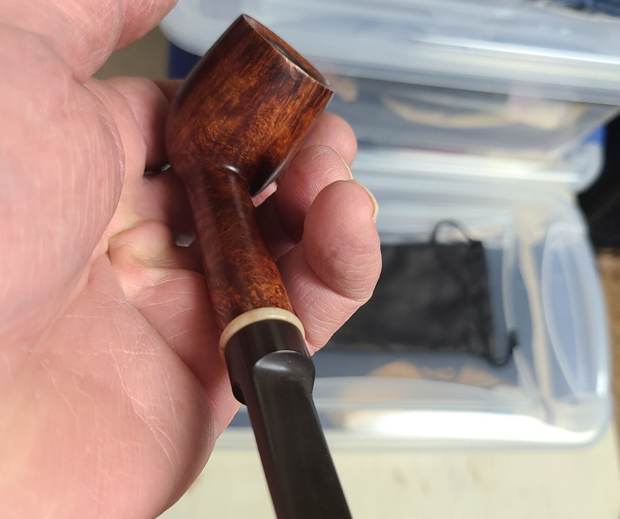
The second pipe I added after the S. Bang to my collection is also another one that came to me from Robert Lawing of Lawdog’s Pipes. It was also listed on a post I was reading from Robert on Facebook regarding some pipes he worked on that were for sale. It was a beautiful Jack Howell Straight Billiard with a shank ring that was made of vegetable ivory I believe. It caught my eye and I was very interested in adding it to my collection. I have several of Jack’s pipes that I enjoy already so adding another is a pleasure for me. The first is an acorn and the second is a short nosewarmer Lovat. Both are great smoking pipes. I have included the link to my review of those pipes (https://rebornpipes.com/2015/04/27/a-review-two-pipes-by-jack-howell-an-acorn-and-a-lovatnosewarmer/). I copied the photos that Robert sent me to look at. I wrote to Robert and we chatted and I soon was able to purchase it. I had him send it to my brother Jeff along with the S. Bang. Jeff later sent it to me with some other pipes that I would need to work on. Everything about the pipe ticked my boxes. The grain around the pipe, the ivory looking shank band and the size all were what I wanted. It was light weight and comfortable in the hand. The shape is a classic Billiard shape that really highlights the grain around the sides and shank. It is well designed and really shows off the grain. It is a beautiful pipe. I turned to Pipephil to remind myself of the background of the brand and get a sense of the stamping on the pipe (http://pipephil.eu/logos/en/logo-h3.html). I did a screen capture of the material there and also included the side bar information. I remember meeting Jack at the 2004 Pipe Show in Chicago. I have included that below.Artisan: Jack Howell begun to be known after his participation in the 2004 Chicago Pipeshow.

I also turned to the article on Pipedia (https://pipedia.org/wiki/Howell) for more information and background. I quote below.

Jack Howell plays clarinet in the Pittsburgh Symphony and makes pipes part time. Except for when the symphony isn’t playing — vacation, say, or a global pandemic — then pipe production goes into gear. For current production, check out http://www.howellhandmade.com. And maybe have a look at the blog.

The following is Jack’s bio from his website:

Jack Howell, Maker

“Every rabbit needs two holes” — Jack’s Dad

I have early memories of watching my uncles whittle things with their pocketknives. I was, I dunno, six or seven years old when I started asking for a pocketknife so I could whittle. My dad said, no, I’d cut myself. But he gave me a file and access to a pile of cedar shingles that we used for kindling and said when I could make things with a file we would talk.

Perhaps that was meant as discouragement because a regular bastard file isn’t much for wood removal, but it’s not much for skin removal either, so there’s that. I set to with the file. Before too long I’d settled on my first oeuvre, a sort of Easter Island head. Which turned into the pommel of letter openers, and before long my dad gave me a knife, a Cub Scout model with one cutting blade and a can opener. I headed straight for the shingle pile, where it took me about ten minutes to cut myself.

Anyway, I’ve been making things for a long time, gradually getting to the point where I used tools with which I could no longer afford to cut myself. Along the way I became a professional musician, my manual skills coming in handy making clarinet reeds. I’ve also made knives, and bamboo fly rods (you can get a book I wrote about that at http://www.thelovelyreed.com), and other stuff. I started making pipes in 1999 and sold my first one in 2004. I went to a few Chicago and Columbus shows, was pretty visible on the old ASP forum, yada yada yada. My production has gone up and down as my musical employment has gone up and down, but for a number of years it stayed around 50 pipes a year. Once I joined the Pittsburgh Symphony Orchestra as bass clarinetist I only made a few pipes here and there on commission, because, well, I was practicing my ass off.

​Recently my dad’s wisdom has become evident. When I went to dust off my website it had come unhooked from my domain host, no idea how long it had been down and nobody had said anything about it, so . . . ​I’m back.

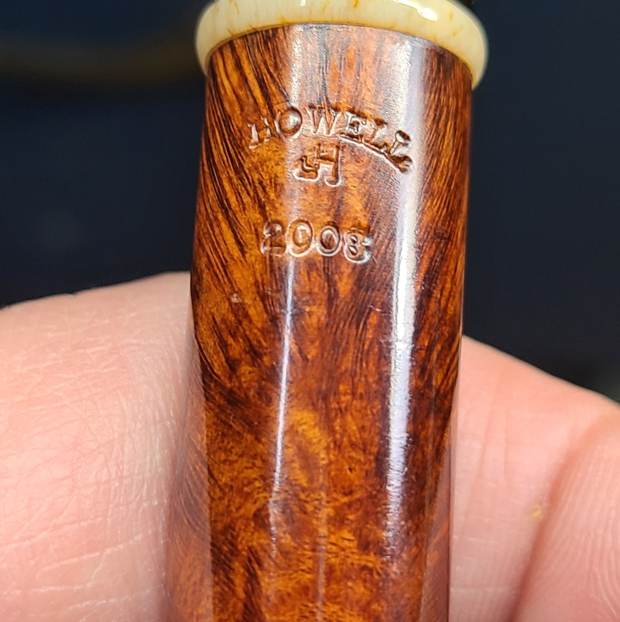
I have included some shots that Robert included of the pipe from various angles to highlight the grain and the shape of the pipe. It is a real beauty. Robert included a photo of the underside of the shank. It is stamped Howell [over] JH [over] the year the pipe was made – 2008. It is a great looking pipe.Now it was time to enjoy the pipe itself. I loaded a bowl with Seattle Pipe Club’s Deception Pass and sat on my porch and enjoyed a bowl while watching the world pass by on the sidewalk in front of my home. It was a great smoking pipe that met all of my expectations. It is one that I will continue to enjoy for years to come. Thank you Robert for making this possible.

Finally Added an S. Bang Pipe to my Collection


Blog by Steve Laug

Several months ago now I was reading a post that Robert Lawing of Lawdog’s Pipes posted on Facebook regarding some pipes he worked on that were for sale. One of them was a beautiful S. Bang Squat Apple with a Boxwood shank extension. It caught my eye and I was very interested in adding it to my collection. I copied the photos that Robert sent me to look at. I wrote to Robert and we chatted and I soon was able to purchase it. I had him send it to my brother Jeff who later sent it to me with some other pipes that I would need to work on.Everything about the pipe ticked my boxes. The grain around the pipe, the shank extension and the size all were what I wanted. It was light weight and comfortable in the hand. The shape is quite uniquely Bang! I have had an eye on pipes from that brand for several years now and this shape is one that I have had an eye on. The angles of the pipe shape where the bowl and shank join combine a round apple like shape and the rounded rectangular shank and the Boxwood extension. The comfortably shaped, black vulcanite stem was a great contrast with the  Boxwood and the briar. The next photo that Robert sent was of the stamping on the underside of the shank. It reads S Band [arched over] Kobenhavn. Under that it is stamped Handmade [over] In Denmark [over] B. The stamping was clear and readable. To help me understand the stamping a bit more I turned to Pipephil’s site and read what it said about S. Bang pipes (http://pipephil.eu/logos/en/logo-s1.html). I have included a screen capture of the section below as well as the side bar information below the capture.Sven Bang opened his tobacco and pipe shop in 1968 in Copenhagen. He was more a business man than a pipe carver and began to hire pipemakers. About half a dozen succeeded each other in his workshop during the 1970’s (Ivan Holst Nielsen, Jan Wideløv, Phil Vigen…). At least Per Hansen and Ulf Noltensmeier stayed and when Sven retired in 1983 they took over the company (in 1984) keeping its name.

I knew from that the pipe I have was made for the European market and bore a B grading which is quite high. I also knew that it was made after 1984 when Ulf and Per took over the company so it was made by one of them. I am including two final pictures that Robert included for me below.To close my understanding of the pipe I turned to Pipedia (https://pipedia.org/wiki/S._Bang). I quote the section from the article where the company changed hands from S. Bang to Hansen and Noltensmeier in 1984. It is a great read so I have included it below.

Svend Bang retired in 1984. Evidently he felt a great deal of pride in the product that he initiated throughout his career and retirement and until his death in 1993.

Once Hansen and Noltensmeier took over the company (in 1984) they knew it was best to retain the S. Bang name – the two carvers always shared the same philosophy about that. Noltensmeier and Hansen were determined to maintain top quality at the expense of increased numbers. The only change they made concerns the stamping on the pipes changing from the English version “COPENHAGEN” to the Danish “KOBENHAVN”.

Still, they are two separate carvers, with their own styles and preferences. Each makes his own pipes – there is no “assembly line” construction at S. Bang. They bounce ideas off of each other, of course, and admit that when problems arise in a pipe, it is nice to have a partner to discuss them with.

Though they carve pipes as individuals, there are similarities in their work. All Bang pipes are made with black, hand-cut vulcanite stems.

The same engineering is used by both carvers as well. The shape and size of the tobacco chambers vary according to size and design of the pipe, but each carver follows the same design guidelines for choosing the proper chamber dimensions. The smoke channel is always engineered for optimum performance.
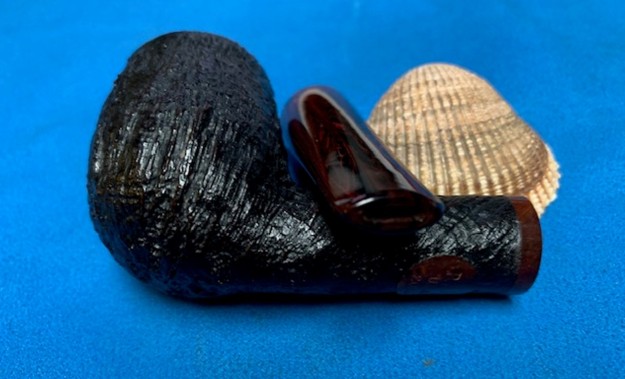
Bang pipes are noted for the high definition and fine contrast in the grain. They undergo a double staining process to achieve that effect. The technique makes the grain leap from the bowl of the pipe, making well-grained wood become extra ordinary. The same coloring, however, will produce different results in different pieces of briar, making each pipe truly individual.

Per Hansen is the designated sandblasting artist for the team. He personally takes those pieces that are to be sandblasted to Stanwell, and is permitted to use the sandblasting equipment himself. That is the only S. Bang process, though, that is not executed by the individual carver of each pipe. Everything else, including the famous S. Bang silverwork, is done in the shop by each of the carvers on his own pipes.
Now that I had read through the background it was time to enjoy the pipe itself. I loaded a bowl with Seattle Pipe Club’s Deception Pass and sat on my porch and enjoyed a bowl while watching the world pass by on the sidewalk in front of my home. It was a great smoking pipe that met all of my expectations. It is one that I will continue to enjoy for years to come. Thank you Robert for making this possible.


The Resurrection of Frog Morton


Blog by Kenneth Lieblich

Beside all the venerable gentlemen in the long history of pipe smoking, I am a but newborn infant. I have only immersed myself in this wonderful hobby in the last few years, and one of things that especially rankles my ever-ravenous brain is learning about wonderful tobacco companies that no longer exist and no longer produce the tobaccos that become semi-mythic to those of us who have never tried them.

McClelland Tobacco Company is a perfect example of the sort of company that no longer exists – but I wish did. I am mildly obsessed with tobaccos from McClelland and I have only tried a couple of their blends — thanks to the kindness of fellow pipe smokers, particularly Steve. My opportunities to try these old tobaccos have been exceptionally few and far between. The one that always springs to mind for me was trying McClelland’s Anniversary blend (from 2002), some twenty years after its release. That was a magnificent experience.I recently came across a post about recreating their legendary Frog Morton tobacco. I wish I could find the post (but can’t), but I will do my best to do it justice here. I’ve never had the chance to try any of the original Frog Morton tobaccos – and there is no question of me affording the prices to buy old, original tins on the secondary market – so this is the best I can do.

This recreation is whimsically called “Ghost of Frog Morton” by its originator, and I was keen to blend it myself to see the results. Allow me, for a moment, to go off on a brief tangent about the name of McClelland’s original Frog Morton. As many of you will already know, Frogmorton (as one word) is the name of a village on the Great Road in J.R.R. Tolkien’s Middle-Earth. It is in Eastfarthing and is not a town of any great significance, but reference is made to it twice in the Lord of the Rings: once in The Fellowship of the Ring, at the end of the Prologue, when it is displayed on a map of the Shire; and later in The Return of the King, when Tolkien writes:

“As evening fell they were drawing near to Frogmorton, a village right on the Road, about twenty-two miles from the [Brandywine] Bridge. There they meant to stay the night; The Floating Log at Frogmorton was a good inn. But as they came to the east end of the village they met a barrier with a large board saying NO ROAD; and behind it stood a large band of Shirriffs with staves in their hands and feathers in their caps, looking both important and rather scared.”Many books about Middle-Earth include minor references to Frogmorton, including Day’s A Tolkien Bestiary, Fonstad’s The Atlas of Middle-Earth, Foster’s The Complete Guide to Middle-Earth, Hammond and Scull’s The Lord of the Rings: A Reader’s Companion, Strachey’s Journey’s of Frodo, and Tyler’s The Tolkien Companion – among others.

Back to the tobacco: it is a Virginia-Latakia mix. On the original tins, Frog Morton is described as “An exceptionally rich, smooth and dark Latakia mixture for the pipe”. Well, I love Latakia and Virginia, so this resurrected “Ghost of Frog Morton” should be a winner for me.The procedure to make it couldn’t be easier, and it is certainly worth a try. To begin, I ordered the ingredients from my preferred tobacco merchant. The two components of this blend are Peter Stokkebye English Luxury PS 17 and Lane Limited HGL. I ordered four ounces of each, figuring that half-a-pound would be good enough to start with and share with friends.I emptied the contents of the two tobacco bags into a large, glass salad bowl – incurring raised eyebrows from my beloved wife. I took several minutes to thoroughly mix the tobaccos together. I did not want hidden chunks of one tobacco or another persisting in this blend. With gloved hands, I mixed and separated and tossed and blended and turned over all eight ounces. I hummed and hawed for some time about how to store it. Normally, I cellar tobaccos in Mason jars in two-ounce increments. However, I wanted to keep this batch all together, so I used a canning funnel and put it all in one large Mason jar.Voilà – my first quasi-blending! I obviously don’t have the real Frog Morton to compare it too, but reports suggest that it is a very good imitation of the original. I’m going to let it sit for a while and I’ll get back to you all once I’ve tried it.I hope you enjoyed reading this brief tale of bringing a classic tobacco back to life. If you are interested in my work, please follow me here on Steve’s website or email me directly at kenneth@knightsofthepipe.com. Thank you very much for reading and, as always, I welcome and encourage your comments.