
By Al Jones

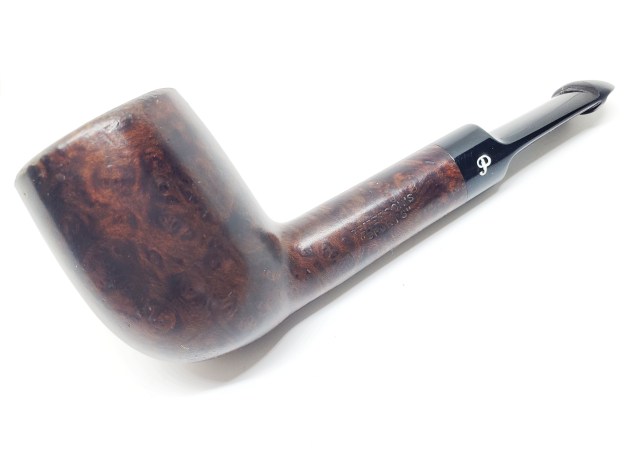
Recently, a member of the PipesMagazine.com forum created a post about acquiring his Great-Grandfathers’s Peterson Sports pipe, from his Grandmother. His Great Grandfather passed away in the mid-1980’s and some of his pipes were passed to his Grandfather (who was also a pipe smoker). I volunteered to restore the pipe and just finished it.
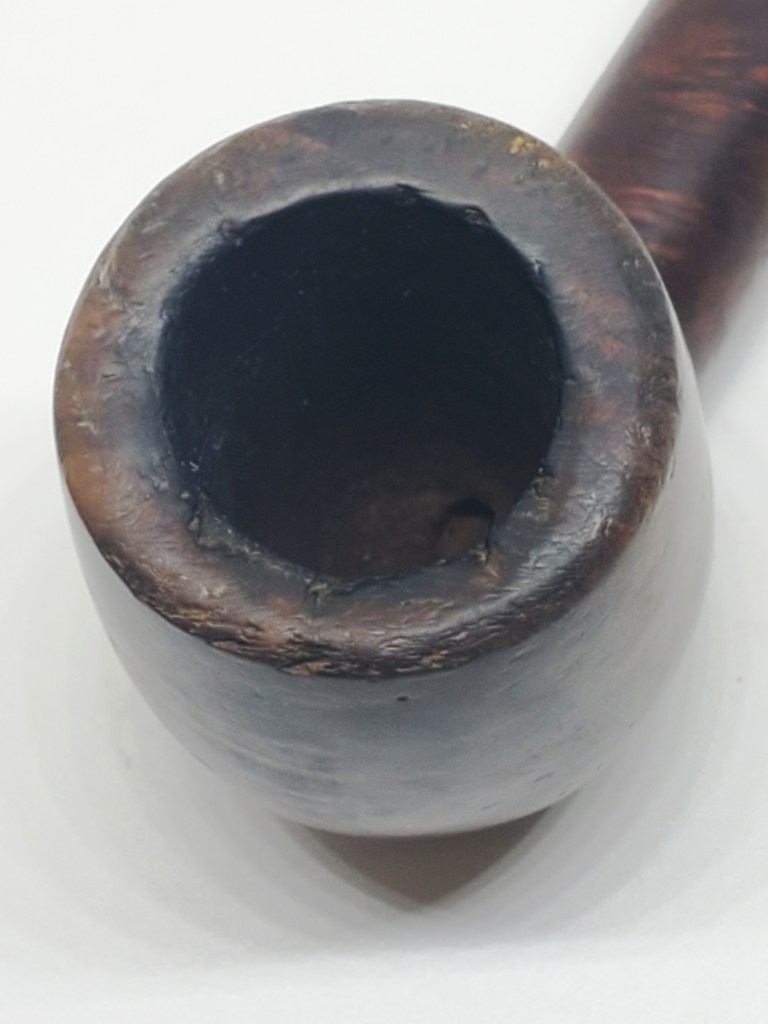
This gentleman, from rural Alabama, smoked primarily drug store pipes, like Whitehall, Yellow Bole and Dr. Grabow. But, he must have had access to a decent shop, or a drug store that carried a little more expensive lines as this Peterson was no doubt a larger investment. The forum member didn’t know what type of tobacco he smoked, but we assumed over-the-counter blends, like most rural pipe smokers. He worked this pipe very hard, the cake consumed nearly all of the bowl, and he apparently knocked the ashes out on any convenient wall. Amazingly, the stem was in very good condition. His other pipes had stems that had teeth damage, which to me, is another indication that this pipe was something special.
The Sports line isn’t mentioned in Mark Irwin’s book, but I was aware that Peterson reissued the line in 2014. Mark had a blog entry on his excellent Peterson Pipe Notes blog, shown here:
https://petersonpipenotes.org/tag/peterson-sports-pipe/
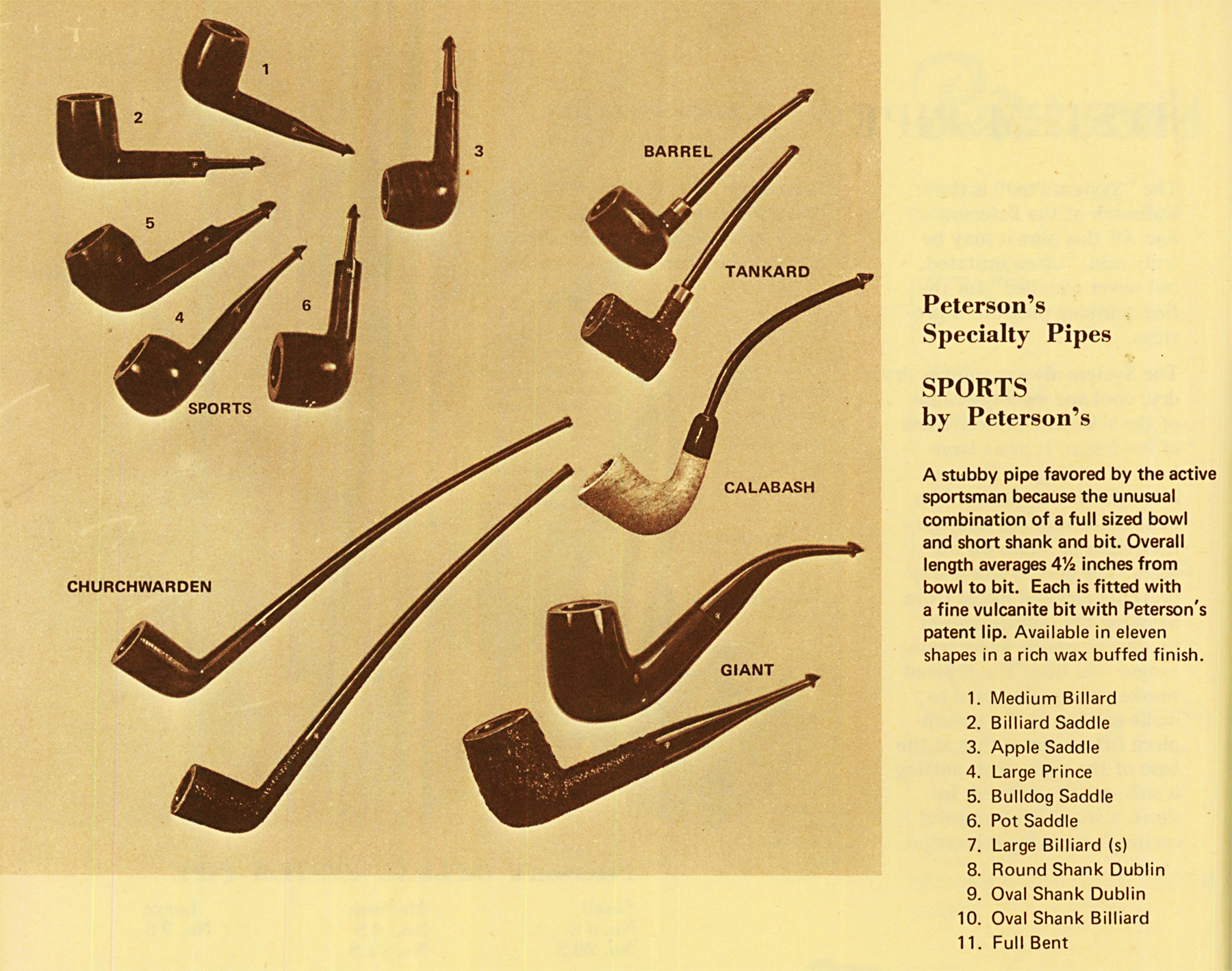
I learned from Mark’s blog entry, and communication with him, that the Sports line was introduced in 1946, but not well known in the states until the 1970’s. It’s difficult to pin down when this pipe might have been purchased. Mark suggested the 1950’s or it could be even as late as the 1970’s. Mark shared that the “SPORTS” pipes are listed at $11 in the 1973 Associated Imports Price list. I’m guessing that a Dr. Grabow or similar might have been around $2-$3 in that era? Mark also sent me a 1973 catalog page from Associated Imports, that shows the complete line of shapes and a description. You can see the #2 Billiard Saddle.
This gentleman was so hard on his pipes, that I speculate this one had to be from later in his life, or it wouldn’t have survived. I wish these pipes could talk and we could get the whole story.
In conversation with the owner, I suggested the bowl only be cleaned. I do not like topping, or otherwise trying to remove the dents and dings of these kinds of pipes, that have sentimental meaning. All those scars were well earned and I think important to retain on a family heirloom. The owner agreed and I proceeded
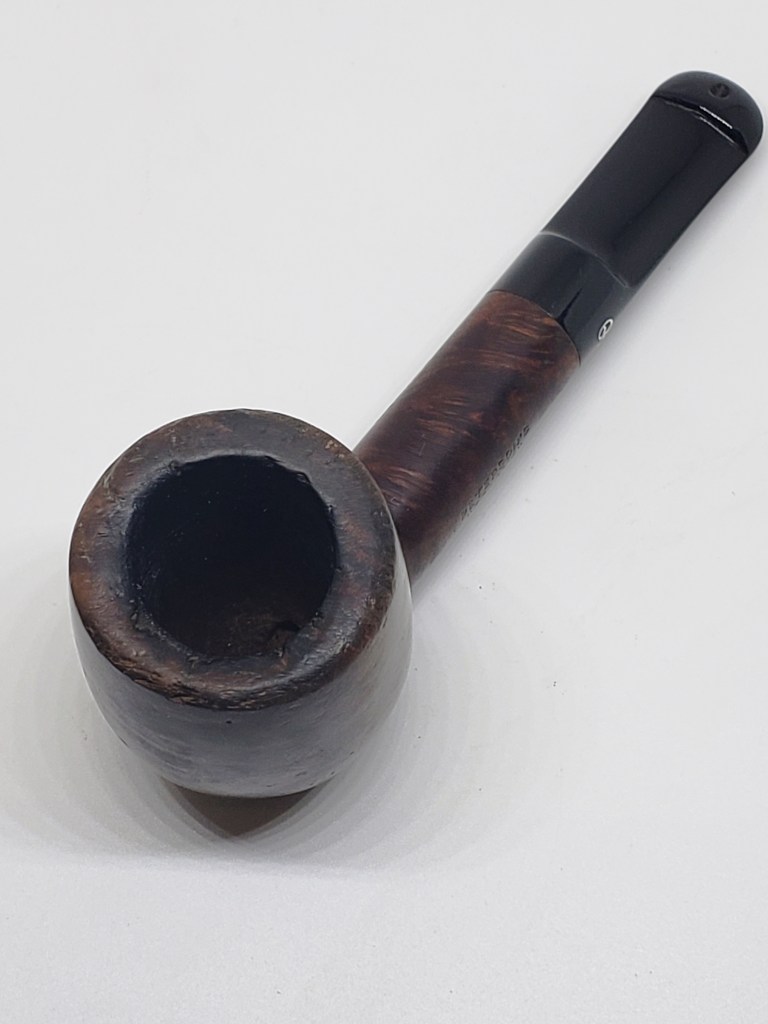
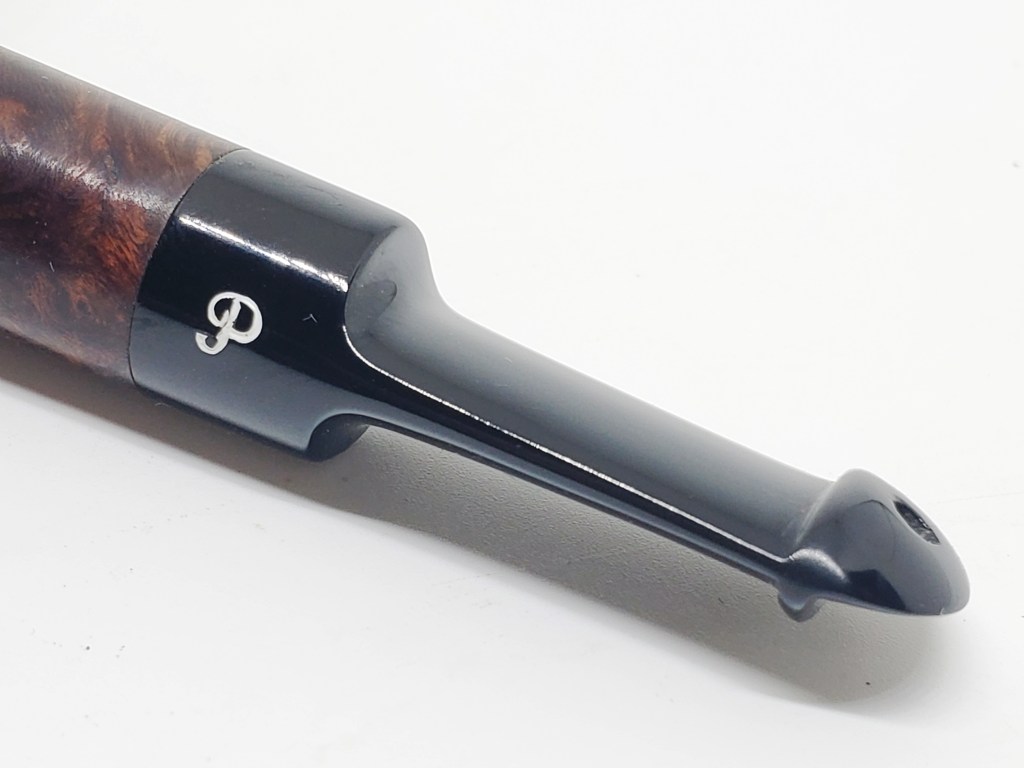
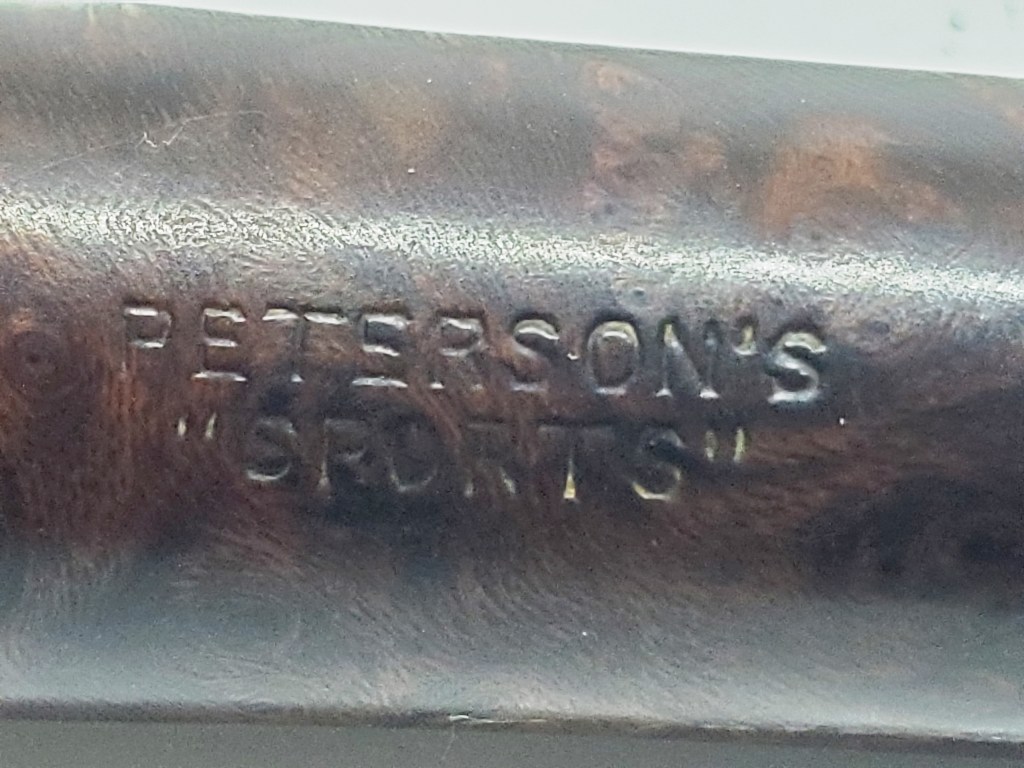
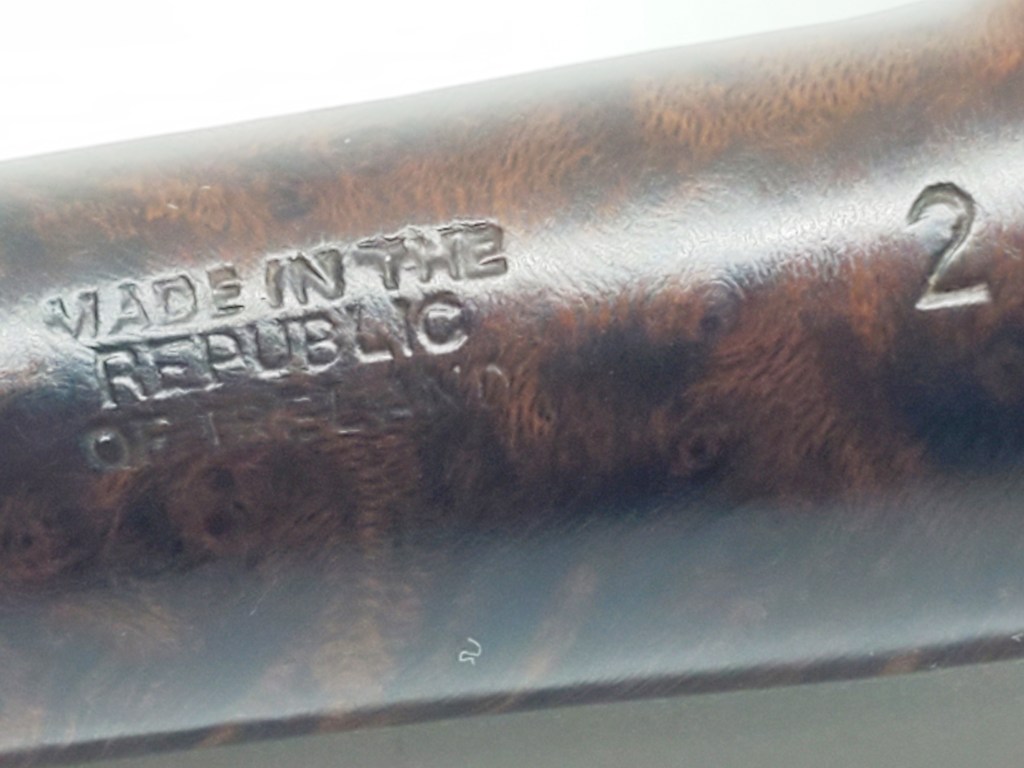
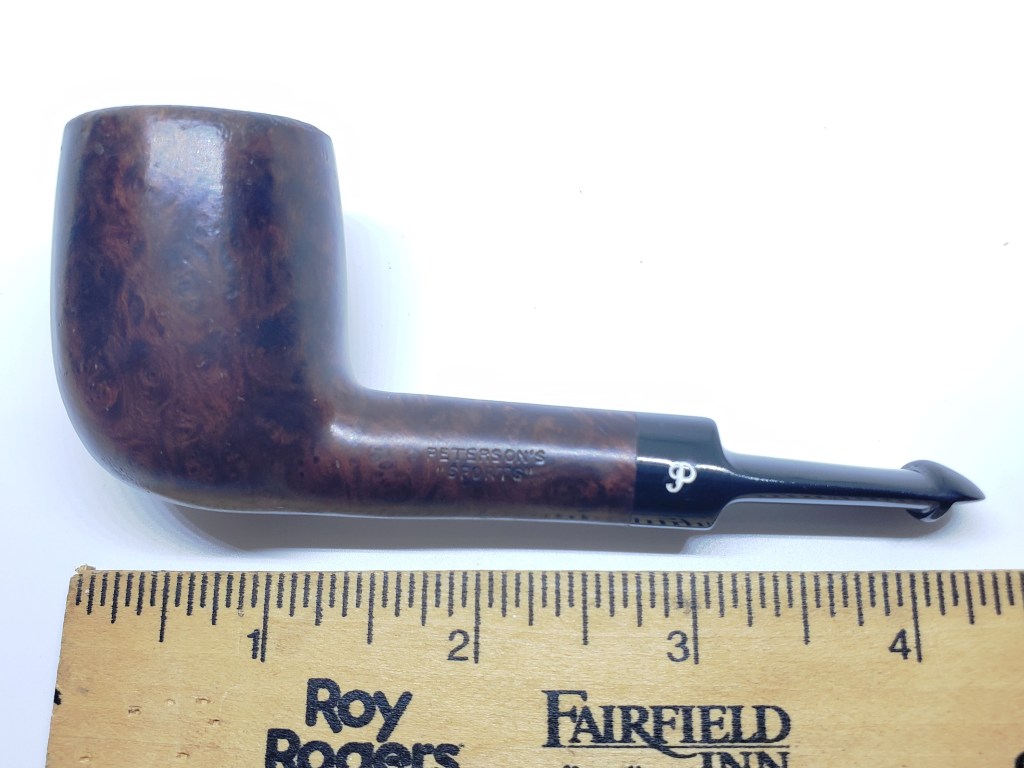
The pipe had the aforementioned cake. The nomenclature was nice and crisp. The stem was very tight, but I suspected the shank just needed to be cleaned of residue. The P stem stamp was nice and deep, I knew it would restore nicely.Below is the pipe as it was received:
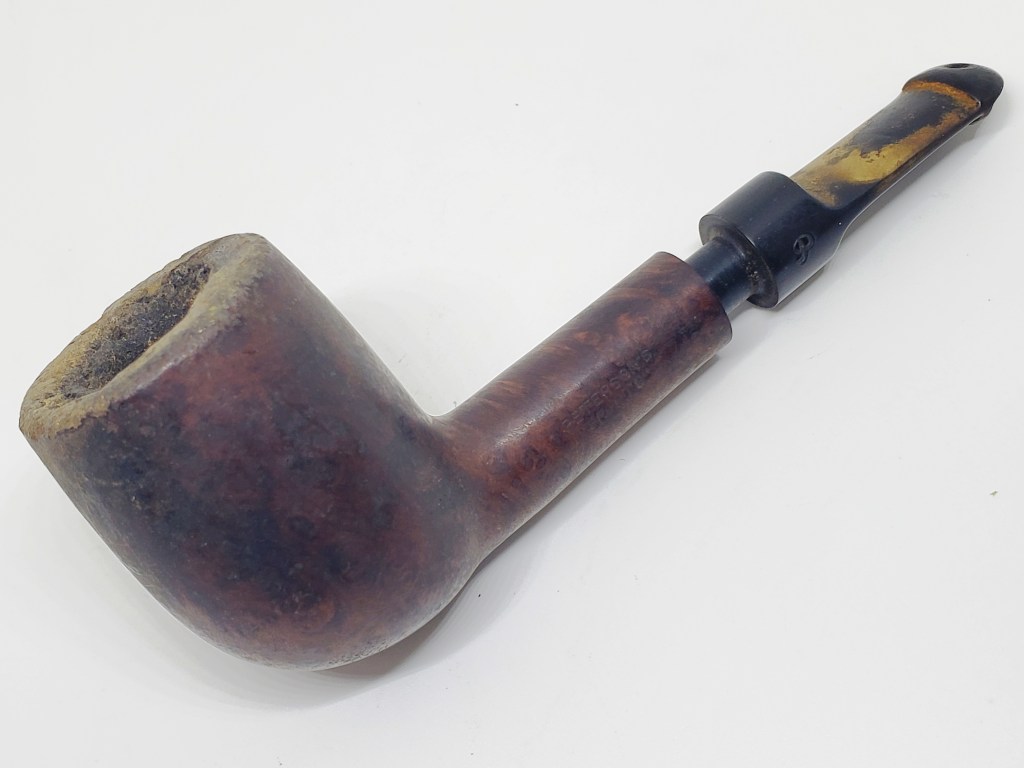
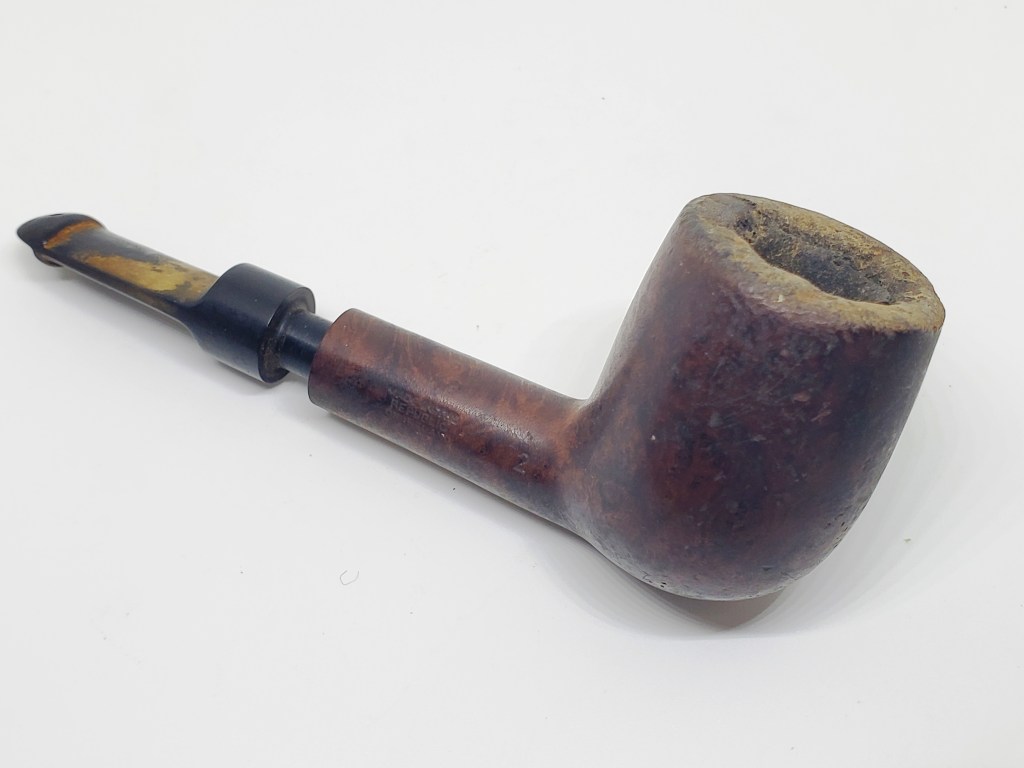
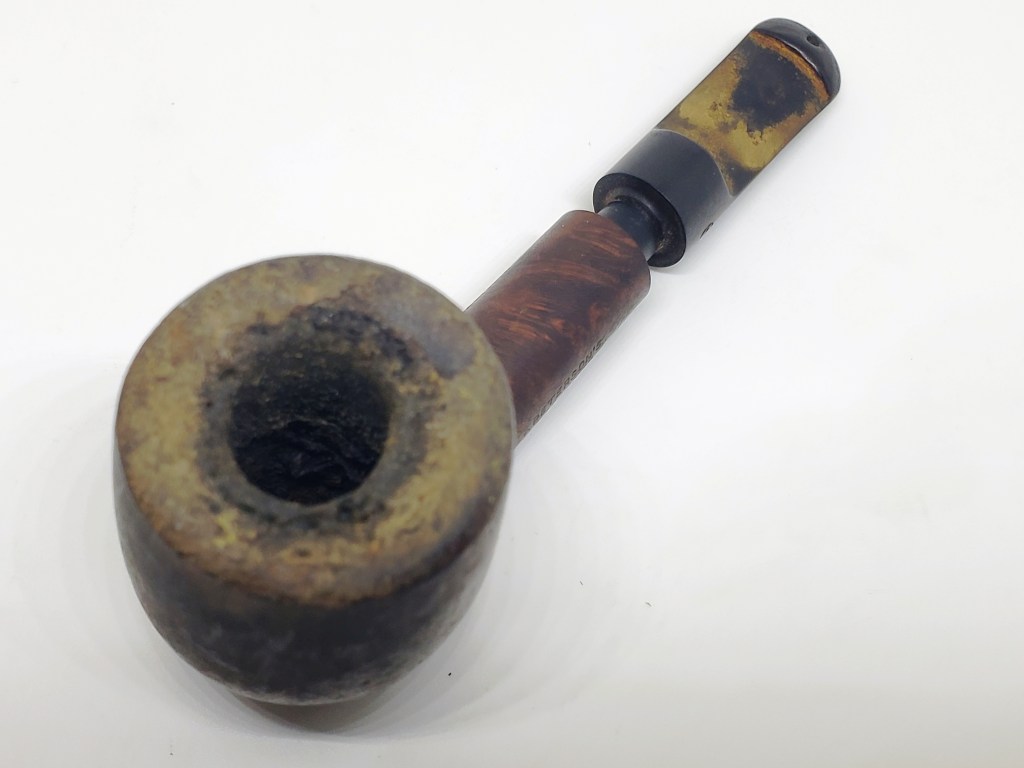
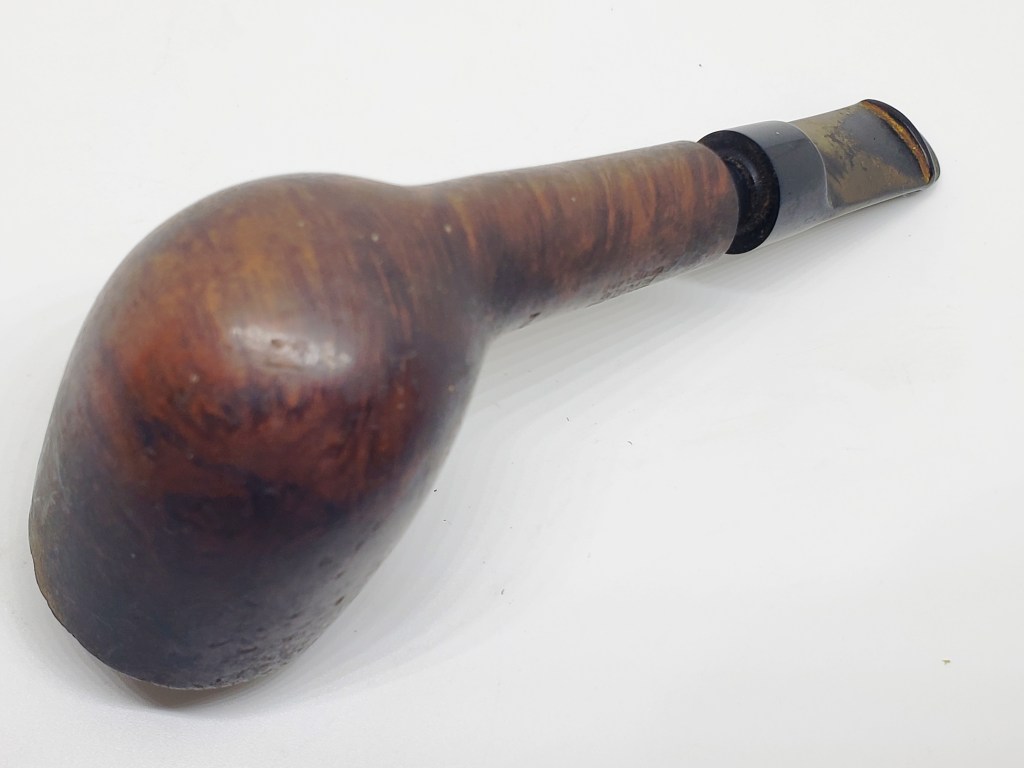

I used a piece of worn scotchbrite to remove the overflow on the bowl top. I stopped here, and communicated with the owner if he wanted to me to go further (top it, etc.) I was glad he wanted to retain the scars. I sent him the bowl photos below. I reamed the cake with my Castleford set and found the bowl to be in great shape. I told the owner he would have no issues smoking it.
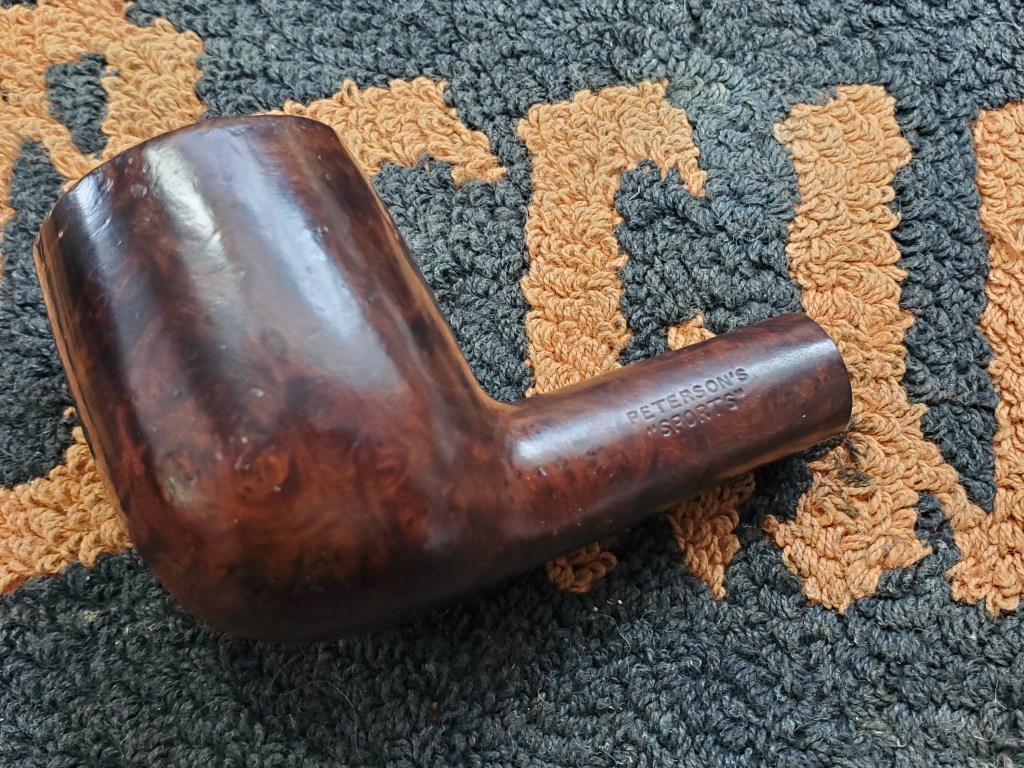
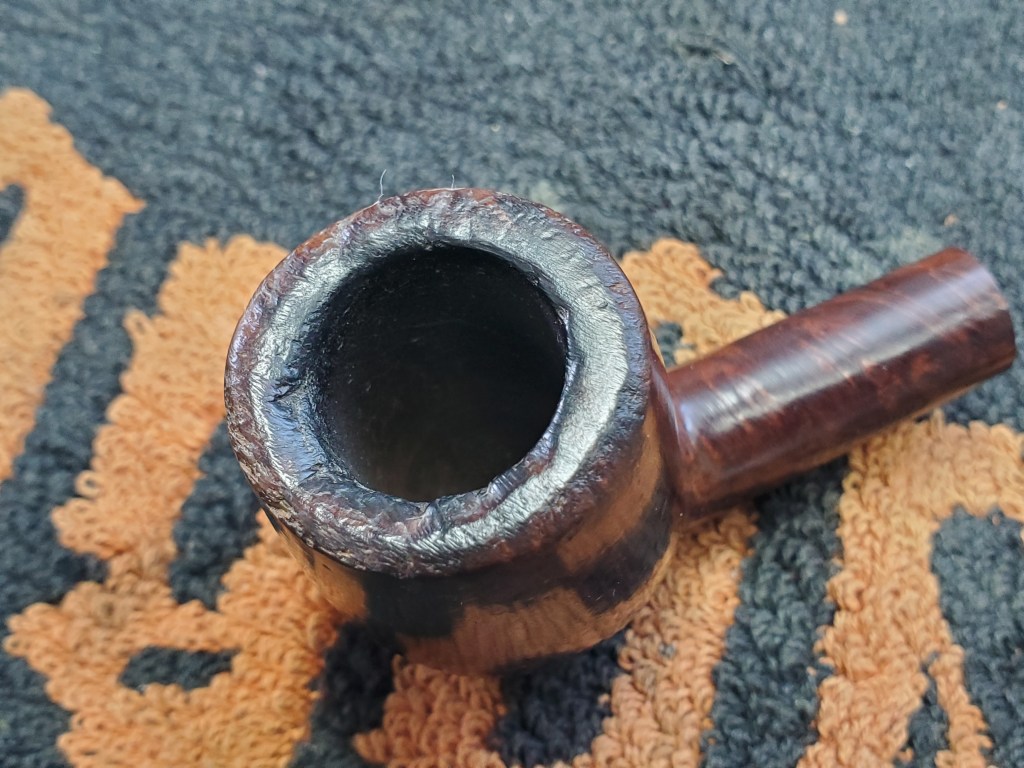
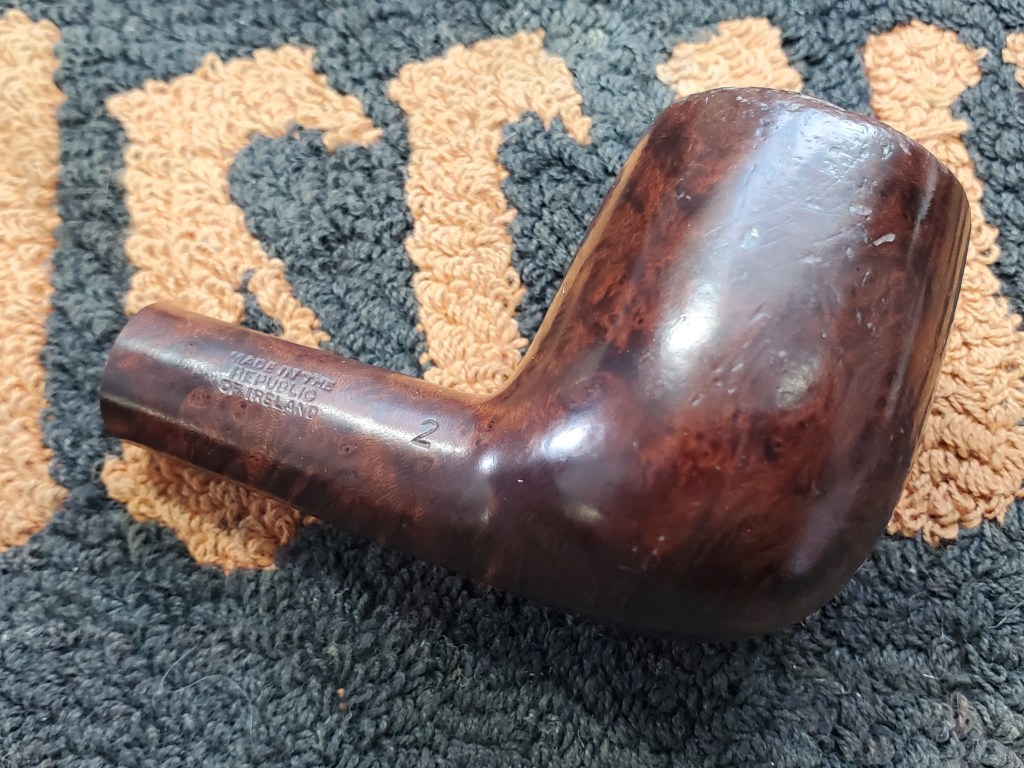
I soaked the bowl with alcohol and sea salt. Following the soak, the shank was scrubbed with a bristle cleaner dipped in alcohol, until it came out clean.
I mounted the stem and removed the light oxidation with 600, 800, 1500 and 2000 grit wet paper. I used some white acrylic nail polish on the P-stem logo. The key is to let it dry and harden overnight. The excess was buffed off with micomesh. I then lightly buffed the stem with White Diamond and Meguiars Plastic polish. The bowl was given a few more coats of Carnuba Wax.
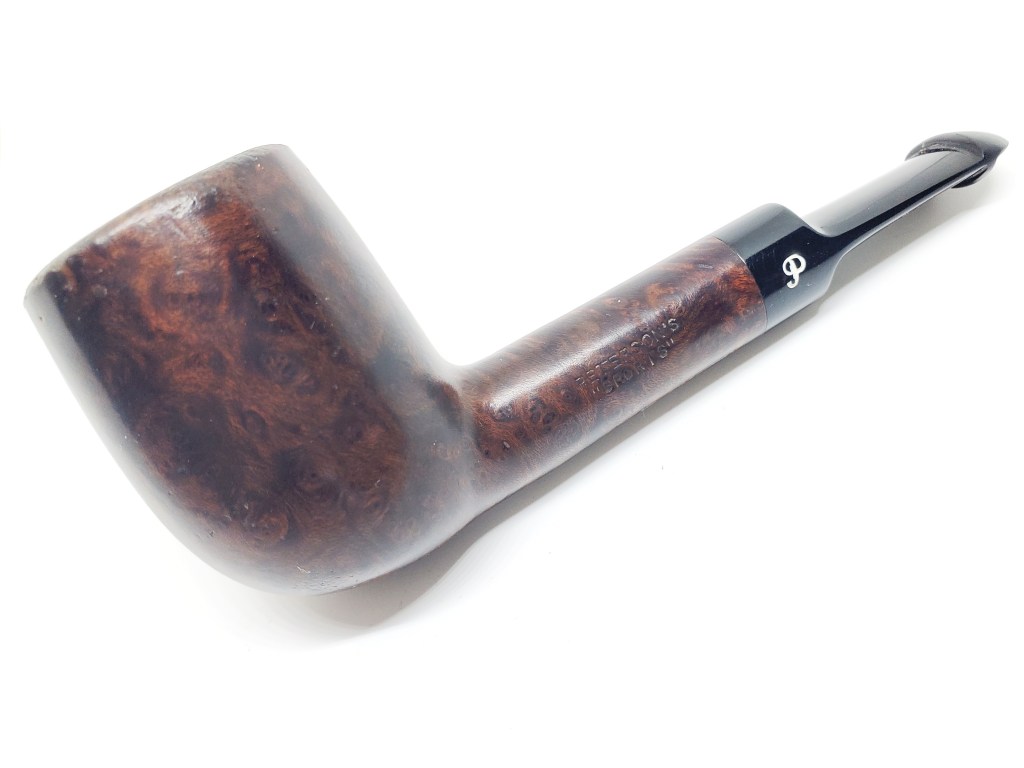
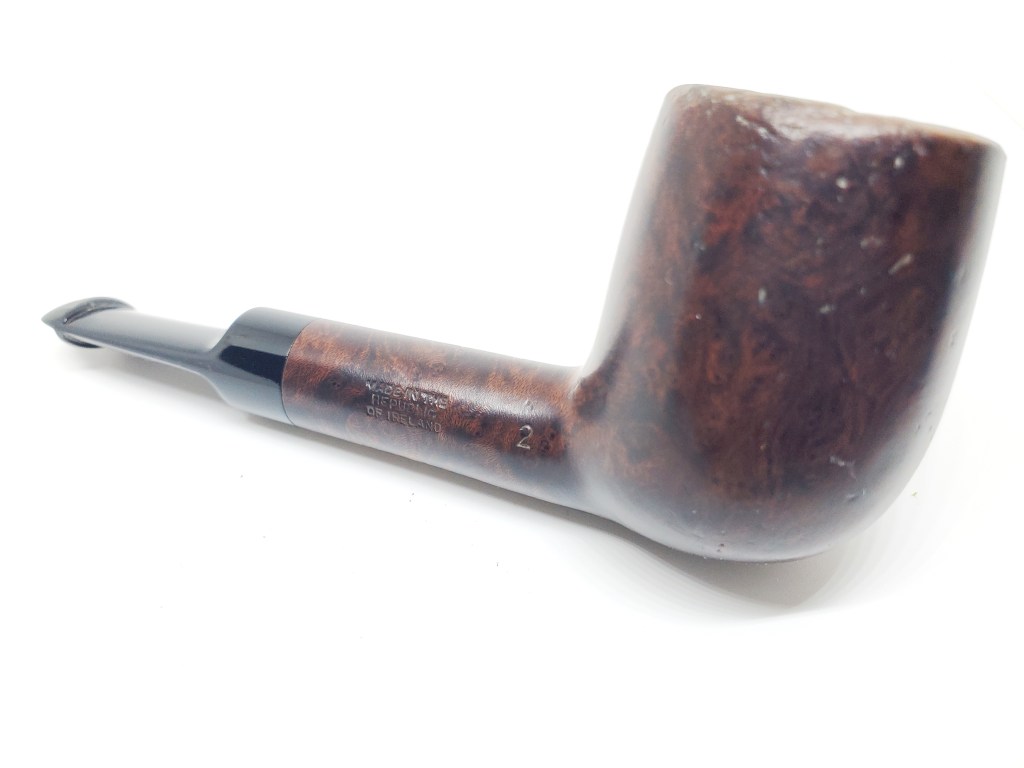
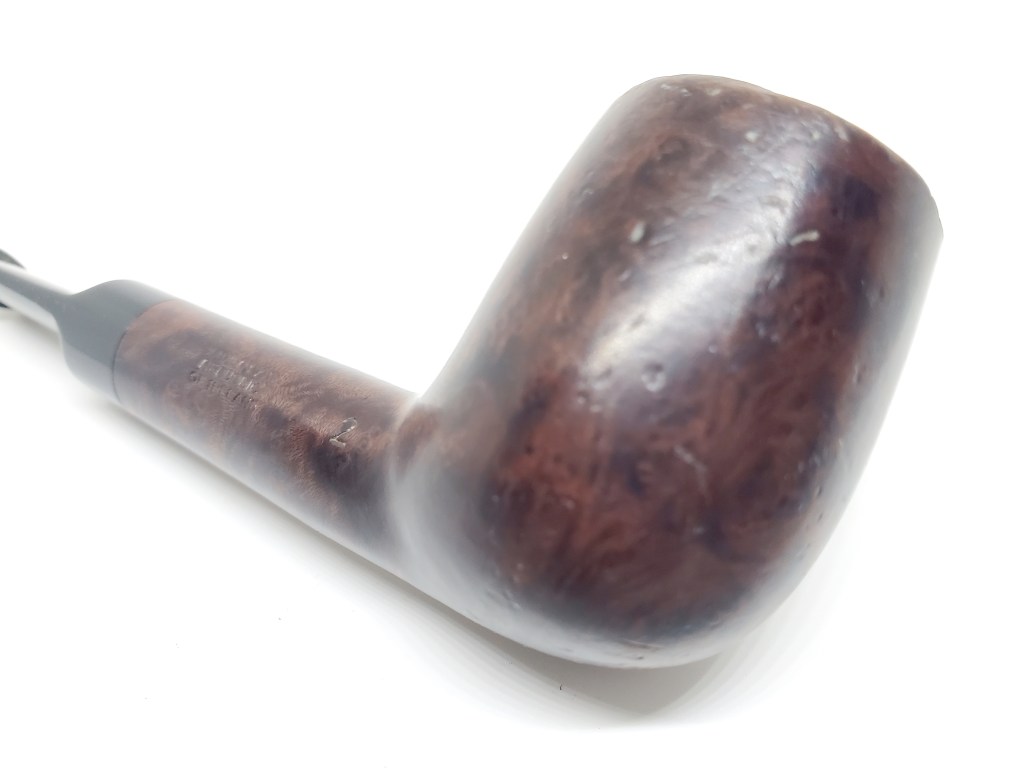
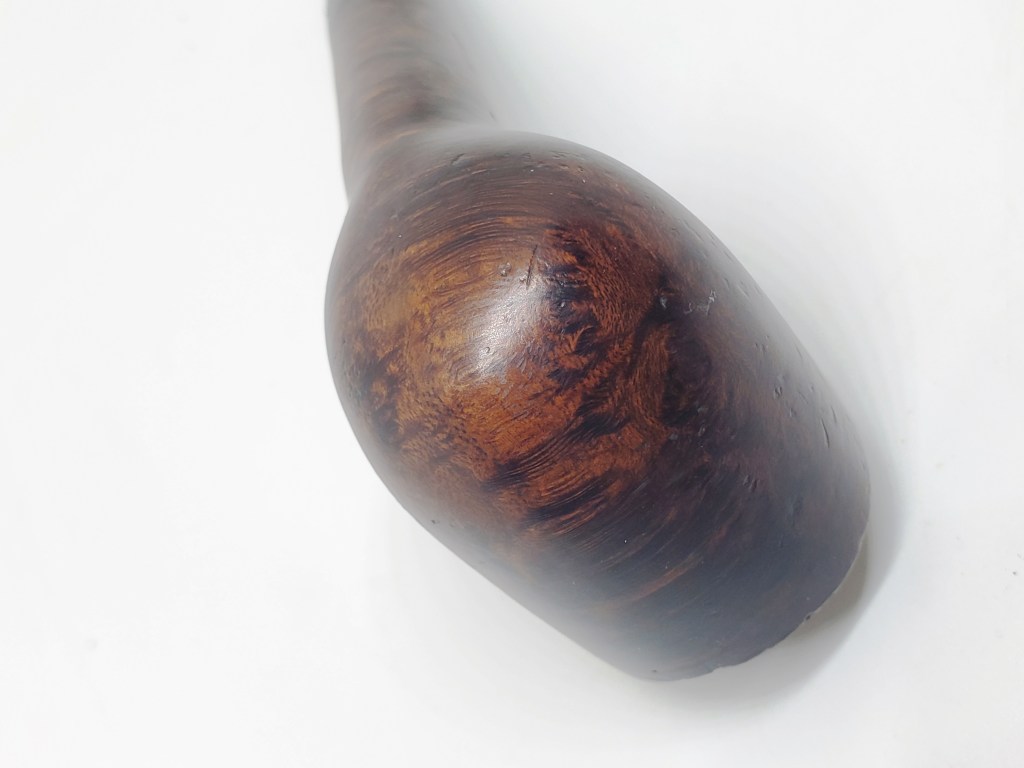
Below is the finished pipe, ready for the great grandson to enjoy and perhaps pass onto his son.
I really enjoy working on pipes like this, that have a family history.


 rebornpipes