
Today I finished restemming a GBD 9438 with a new tapered stem. The original saddle stem was unrepairable. I removed the rondelle from that stem and studied how it had been installed. From the appearances of the stem it looked like it was heated and pressed into the vulcanite. Once the rondelle was pressed in it was removed and then glued in place. I used a soldering iron to heat and press the rondelle into the vulcanite. I placed it on the surface of the stem where I wanted it to end up. I measured the distance from the shank stem junction on the original stem and set this one in the same place.
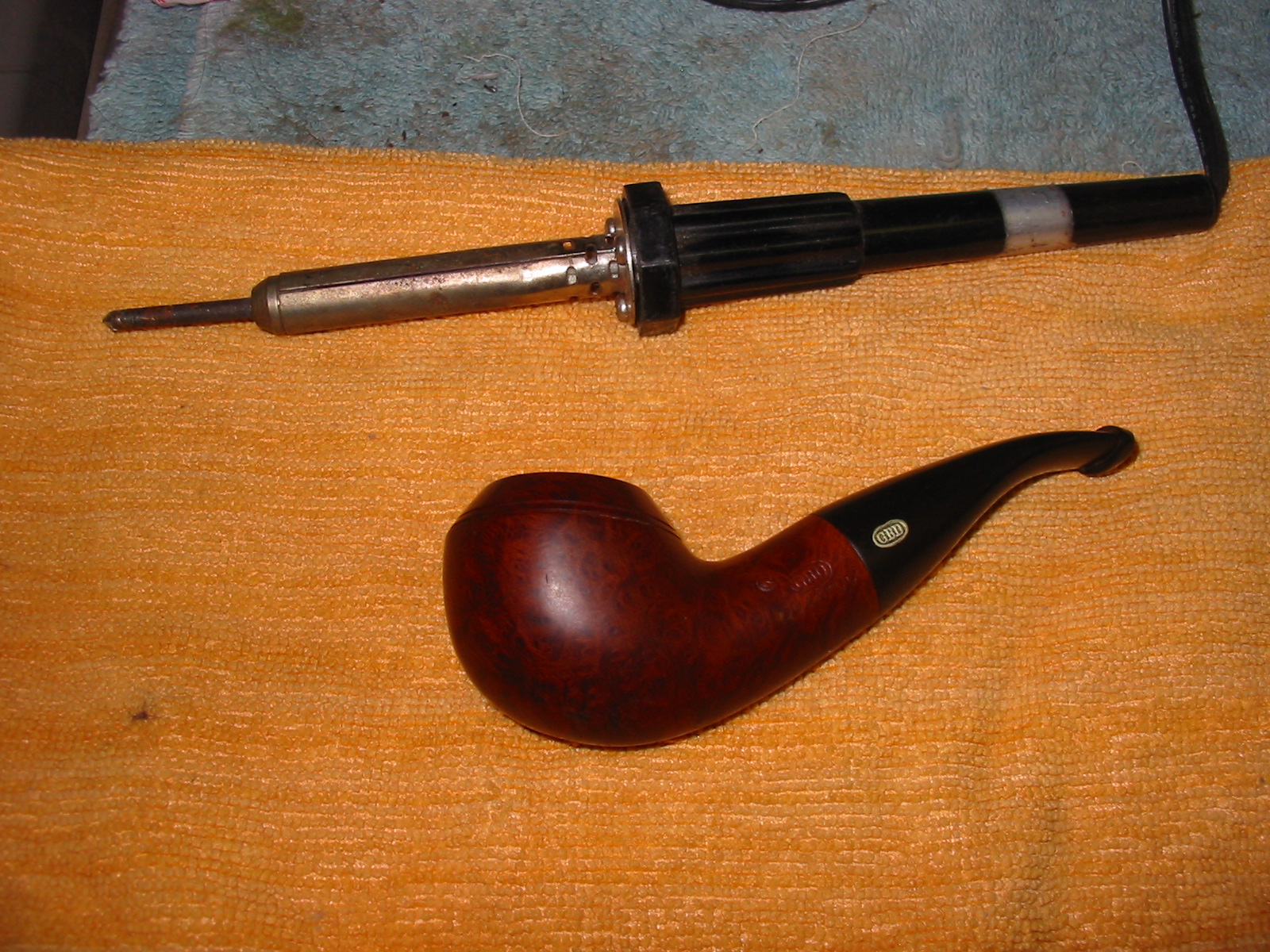
I plugged in the soldering iron and pressed the tip into the rondelle. I pressed it against each of the ends and the middle until is sank into the surface of the stem. Once it was set and the oval was marked in the stem I took it back to the work table to glue it in place. I lifted it from the stem and used a two part epoxy to glue it in place. I put a spot of the glue mix into the oval divot on the stem and pressed the rondelle into place.
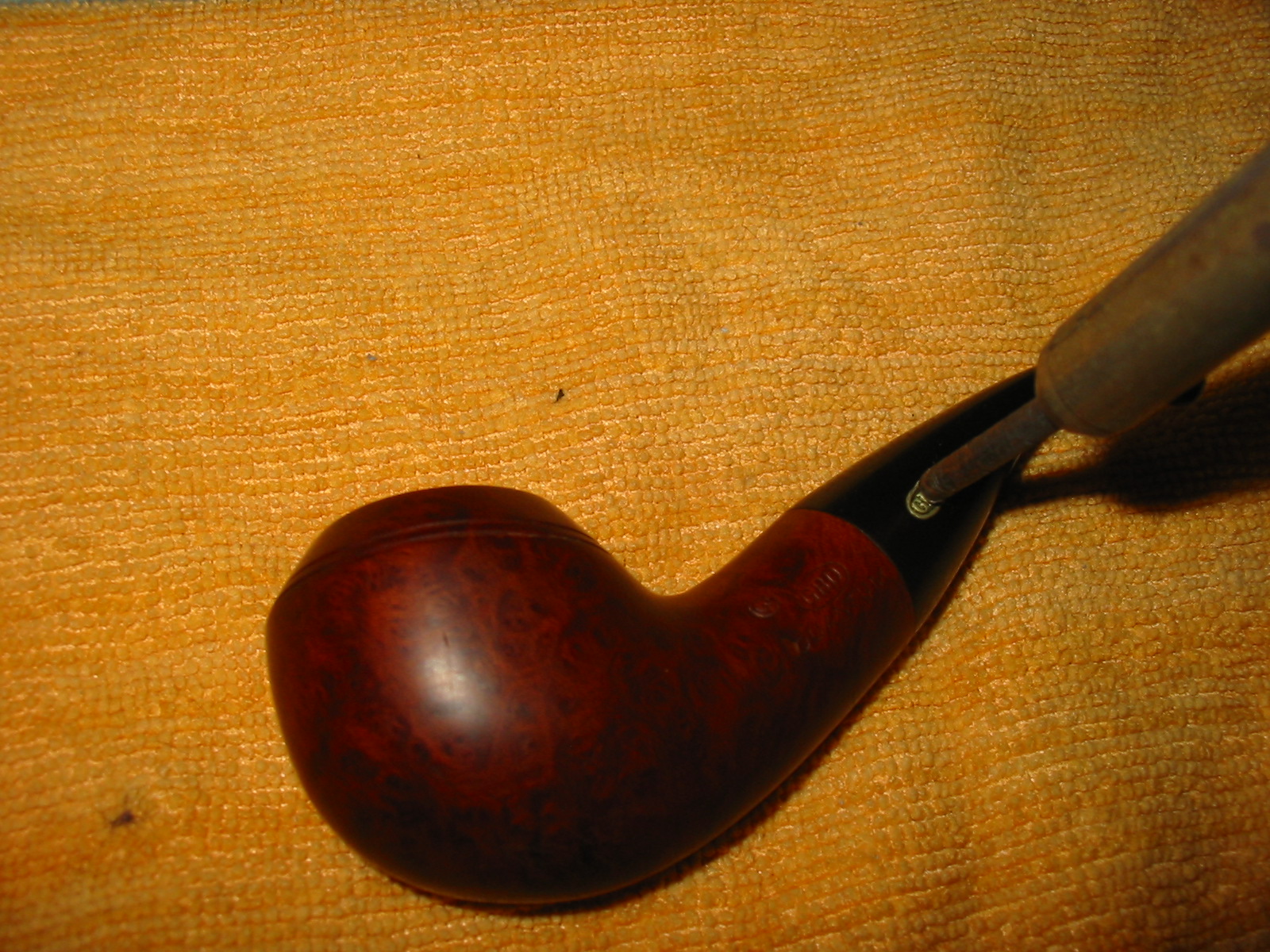
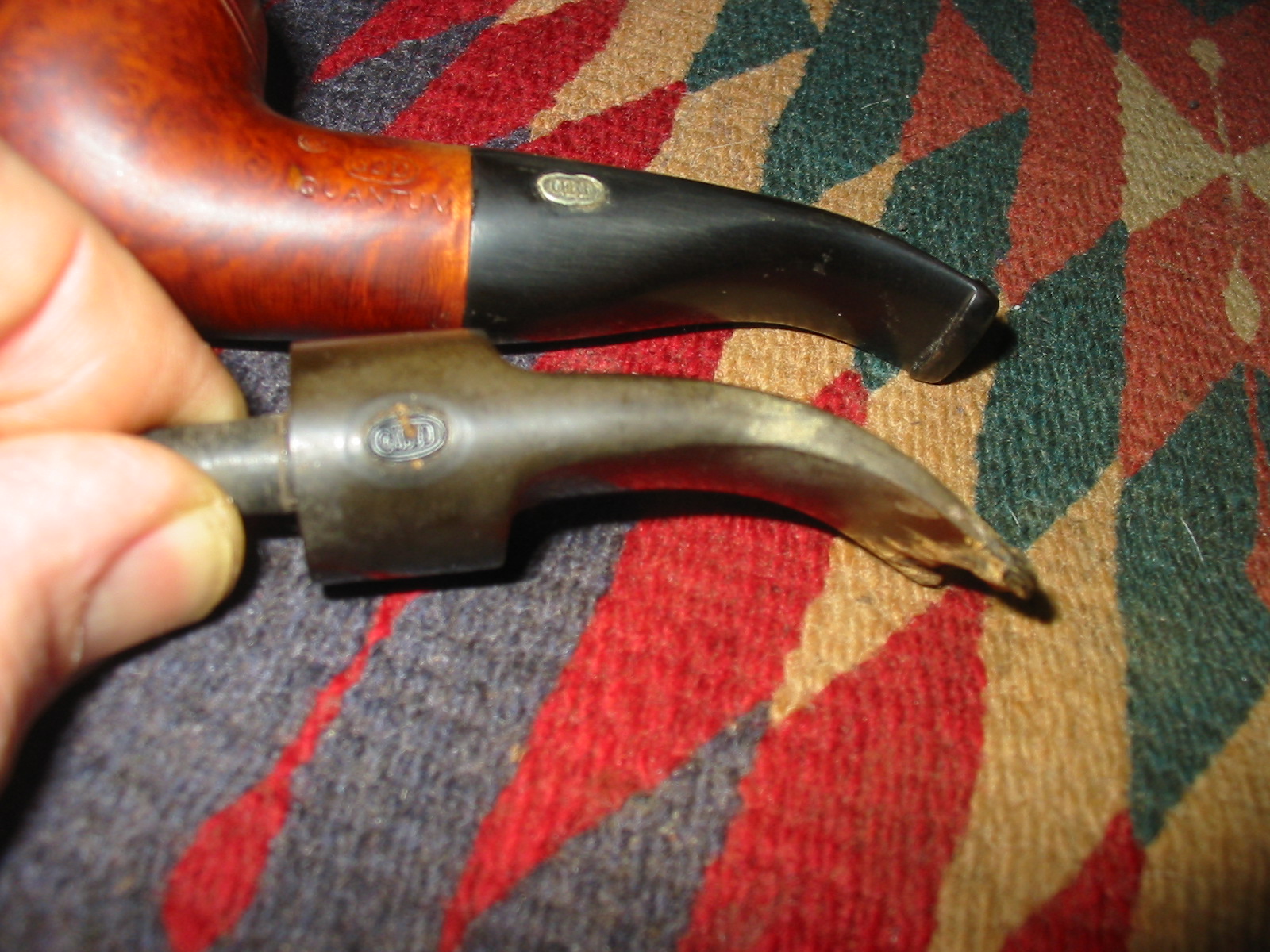
When the glue had set I sanded around the rondelle with micromesh sanding pads from 1500-2400 grit. I wanted to smooth out the vulcanite around the rondelle and shine the stem again. In the photo below I have included the original stem to show the pressed divot of the rondelle in the vulcanite. The GBD letters were pressed into the surface and left their mark. The divot under the rondelle on the new stem looked identical to this before I glued it in place.
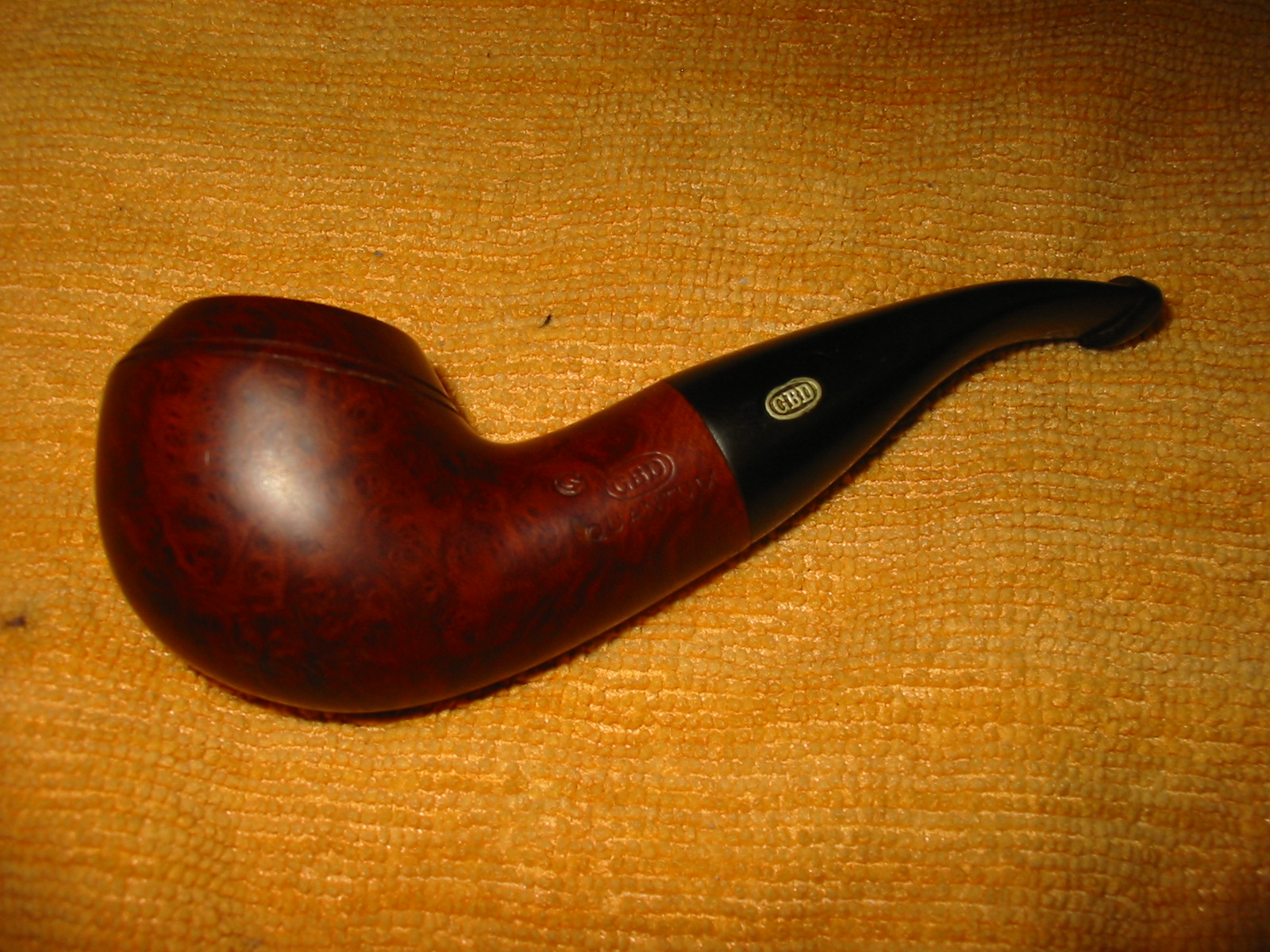
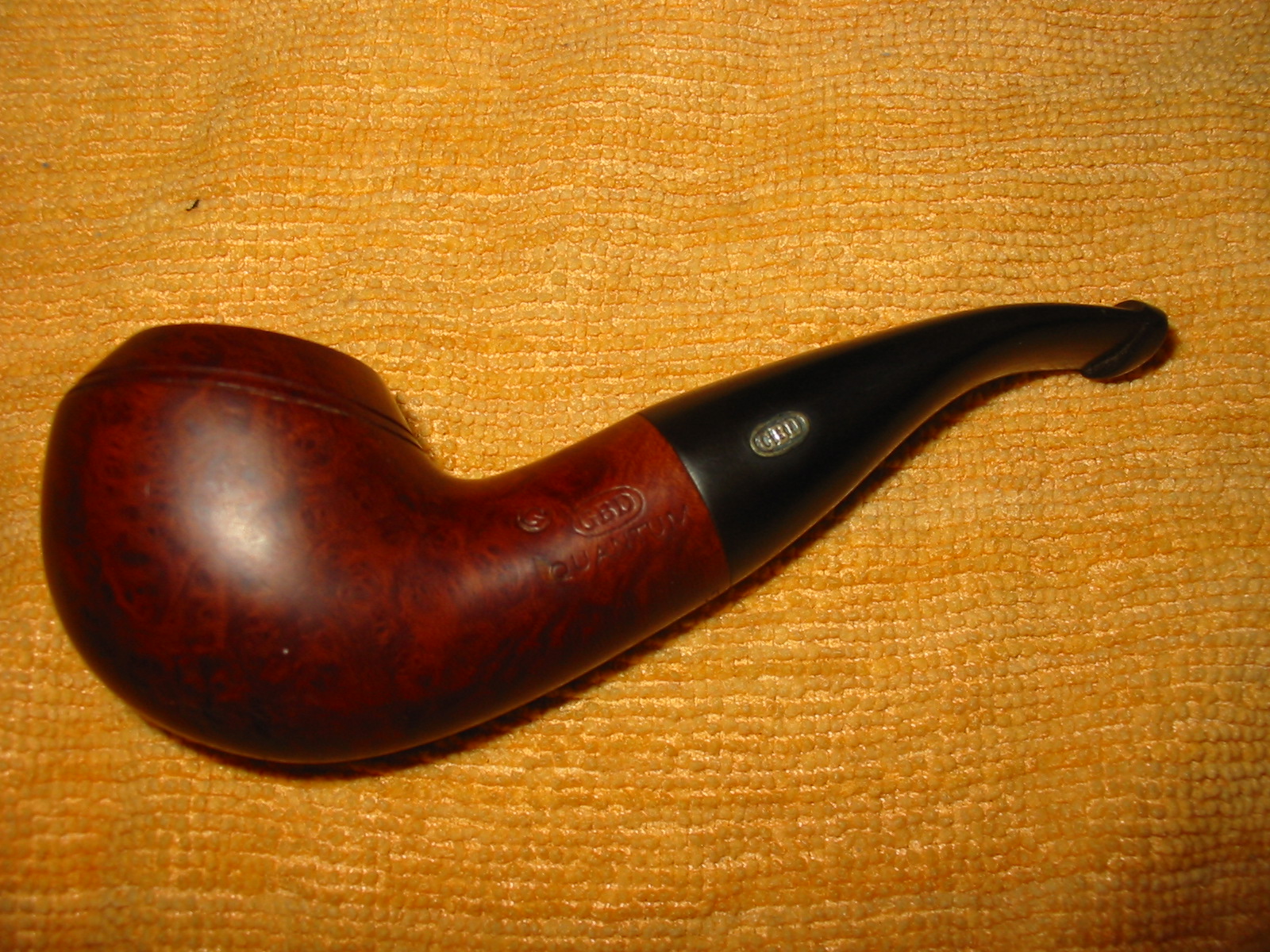
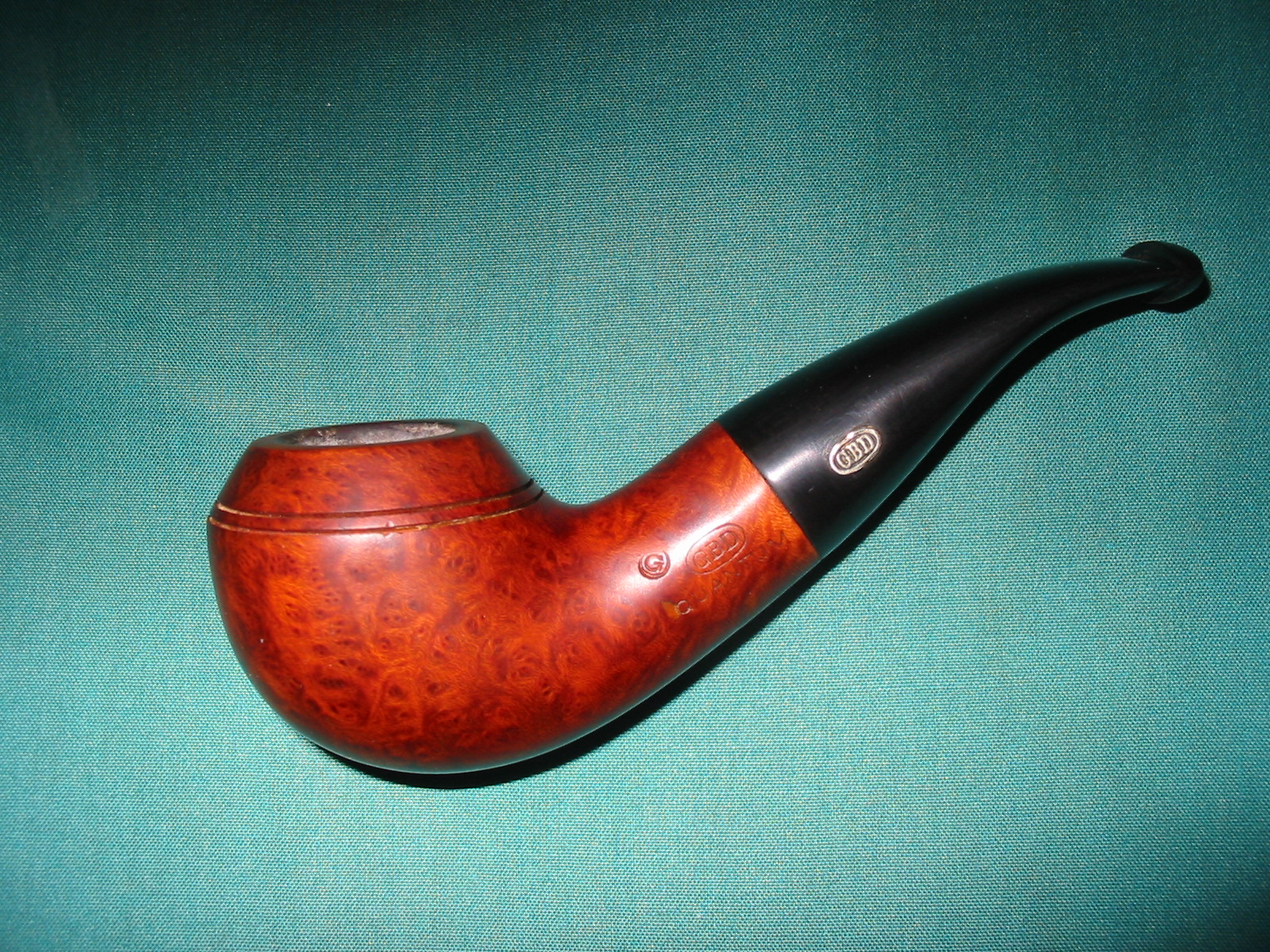
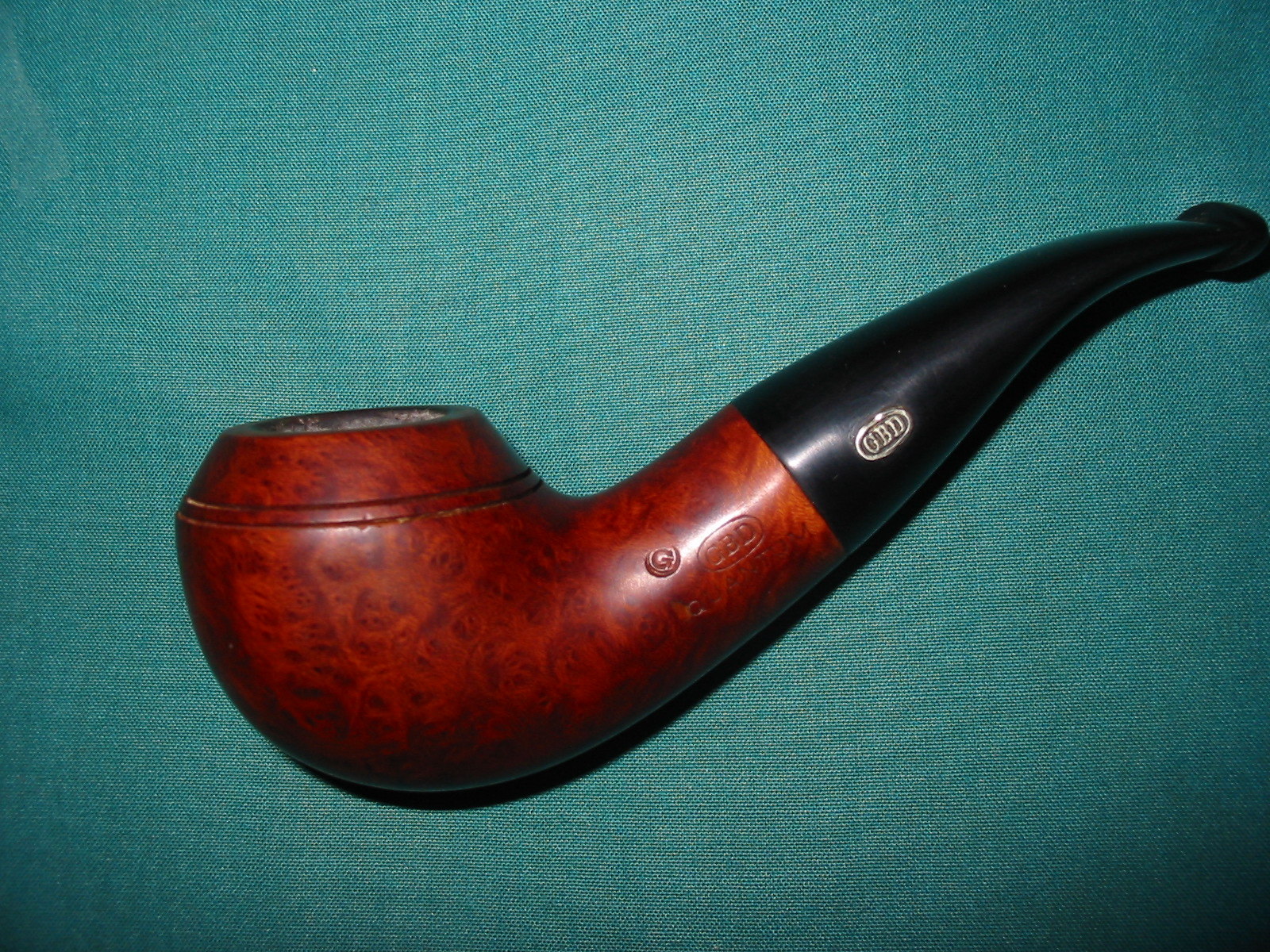
The two photos below show the finished installation of the rondelle in the stem. The fit of the rondelle is approximately the same as it was in the original stem. It is a nice finishing touch to the restoration of this old pipe. Thanks to those of you who commented on the previous restoration article on this pipe and encouraged me to use the rondelle on the stem. I appreciate the suggestions and now will enjoy the finished look of the pipe.
 rebornpipes
That was a fantastic fix with super results! It was also a much simpler fix than any I had previously thought of so I am REALLY glad you did this before I even attempted any of my (hair rained) ideas. Thank again Steve for another great tool-technique to add to our collective arsenals.
LikeLike
Fantastic. That just makes it “right”. This Rhodesian is one of my all time favorites. You did a great job of grafting the old rondelle to the new stem. Thanks for sharing the technique.
LikeLike
I was so looking forward to seeing you have a go at this and the outcome is excellent, I knew you could do it, bro!
LikeLike
Ah yes, perfect! Now you have a valuable 9242 look-alike, for a cool $10! I forgot to mention in my response to the original essay that you have a rare Cadogan era GBD that had the brass rondell. The “Made in London” “England” round stamp was used after the merger in 1981. I always suspected that pipes with that stamping and the brass rondell must have been made early in the merger most likely until the supply of brass rondells was exhausted. Pipes made before the 1981 merger were stamped “London, England” in a straight line. Cadogan era pipes also have line names not commonly seen and odd letter stamps. We should do a collaborative 9438 essay, I think between use we have 10 plus pipes (I own 8).
Mark: Yes, on many Ebay GBD’s the rondell is missing, leaving sometimes a perfect imprint that can fool you in a poor picture. Other times the rondell can get so corroded, it also appears to be a stamp.
LikeLike
Looks fantastic! I like the taper stem over the saddle stem.
I saw a GBD pipe on eBay the other day and the GBD logo looked weird. Now I know that the rondelle was missing and what I saw was the depression left. Love that shape!
LikeLike