
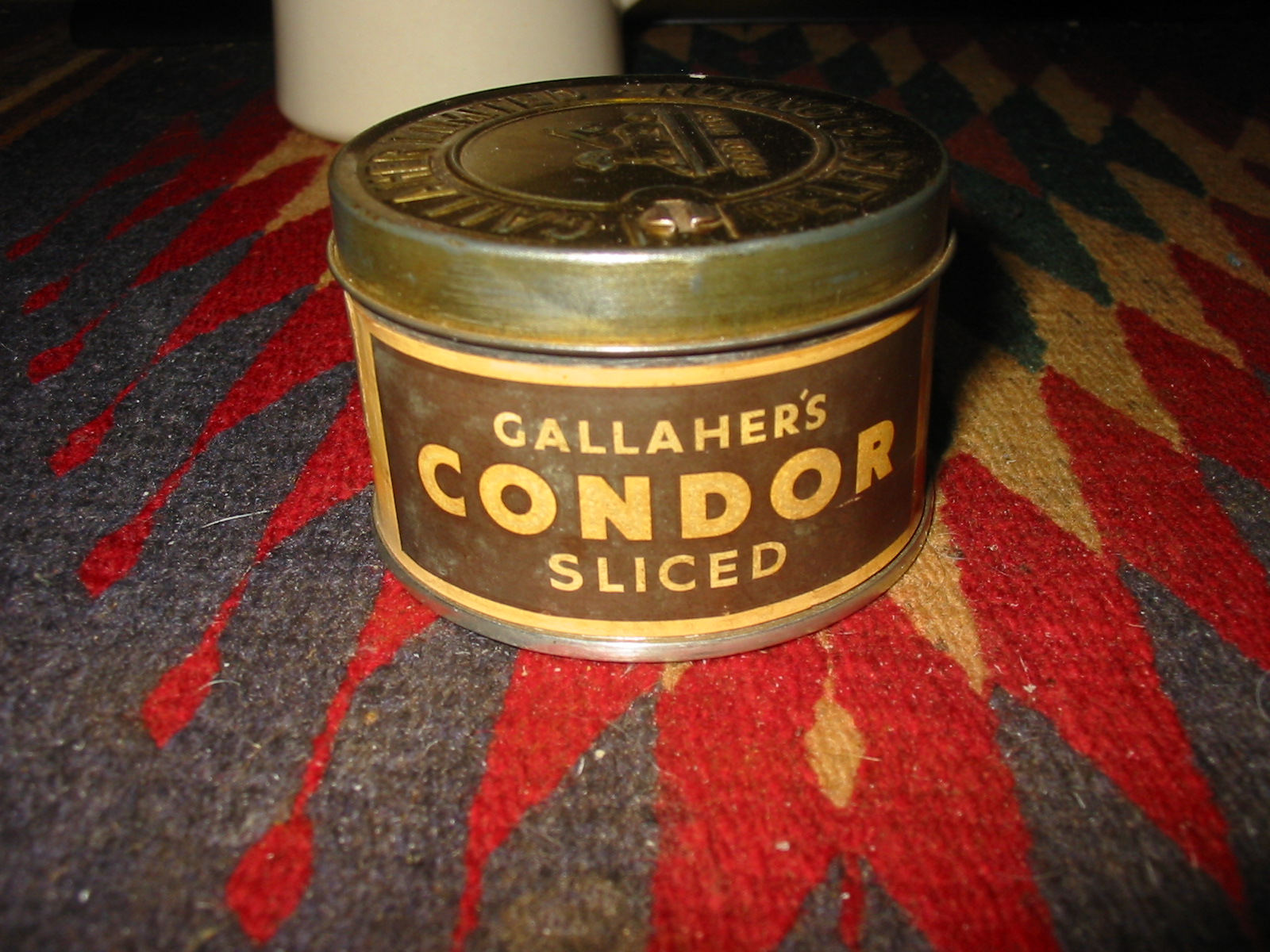
On a recent trip in Northern Alberta, Canada, I visited an antique mall and came across this old unopened tin of Condor Sliced made by Gallaher’s. Once I saw the old tin I had to have it and the price was only $10 so it is now in my collection. I am still not sure if I will open it and smoke it or just leave it as is for its collectible value. The tin is in excellent shape as can be seen in the photos below. The label reads Gallaher’s Condor Sliced on the front and back of the tin.
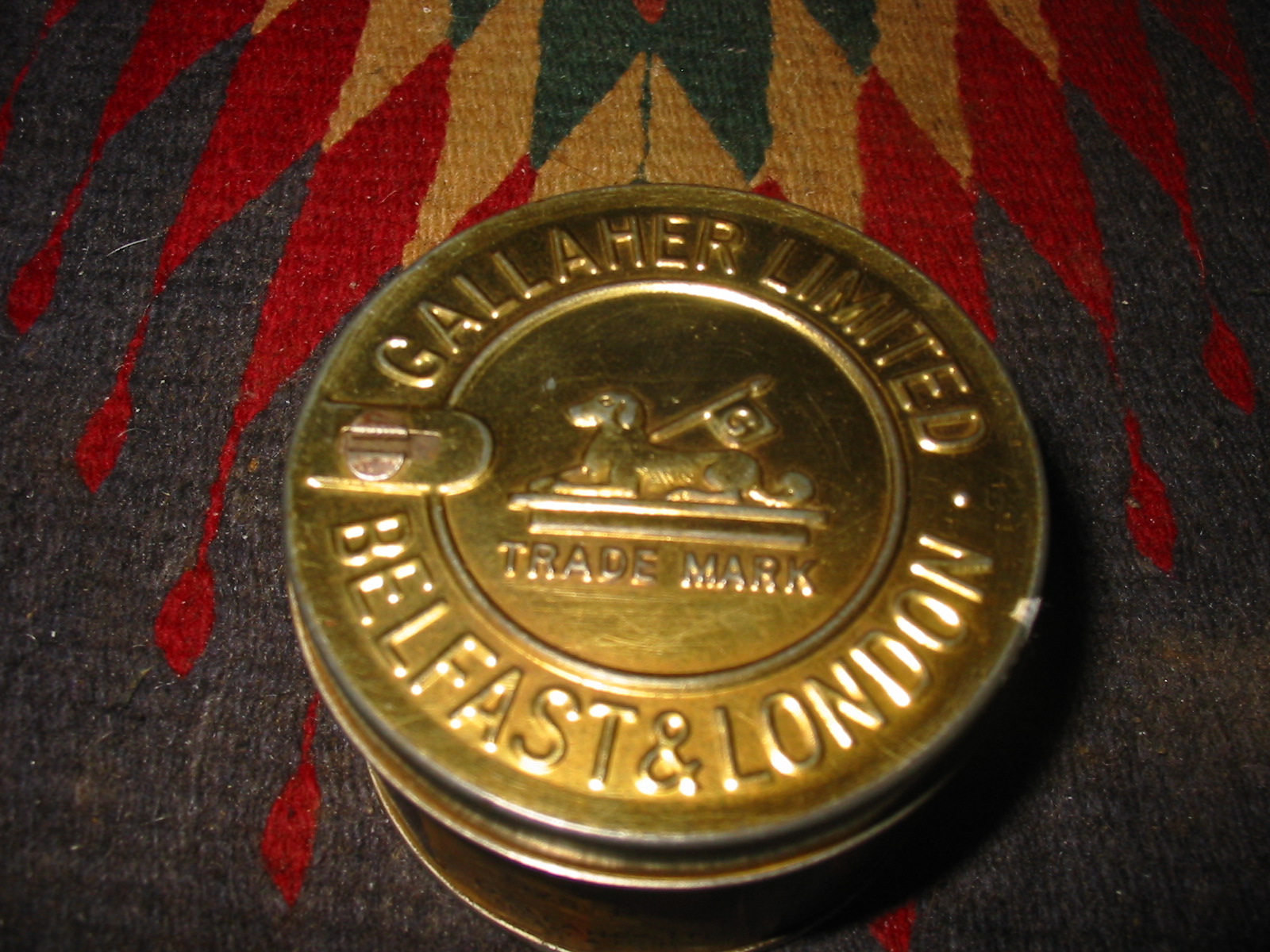
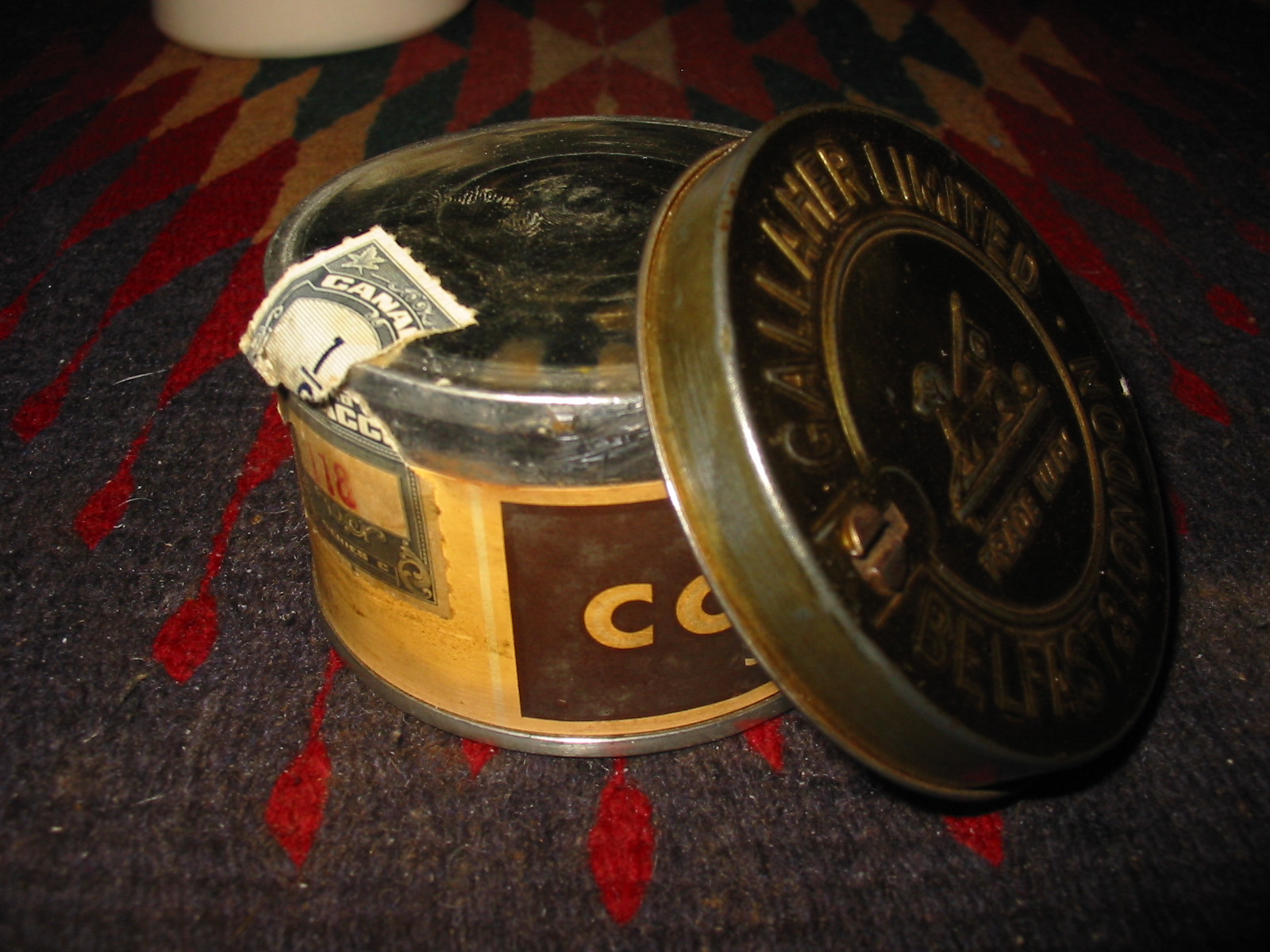
The lid is embossed and reads Gallaher Limited Belfast & London around resting Lion holding a flag over Trade Mark. The lid can be seen in the photo below. There is also a portion of the lid that is to be used to open the tin; it is visible on the left side of the lid.
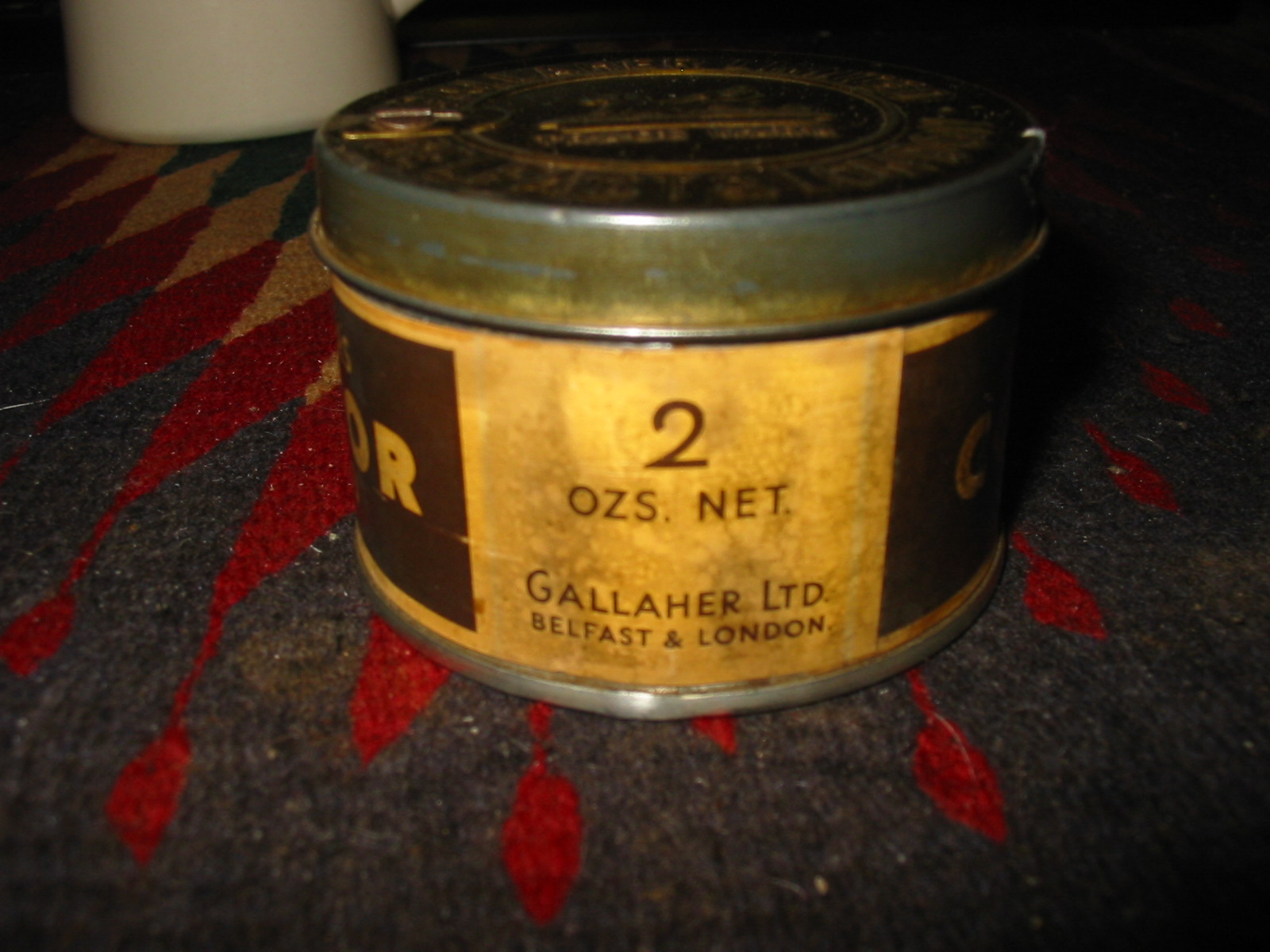
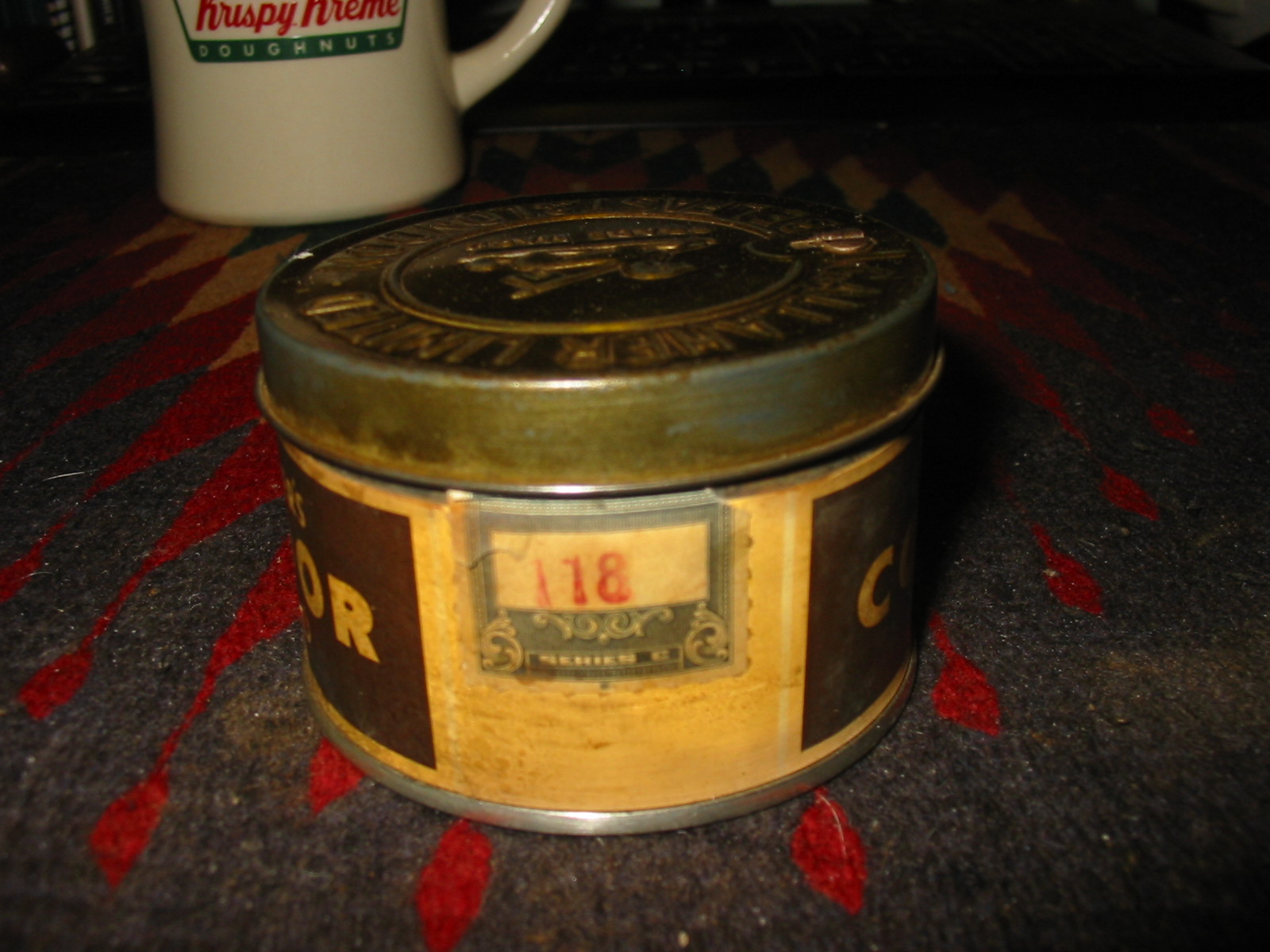
One side of the label is printed as can be seen in the photo below: 2 Ozs. Net. over Gallaher Ltd. Belfast & London. On the other side is a portion of the tax stamp that reads 118 in a box and Series C. This is visible in the next two photos.
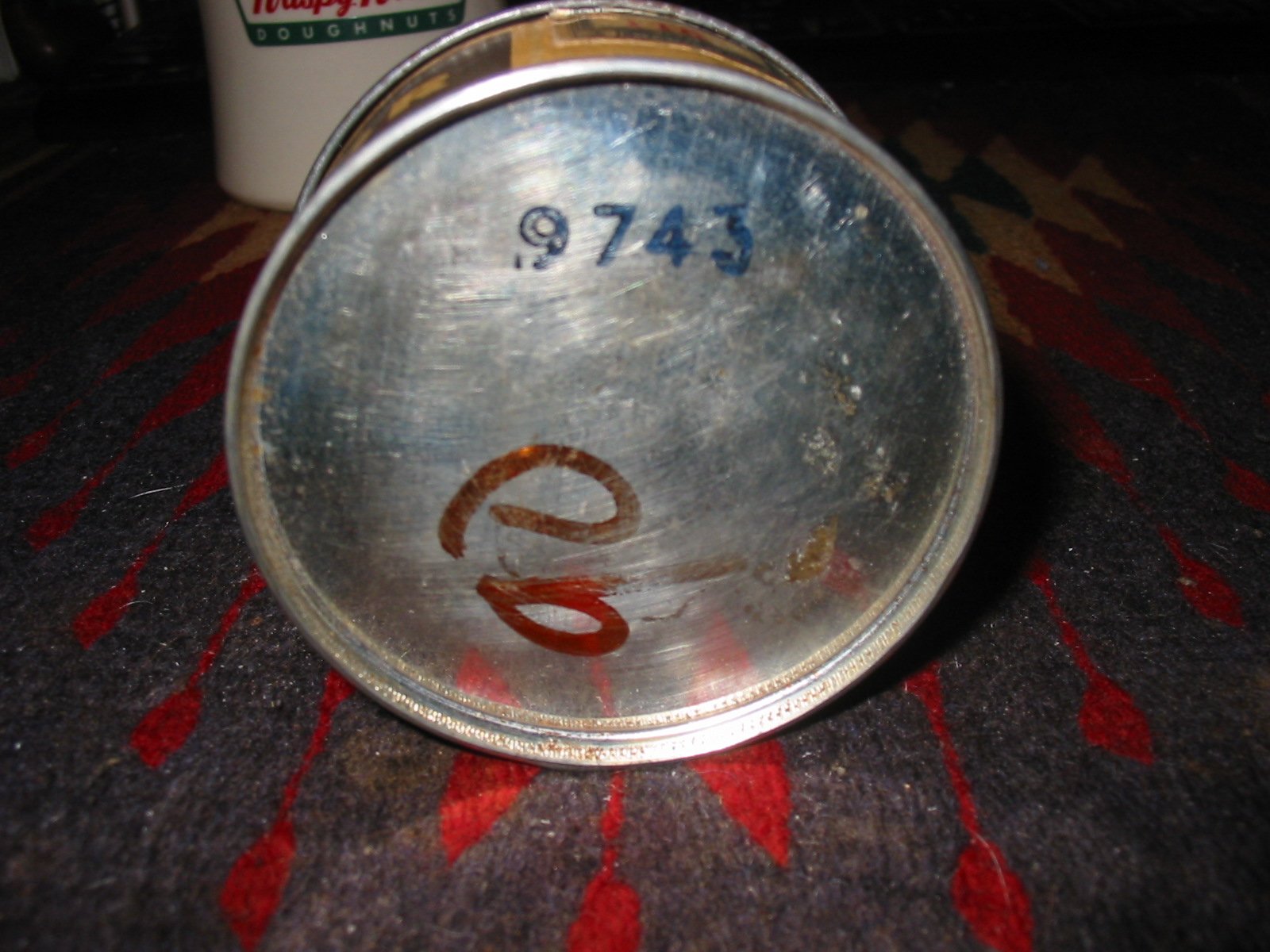
On the bottom of the tin it is stamped 9743. At this point in the search I am surmising that it is a code that can give a clue to the date of the tin. (See photo below)
Upon removing the lid of the tin the remainder of the tax stamp can be seen clearly. It is slightly torn but the stamping is readable. The top banner of the stamp reads Canada and in the box it is stamped 1/9 Pound Tobacco. Now I wanted to know when this tin of tobacco was made. Armed with the information on the tax stamp and the numbers stamped on the tin bottom I began my research to see if I could narrow down the date of manufacture. I began with a search on Google to find information on Canadian Excise stamps or tax stamps. That seemed like a good place to start in the search to date the tin.
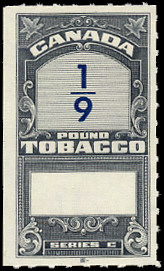
The first thing I found in my Google search was a site that offered unused tax stamps for sale. They had the exact stamp for sale to collectors in an unused condition. The stamp catalogue said that this particular black stamp was rare. As can clearly be seen in the photo below it is a match to the torn stamp in the photo above.
From there I did more research into the tax stamps and found several articles that are available in PDF format by Christopher Ryan. Ryan did an amazing booklet on Canadian Tax Stamps in terms of meaning and history. The photo below is of the cover page of the first part of his booklet on Canada’s Stamp Taxation of Tobacco Products. I read through much of it and in Part 6, I found the pertinent information that I needed. I will summarize what I found out in the paragraphs below.
Tax stamps were issued in rolls of prepaid amounts to the manufacturers of the tobacco products. These pre-stamped amounts were then put on the tins, plugs or packages of tobacco. The stamp I have on my tin predates the doubling of the excise tax in March 1943 when the stamps were over-stamped with a new value allowing purchasers of rolls of stamps to continue to use the older stamps until they were gone. This over-stamping continued until in 1947 the stamps were taken out of circulation and the excise stamps were no longer used. In the clip from the article pictured below there are pictures of the original stamp (Figure 3) and the over-stamped stamp (Figure 4).
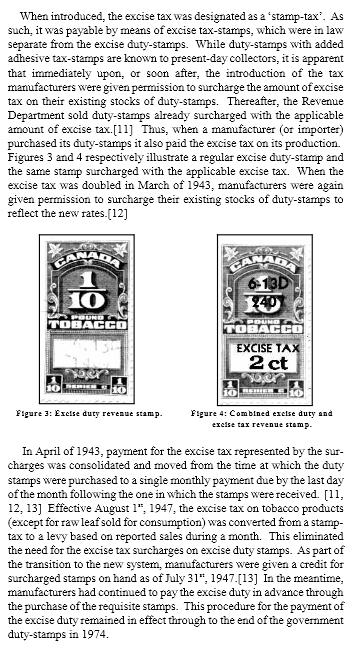
Later in the article from part 6 of Ryan’s work I found that the stamps on the tin that I have were made after 1935. With that new information I was able to narrow the field of time to a seven year window. That would place the tin I have to a period of time between the years of 1935 to March of 1943. This information definitely narrowed the field as I tracked down the research. In the next clip from the article there was more information given in terms of the changes in the taxation system used for tobacco. The photos included in the article are similar to the stamp on the tin I have.
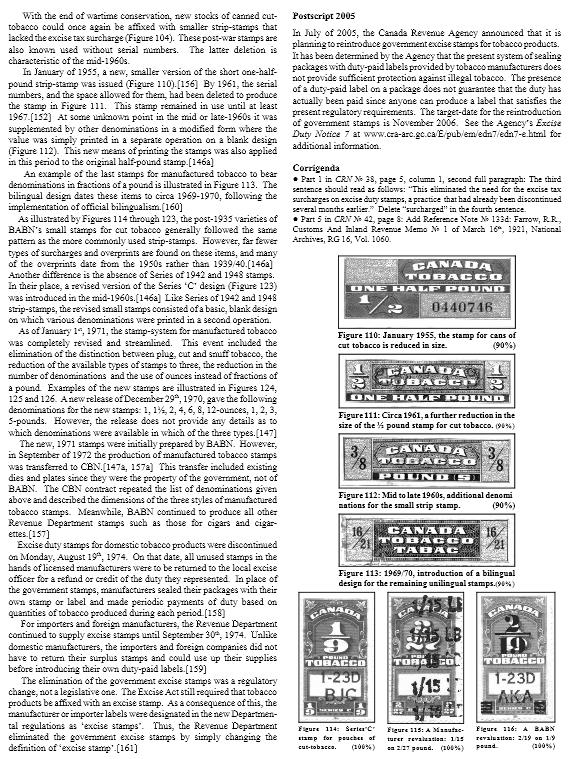
Knowing that time line I began to work on the stamping on the bottom of the tin. Remember that is was stamped 9743. With the information I had found I believe that the stamping is a date code put on by the manufacture of the tobacco and it leads me to confirm that the date is indeed 1943. Knowing that the stamps were over-stamped after March 1943 the tin I have would thus have to be pre-March of that year. I think that overall it is not a bad find for a few minute hunt in an antique mall. I have a tin of 70 year old Condor Sliced in my collection. Now I only have to make a decision of whether to smoke it or save it.
 rebornpipes
Every so often, I check the web for Condor and so came across your post, which is fascinating. Thank you! In the early days of the internet, someone sent me an old tin of Condor, which has the same art and markings as yours. No stamp, but the bottom number is 8276. Incidentally, I tried smoking mine: No go. The liquid or oils had seeped out long ago, and smoking it was anything but pleasant. Best to keep as a momento of the past. I wish I had done so. But I kept the tin.
LikeLike
Hello. Your stamp is illustrated in Figure 123 on page 8 of Part 6 of my article. It dates the can to the mid to late 1960s. The “118” identifies the manufacturer as Gallaher Ltd. (See page 10 of Part 6.)
I have posted a complete catalogue of the tobacco excise stamps at
http://www.canadarevenuestamps.com/ (The link is at the right side of the page.)
Corrections to the catalogue can be found at
https://sites.google.com/site/canadiantobaccostamps/
LikeLike
Thanks CD. One thing that makes me wonder regarding the date is the cutter top can. Dating when that can was no longer produced would help with the date.
LikeLike
I’m happy that you made such a super find. Your research rivals the other pipe smoking super sleuth. Thanks for both the information, and methods for gaining the information. Will you give in to the temptation to try this well aged blend? If not, you are truly a stronger man than I.
LikeLike
Well Steve, you have a WWII tin of tobacco. During this time my grandfather was working in the Belfast Gallaher factory, but it might be interesting to know how their staff of male members was affected by the war. During that time he was in the Belfast Heavy Artillery Regiment fighting in Burma. With no conscription here, it was a purely voluntary regiment and was said to have been made up of a huge number of Gallaher emplyees
LikeLike
Wonderful and fascinating piece of research there, Steve. What is equally impressive is the information available on such esoteric matters as Canadian Excise Tax, courtesy of the meticulous work of Christopher Ryan. At times like this, one is really reminded of the power and wonder of the internet.
LikeLike
That is one AMAZING find! Congratulations!
LikeLike
Thanks, I really am enjoying it being around.
LikeLike
As well you should. I would find a way to work it into every picture and conversation.
LikeLike