
When I bid on this pipe, I hoped that the damage was just a matter of some superficial checking. Whether it was from a defect in the briar or poor smoking technique, I assumed that with a little work, this Petersen Sherlock Holmes could be restored to its former glory once again.

As it appeared on EBay

I’ve repaired a variety of bowls damaged by overheating or hidden fissures that cracked when smoked, but this particular pipe proved much more challenging. The front lip was compressed from hammering out spent dottle, so it was obvious that this pipe had seen its fair share of abuse. I placed the bowl in an alcohol bath for several hours to clean out the fissures and soften the heavy cake. I thought that once I reamed it out and wire brushed the cracks, I would have a better idea of the repairs needed.
Unfortunately, the only thing holding this pipe together wasthe cake, and as soon as I started to ream it……….
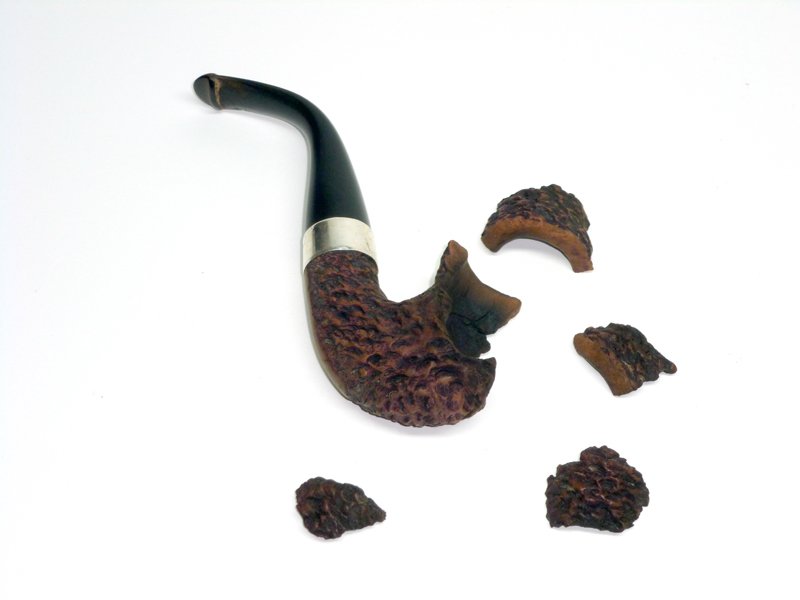
A combination of the bowl walls being left thin due to the heavy rustication, and the previous owner’s penchant for smoking tobacco as if it were lava (must have loved the taste of burning wood), had caused the briar to burn through in several places. 
The charring was significant, but the pieces were sound, and the fractures well defined, so I decided to see what could be done with such a hopeless mess……..
Back into the alcohol bath went all the pieces to further clean the broken edges and soften what remained of the cake. I left them to soak overnight and then gave them each a thorough scrubbing, scraping and wire brushing to prepare them for re-assembly. In the meantime, I cleaned up the stem with an Oxy-Clean soak and some scrubbing with #0000 Steel wool.
Using JB Kwik as a bonding agent, I began by fitting the two lower pieces back onto the stummel. I worked in pairs to assure proper alignment. Once the epoxy has set, there is no way to make adjustments to the fit, so by working in layers I had a better chance to get it right.

Before the epoxy hardened, I did some work with a toothpick on the exterior of the bowl to remove and blend the squeeze out. Once the epoxy had completely cured, I used a dremel with a small sanding drum to grind down the excess and smooth the joints on the inside of the bowl. Using the same process, I re-fitted the top two pieces. 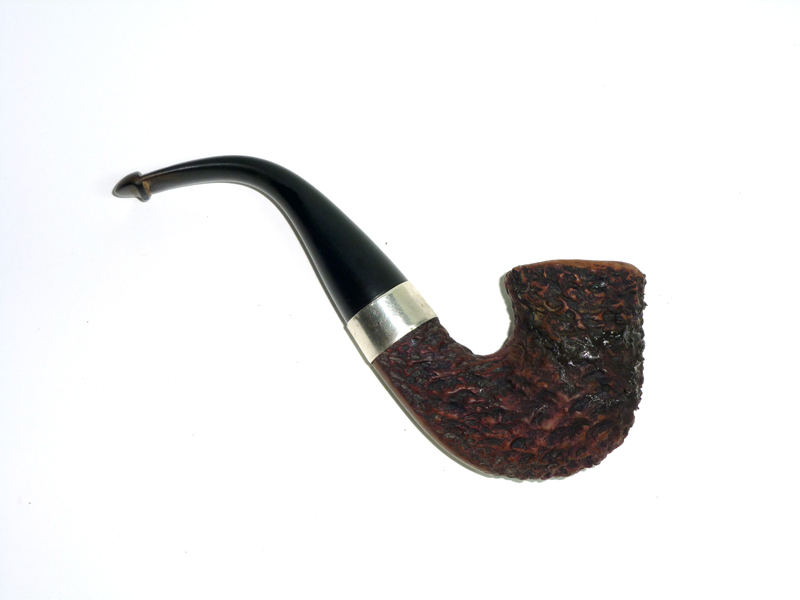
After the initial bonding and detail work on the epoxy, the pipe still had a long way to go. 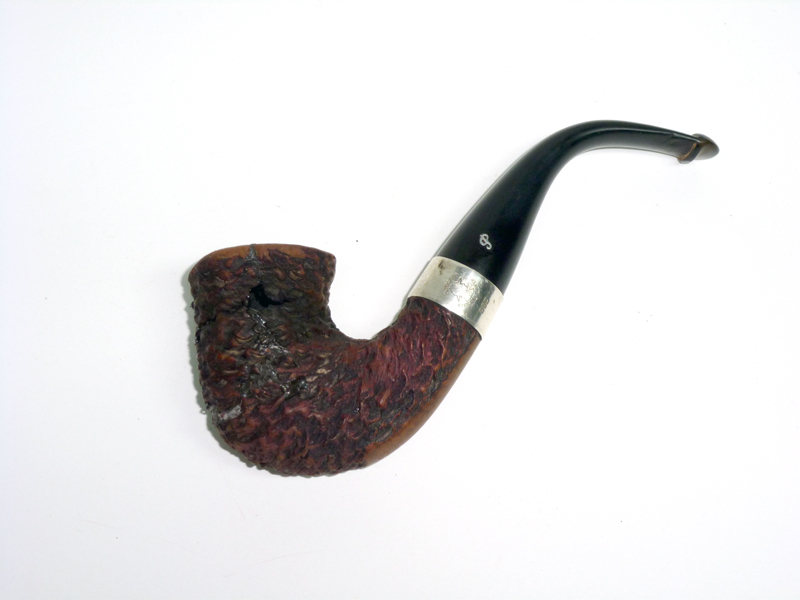
There was a sizeable hole on the left side where the briar was very thin and had been destroyed by fire. After some more work with the dremel to clean up the inside the bowl, I used the JB Kwik to build up the weakened areas, letting it flow through and fill the hole. I then added more JB Kwik to the areas on the outside of the bowl that revealed any cracks, low areas, or fissures. 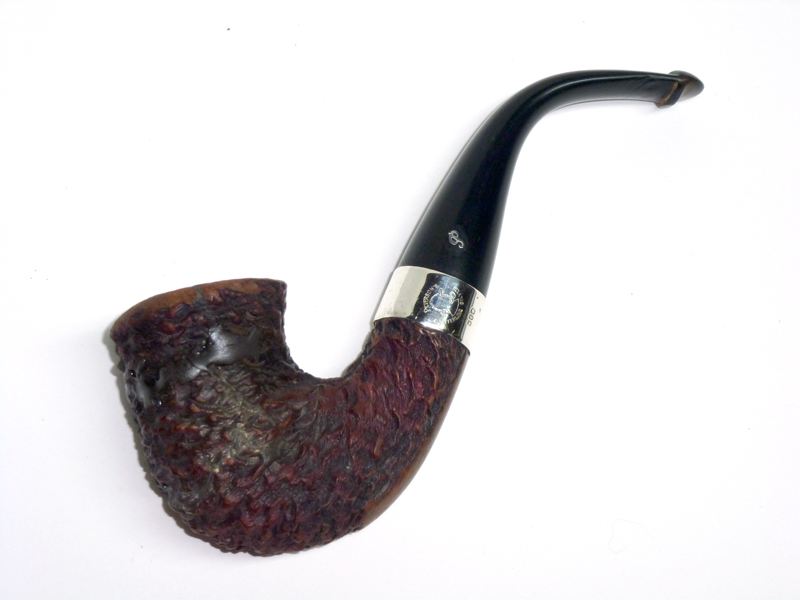
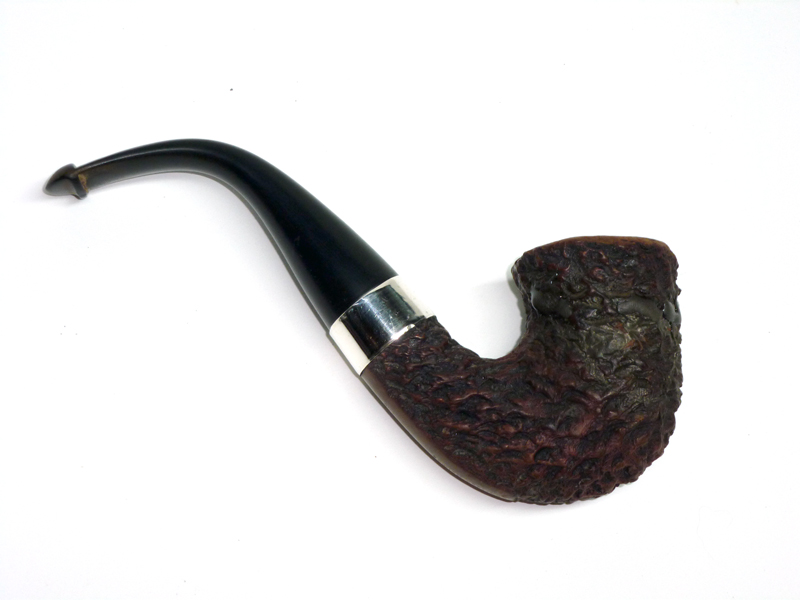
Once the epoxy had fully cured, I used the Dremel to smooth the inside of the bowl, and then applied two coats of pipe mud. Made from cigar ash, this mud filled all the imperfections and created a strong protective covering over the epoxy patches. Though JB Kwik is highly resistant to heat, and rated as non-toxic, it seemed prudent to keep it well covered until a good cake can be re-established in the bowl.
I used a small rusticating tool, made from a Phillips head screwdriver, to blend in the patches on the bowl exterior, then finished preparing the briar for staining with a vigorous scrub using a brass wire brush.
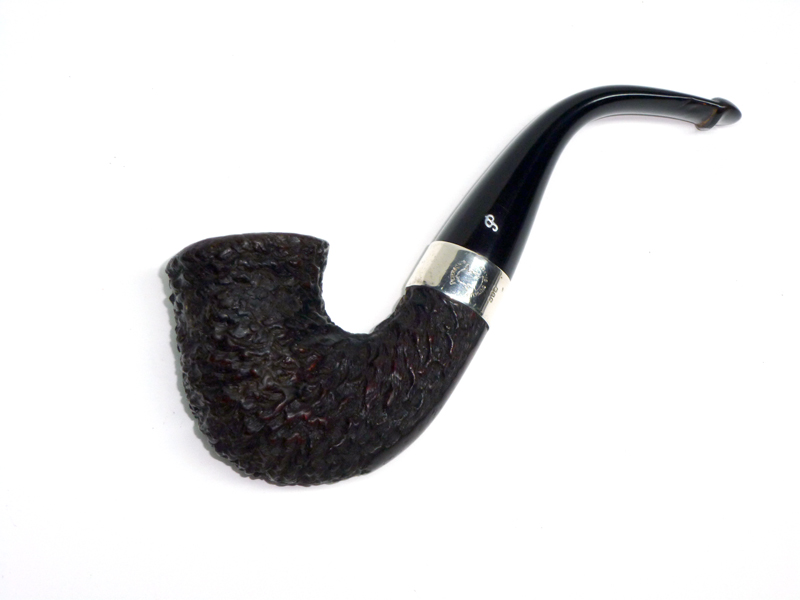
To blend in the patches and color the bowl, I chose Feibings Cordovan dye and applied it liberally with the applicator. I used a torch lighter to burn off the alcohol really set the stain. I then gave it a buff with red Tripoli, to see how well it all blended and to clean up the stem. Granted, the Cordovan dye is much darker and deeper than the original coloring, but it was my only option in order to hide all the body work required to make this Petersen look like a pipe again.
I haven’t finished working on the stem or waxed the bowl yet. I think I’ll wait until the pipe mud has hardened and see how it smokes before investing any more time into this project. The bowl feels substanial and solid, so I’m not worried about structural failings. Being that it’s no longer a 100% briar pipe, I’m curious to see how well it performs…….. 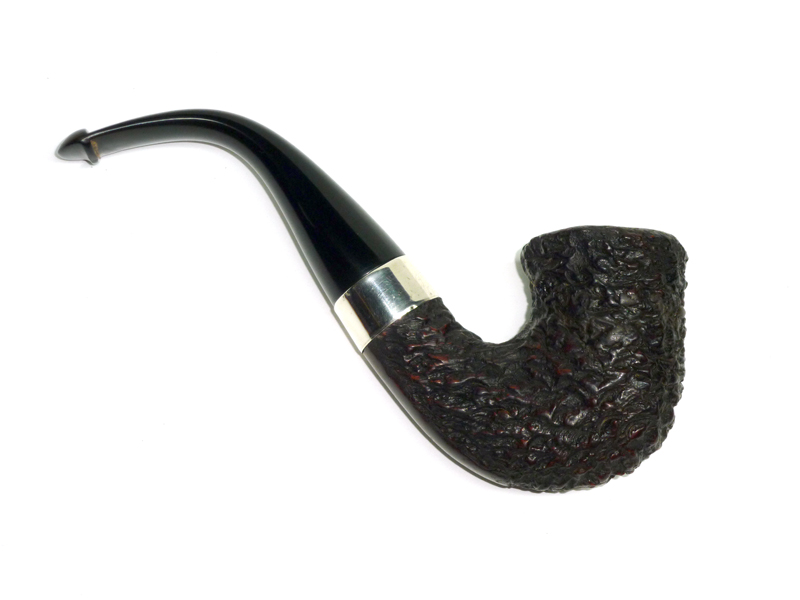
Thanks for looking.
-Gan
 rebornpipes