
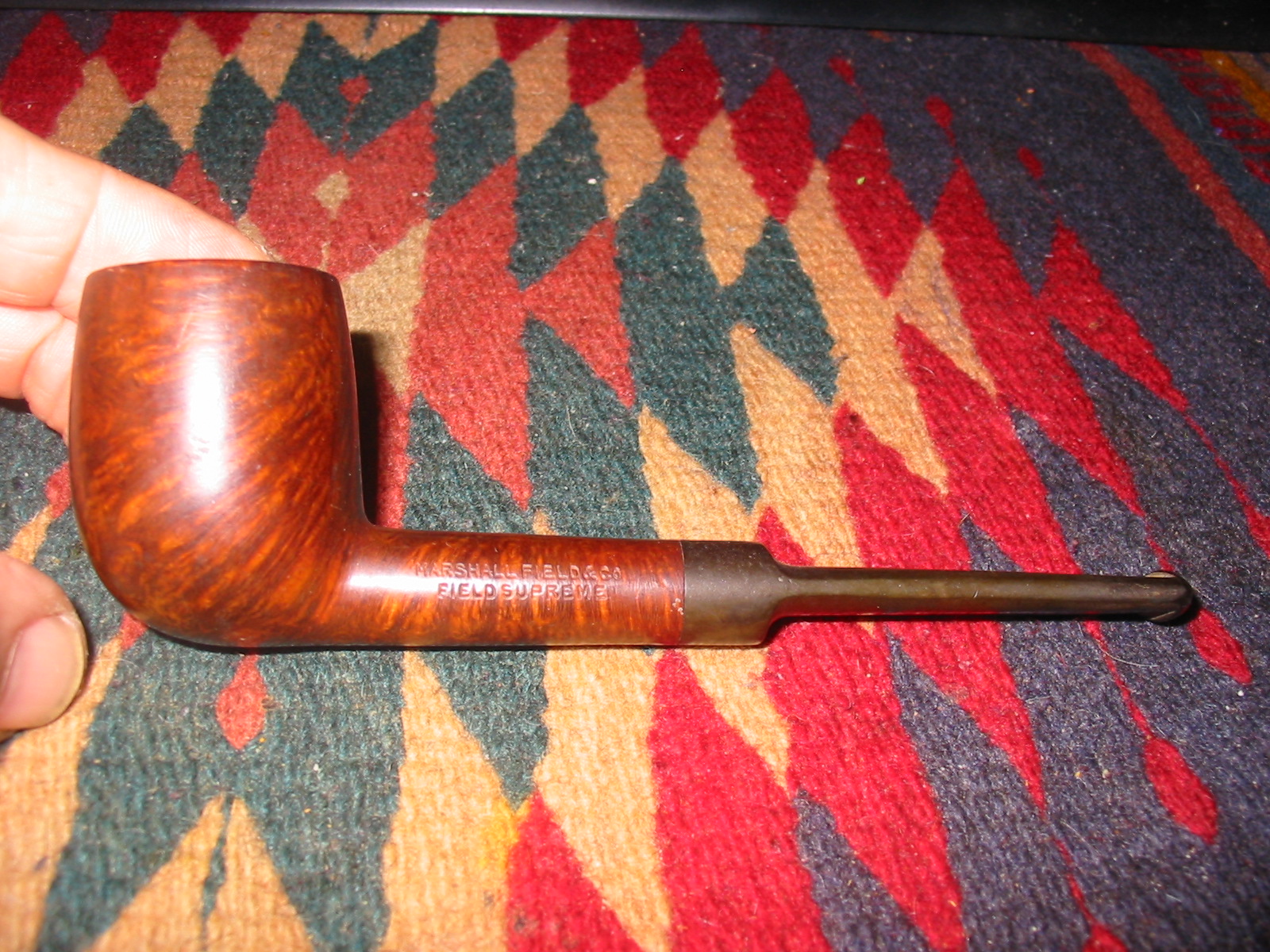
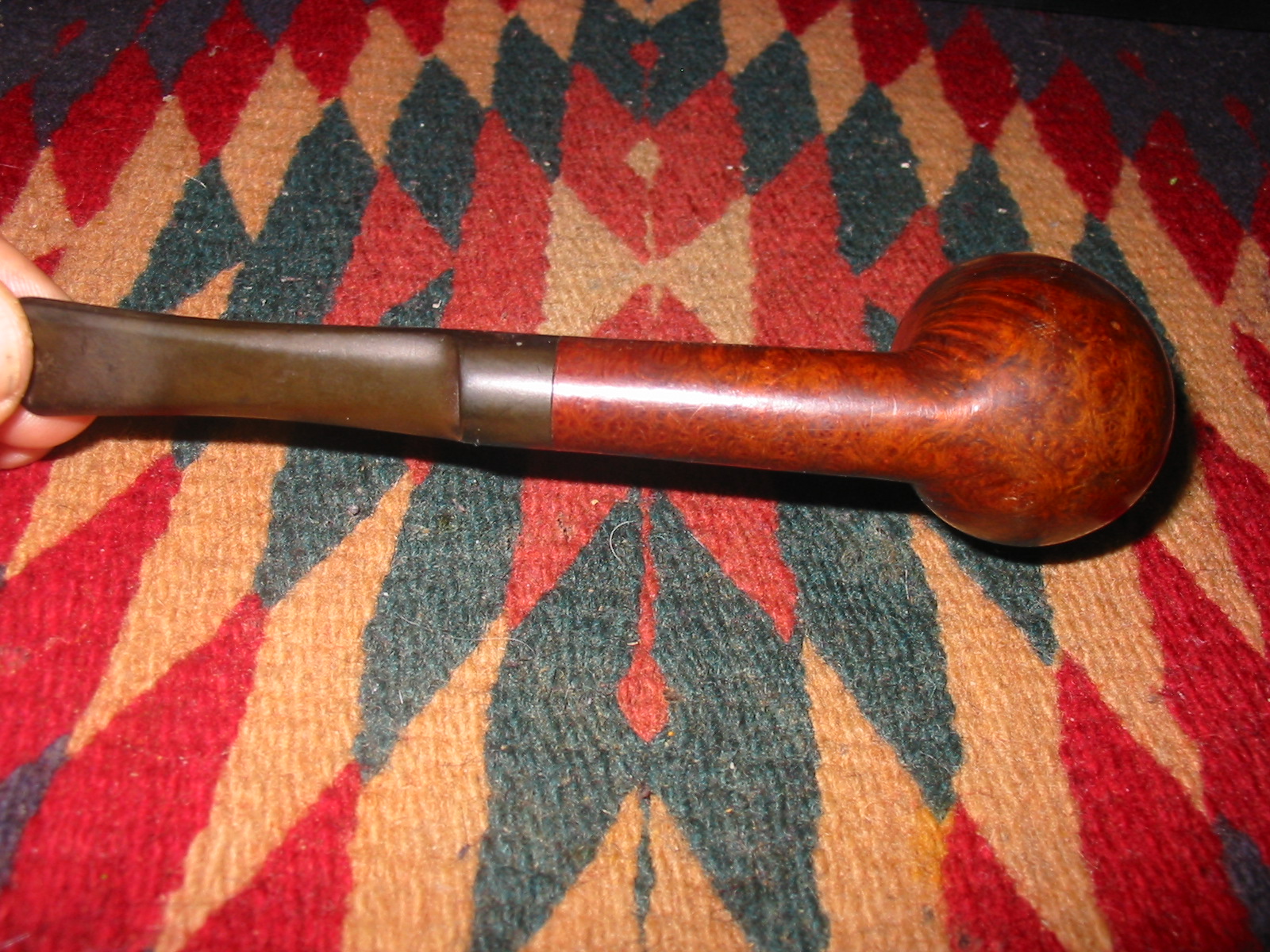
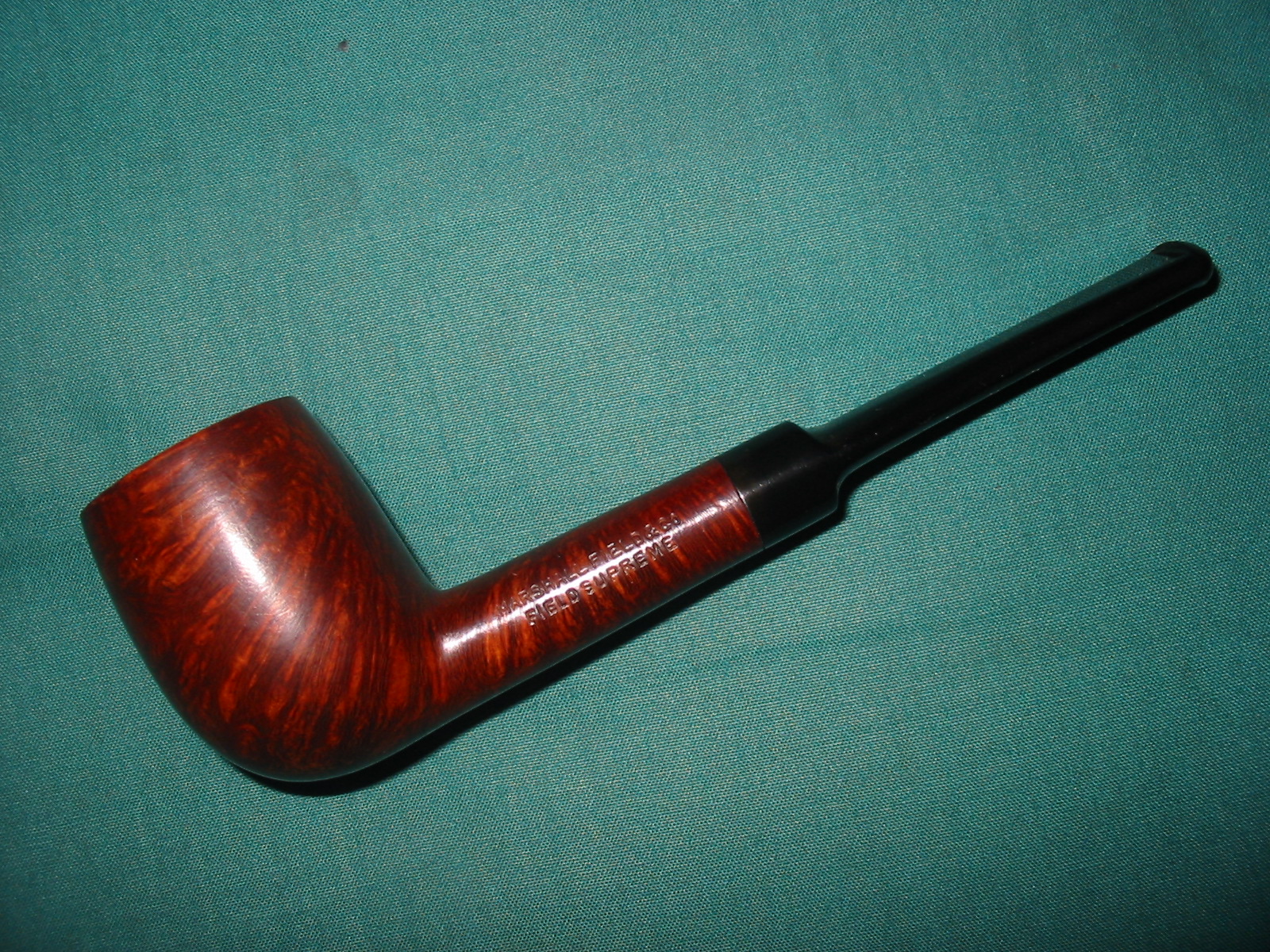
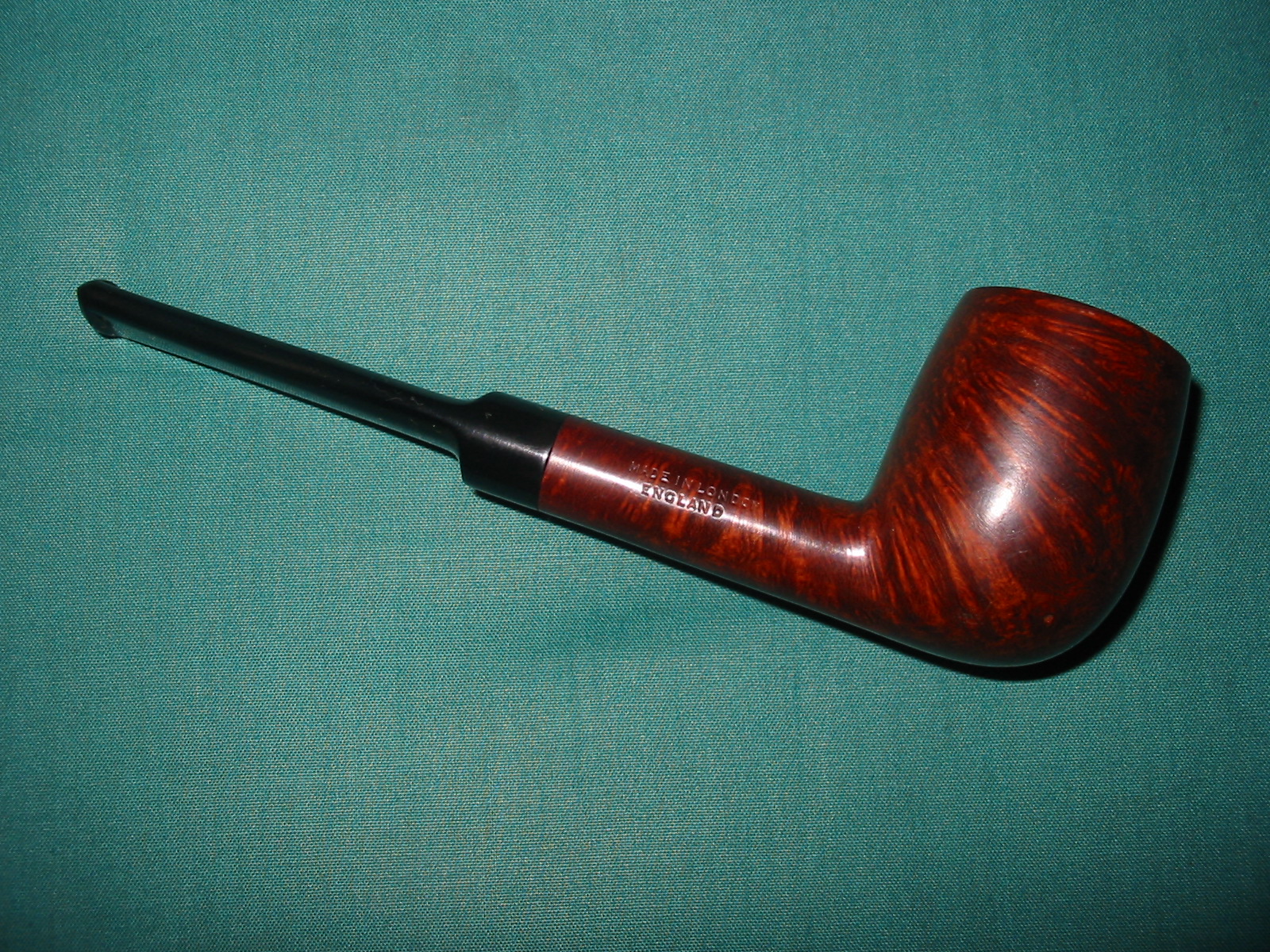
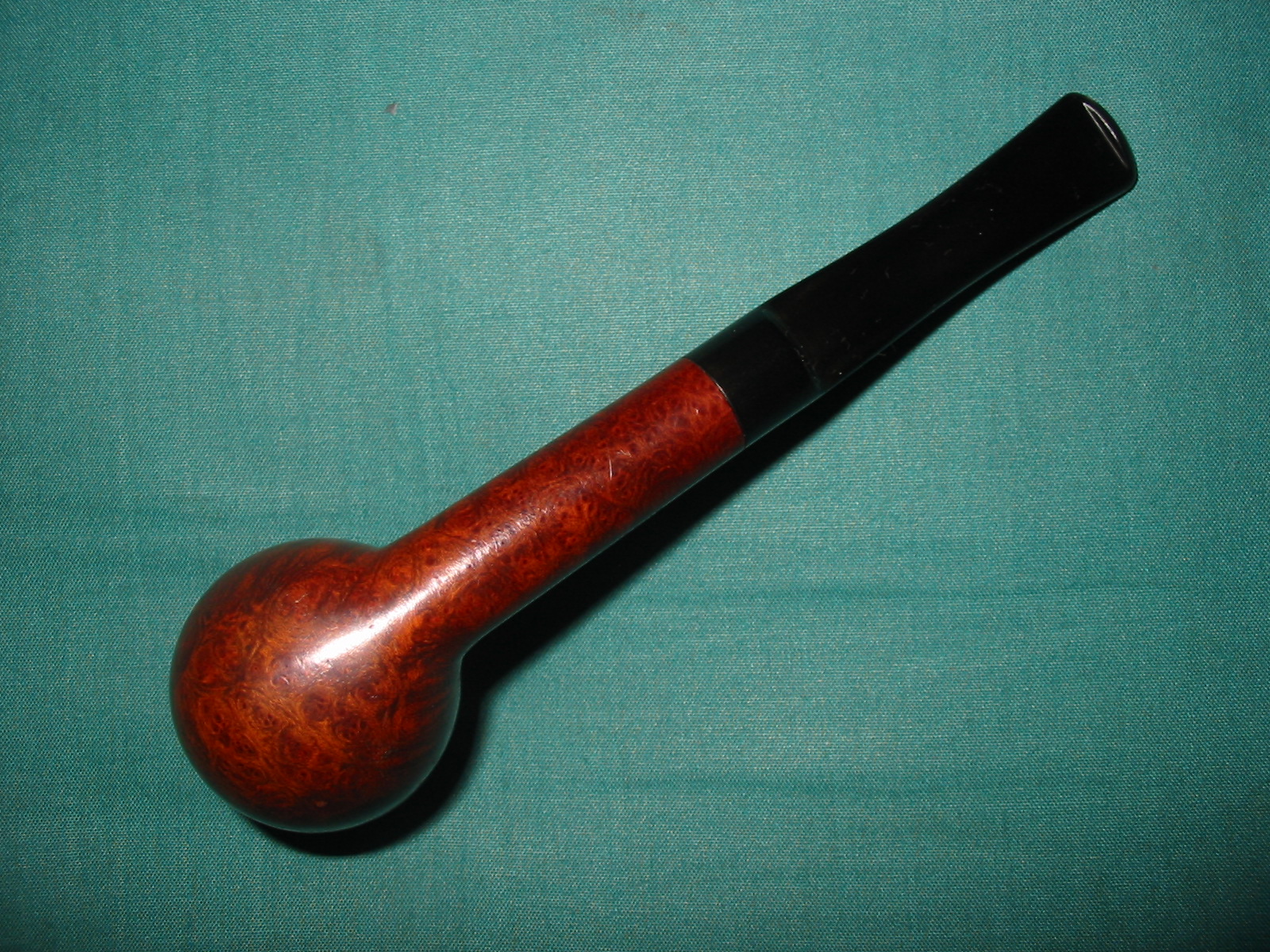
The grain on this one really caught my attention before I even noticed the name on the pipe. It has some amazing grain on the bowl and shank. The sides of the bowl and shank some stunning cross grain that has been highlighted with a contrast stain to make it stand out. The front and back has some quality birdseye grain. The carver did a great job laying out the shape of the pipe to highlight the grain, though I suppose it may merely be a fluke as blocks were turned and cut in the factory. After admiring the grain I turned to look at the stamping on the pipe. It looked like and English made pipe and my mind thought immediately of Comoys both by the shape and the contrast stain on it.
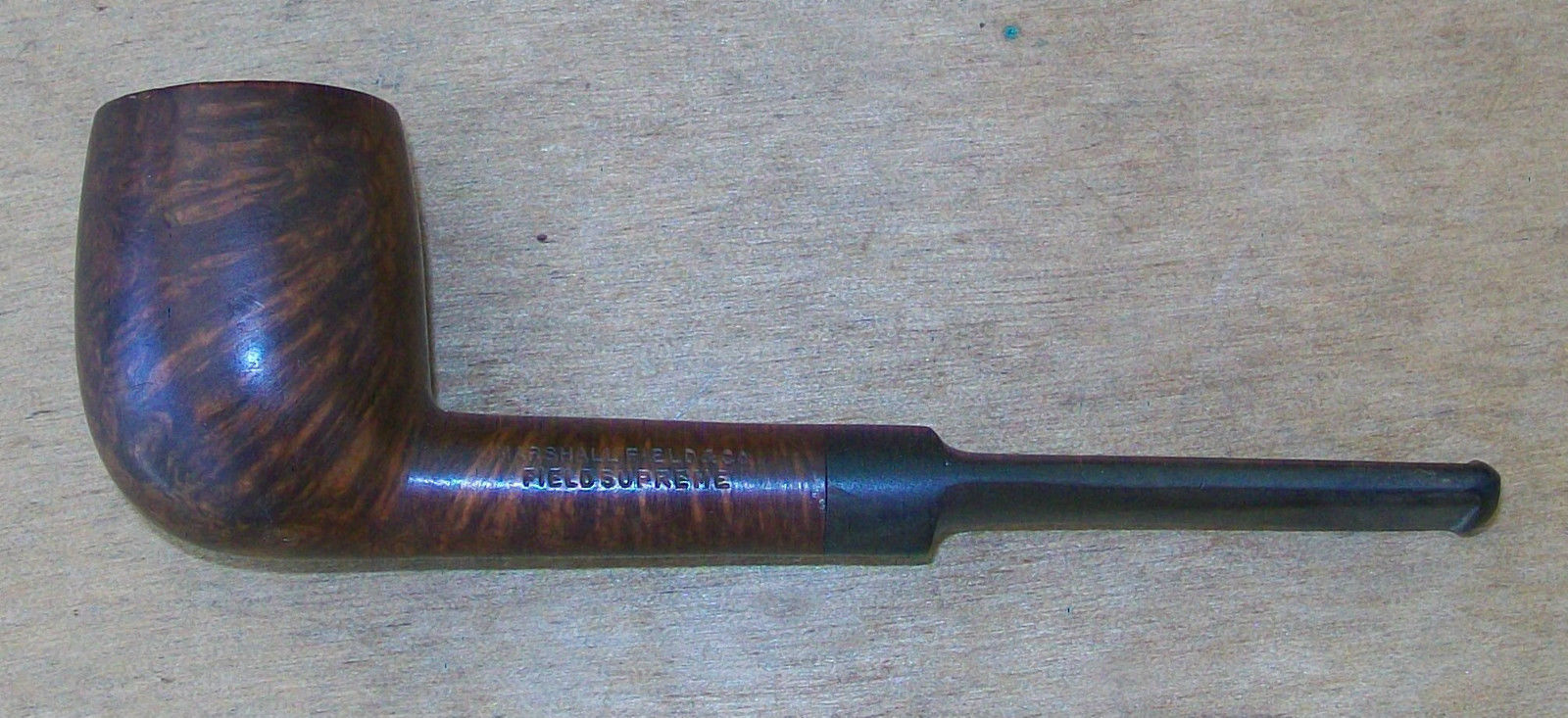

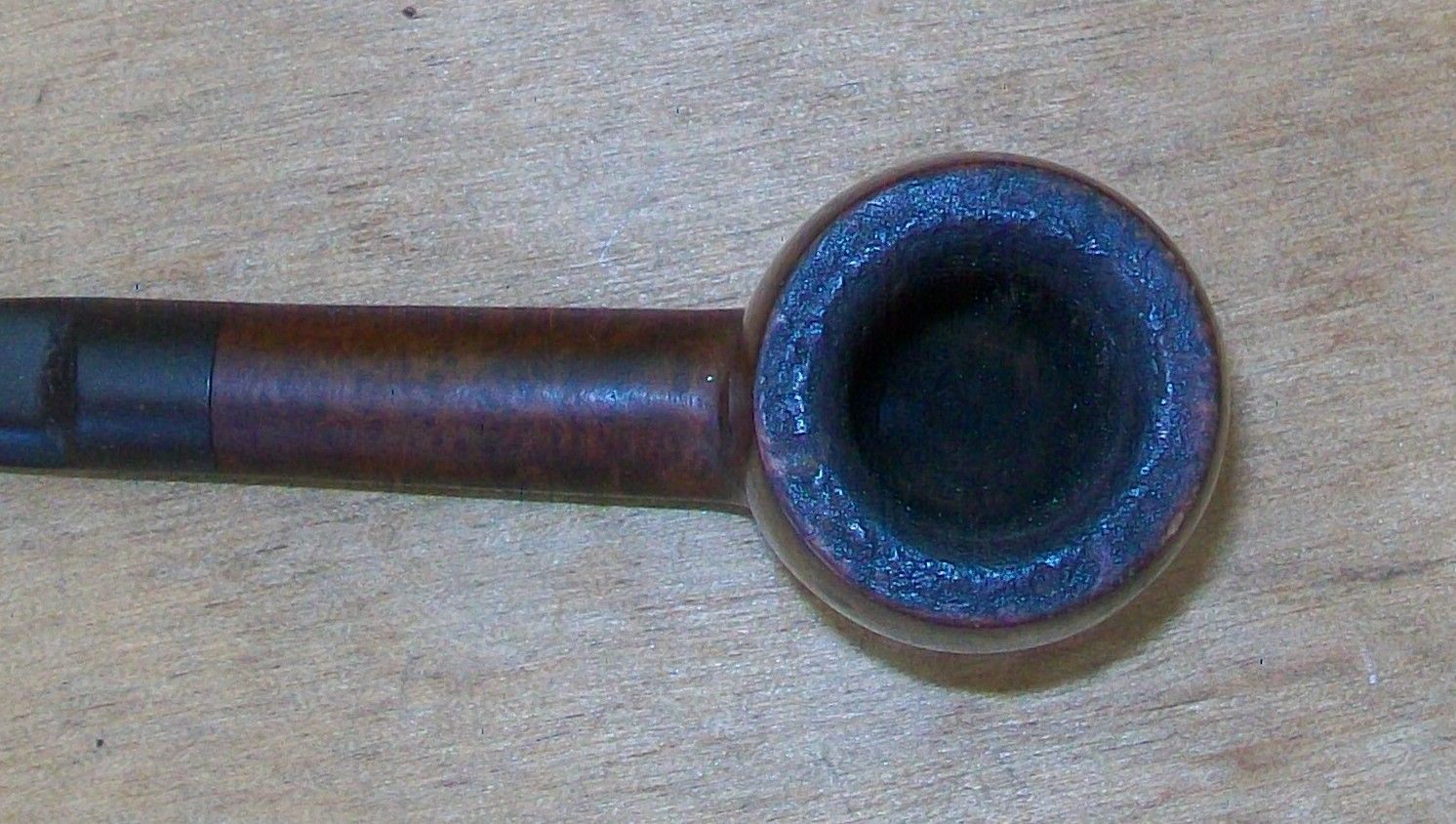
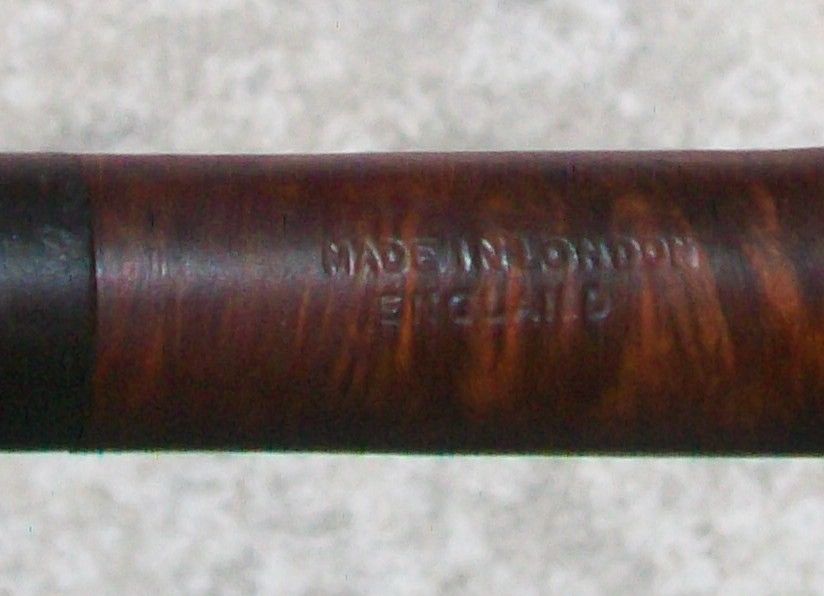
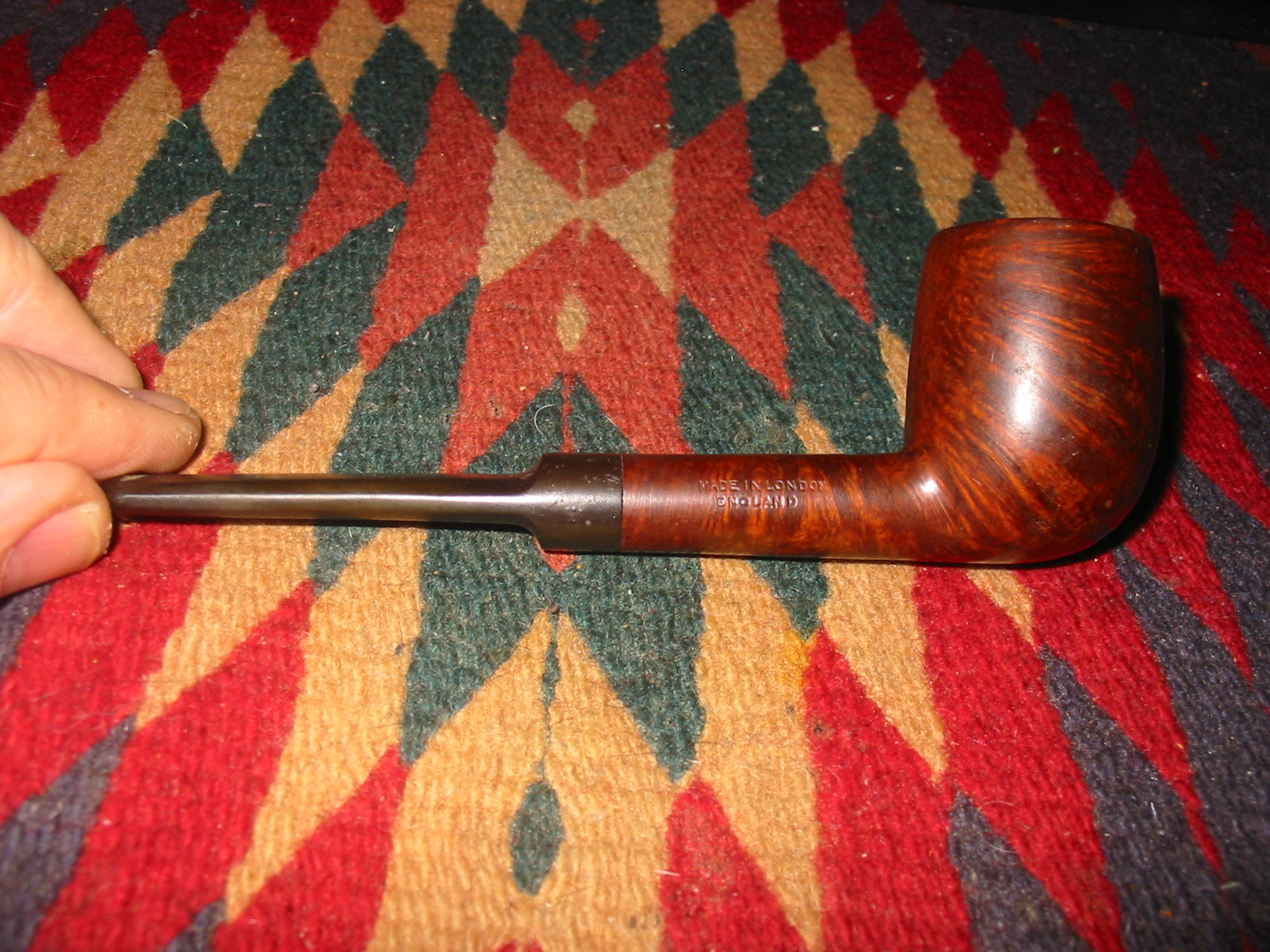
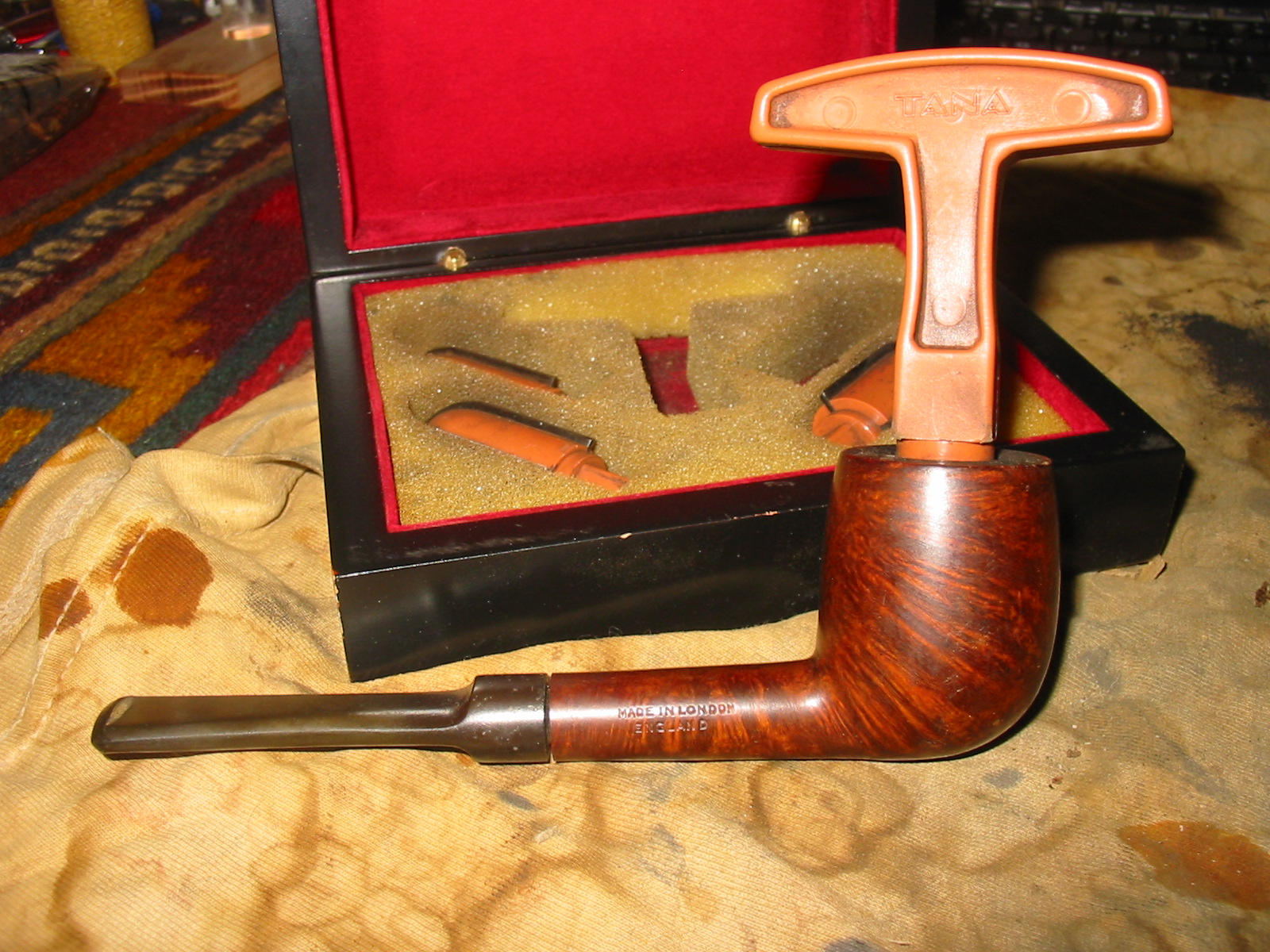
The pipe is stamped Marshall Field & Co. over Field Supreme on the left side of the shank and on the right side it is stamped Made in London England. There is no shape number stamped on the pipe. Since I paid $16 and change + $8 to ship it to Canada, I think I did well on it! The pictures below were included by the EBay seller and caught my eye.

Once I won the bid on EBay, I posted a question on Smokers Forums and Pipe Smokers Unlimited, two online pipe forums that I frequent, to see if anyone knew who made the pipe. I had hunches about who I thought were possible makers. But I wanted to see what others thought. I got several responses that confirmed my thinking.
Bill, a reader of the blog and an online friend sent this reply: “Not saying this will help but go to this page and click where it is highlighted”click here” and you can go through the Comoy’s pages and see the shapes. http://search.getitnext.com/beta/mar…arshall+fields Edit: My link didn’t work. It’s funny I clicked on it the first time and there was a write up about a guy who wrote an article about a Made in London Marshall Field pipe. He wrote to the Marshall Field Co. historian and was sent a link to a Comoy’s catalogue with shapes that were very similar. Now when I go back in my search history to click the link it won’t come up.”
Several others commented that Who Made that Pipe should a French Company name Marshal that made pipes. However, this was one made for the department store so I am pretty certain that the French company was not the manufacturer.
Dave, another reader of the blog and an online friend also replied: “I’m going to tack away from Comoy’s and go in a different direction. Here is my thinking, most of the off label pipes I’ve seen by Comoy’s still have the Comoy’s style COM stamp, be they pre-war or post war, and also retain a shape number in the very distinctive Comoy’s font. I’m going to focus on the word Supreme.
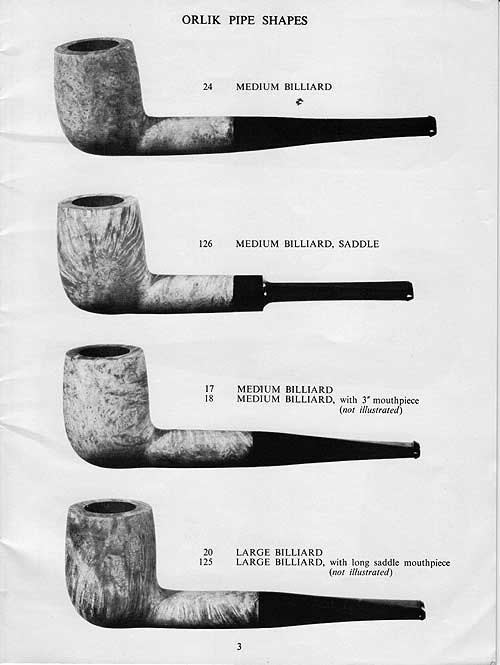
Charatan’s, no, Orlik, maybe. Here is a catalog image of the Medium Billiard, Saddle. The “Medium” works out to a grp 3 size pipe. Also the sans serif type font is the type Orlik used. Is this definite, of course not, it’s what makes trying to figure out English pipes a challenge!”
In searching the web for information I came across an interesting post by the late Mike Leverette who wrote on the Grabow Forum in response to a post on L.L. Bean pipes as follows: “… By the way, all of the big chains carried pipes at one point in time, such as Sears, Marshall Fields, M. Ward, etc. Did any of these carry pipes made by the different Grabow owners? …The only Marshall Fields I have was made by Comoy and takes a paper filter.”
Either Comoy’s or Orlik. That was the overarching thought of others as they looked at this pipe. It also concurred with my thinking. If I put the Comoy’s shape chart up on the screen and compare it to the pipe it could well be a Comoy’s and when I look at the chart Dave shows it could well be an Orlik. Dave’s comments about stamping are interesting to me as I think about the maker. The typeface used in the stamp is certainly very similar to that used by Orlik while the Comoy’s stamping is a typical Serif font. Some of the pipes I have found on EBay have shape numbers that fall in the range of shape numbers for Orlik pipes. None of them fall in the Comoy’s shape numbers that I can find. A definitive answer may be a long time coming but for now I am leaning toward Orlik as the maker of these pipes.
While I may not be 100% certain of the English maker of the pipe it is indeed a Marshall Field pipe. These were sold by the Chicago based department store and chain at least through the 60’s if not longer. Field’s was a huge department store chain that in its Chicago location had reading, writing and rest lounges, restaurants, men’s departments and a broad range of the features of the good life. I still remember my mother taking me there when I was little.

The pipes seemed to have been graded in a variety of ranges or lines. I am still trying to hunt down information on the various lines of pipes that they sold. I have found several pipes on EBay that bear different line stampings. All have the same style stamping and all have the MADE IN LONDON ENGLAND stamping. I have included the list below to show what I have found so far. I have arranged them in what appears to be in the order from highest to lowest grade as I can determine. I have also found two leather covered pipes that were stamped Marshall Field Smoke Shop and appear to have been made by Ropp. They were identical to the Ropp leather clad pipes that have seen.
1. SUPREME (I have seen both a billiard and a pot with this stamping. Both have a smooth finish and exhibit beautiful straight, flame or cross grain.)
2. SPECIAL GRAIN (The first one I saw on EBay and was a bent billiard shaped pipe, stamped 85. The second on EBay was a straight apple shaped pipe. Gary, an online friend responded on Smokers Forum and posted a picture of a bent billiard that was stamped Special Grain. All were smooth finishes but did not have the same density and grain consistency as the Supreme.)
3. FIELD DELUXE (This was also seen on EBay and was a Zulu or yachtsman shaped pipe, stamped 87. The Marshal Field stamping was in a script which was different than any of the other pipes that I found. The grain was a mixed pattern.)
4. FIELD GRAIN (These were seen on EBay was as well. The first was a smooth billiard with a saddle stem (bearing the shield logo) and stamped with the #6. The second was a sand blast billiard version. On the smooth one the grain was mixed and on the blast it was a deep craggy blast.)
5. STORE FOR MEN 3 GROUP 2 (There was one of these on EBay for sale as well. It was a smooth finish, square shank pot. The grain was mixed and clean.)
All of the smooth pipes were decent briar with no visible fills or sand pits. All the English made pipes that I have seen online were well made and all had the same style of saddle stem. The French made ones all had taper stems and were leather clad.
I will continue to hunt down these pipes to build a picture of the various lines. Any information you may have will be greatly appreciated.
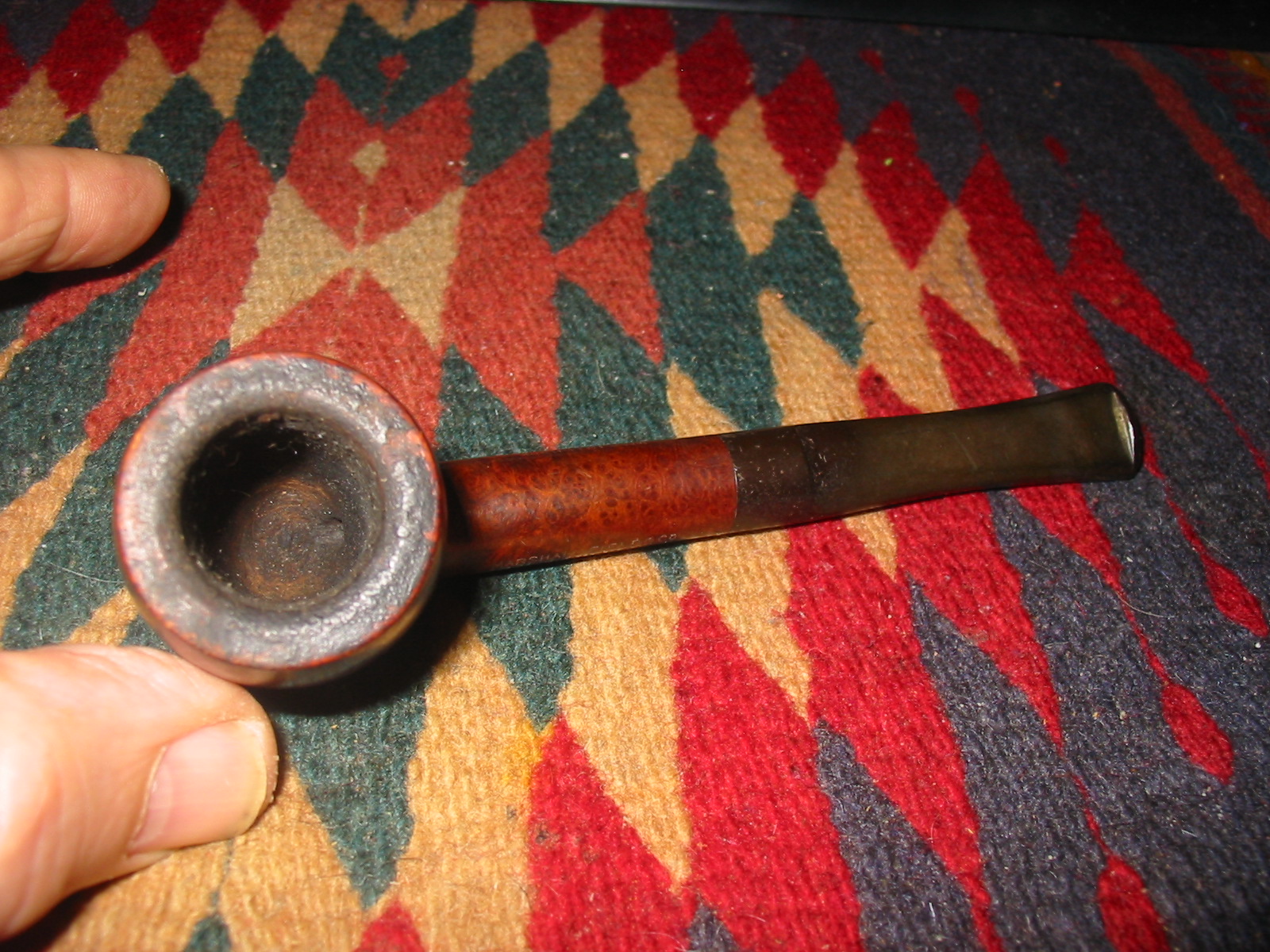
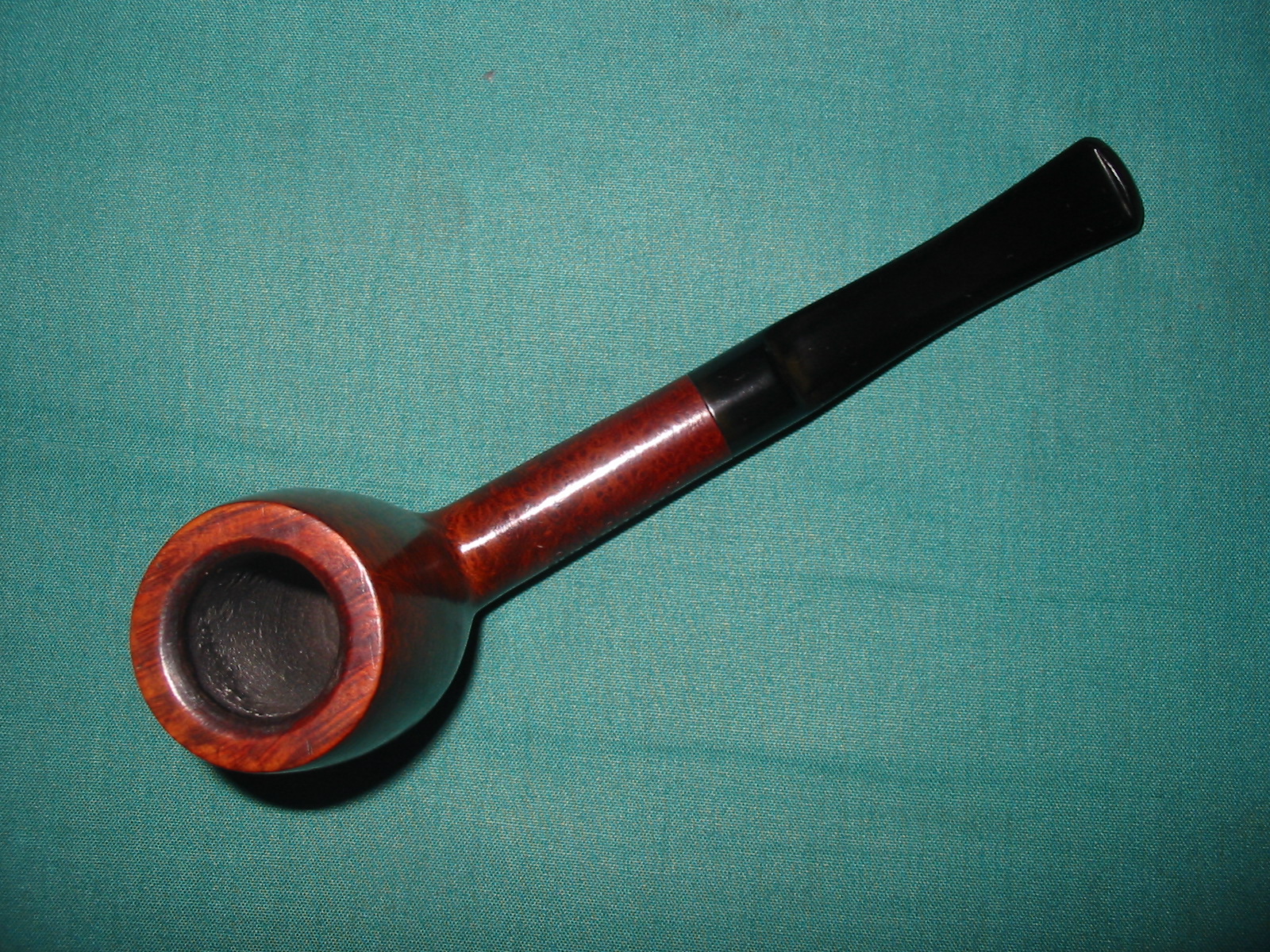
I took the billiard that I purchased to my work table this morning. Before I worked on it I examined it for what needed to be addressed. The bowl had an uneven cake on the inside and did not extend to the bottom of the bowl. The bottom was still clean briar and it went up the sides about ¼ inches. The rim was clean but had a tarry buildup. The inner bevel on the rim was undamaged and showed no sign of over reaming or damage. The finish on the outside of the bowl was clean and undamaged. There were no dings or dents in the surface of the briar. There was an oily buildup on the surface of the pipe. The stamping was crisp and distinct. There were two slight marks on the left and the right side of the shank next to the stem. The stem itself was clean but oxidized. There was tooth chatter on the top and bottom of the stem next to the button. The inside of the stem and the shank were very clean.
I reamed the bowl with a PipNet reamer and took it back to bare briar. I wanted to remove the buildup on the upper portion of the bowl and provide a clean surface to rebuild the cake. I scrubbed the rim of the bowl with spit on a soft cotton pad to remove the tarry buildup. I also had to wipe it down with alcohol until the tars were gone and the rim and bevel were clean.


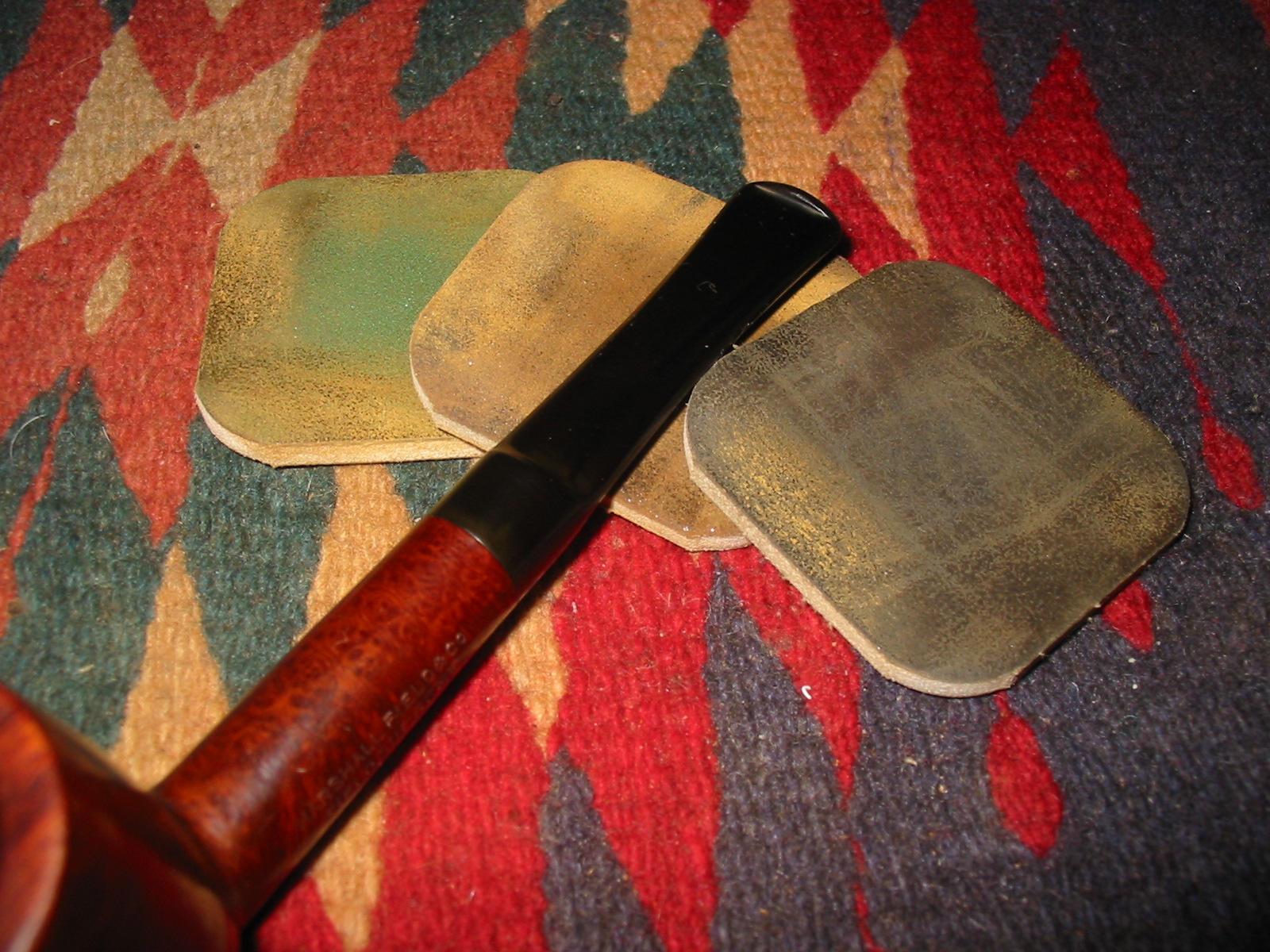
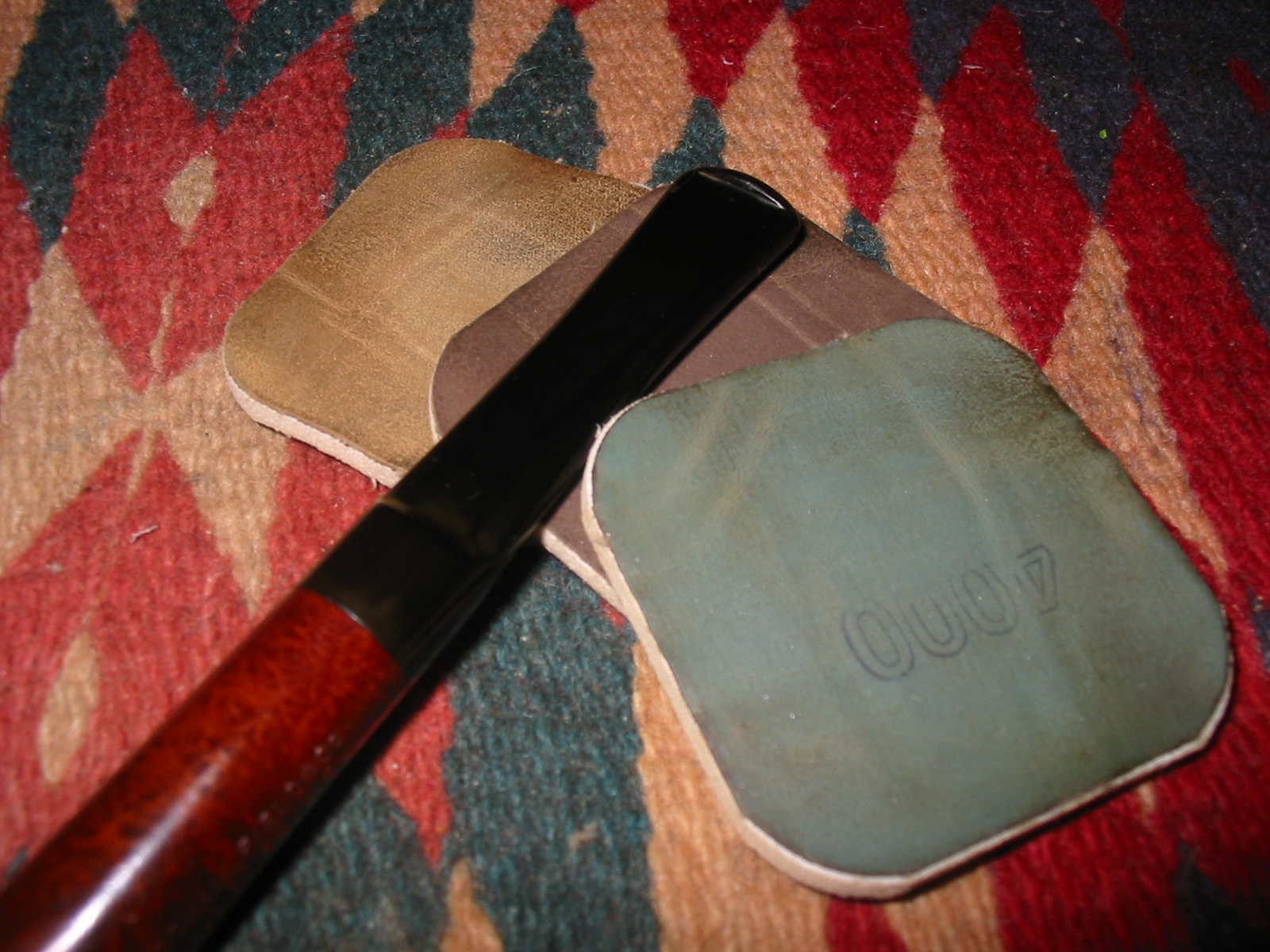
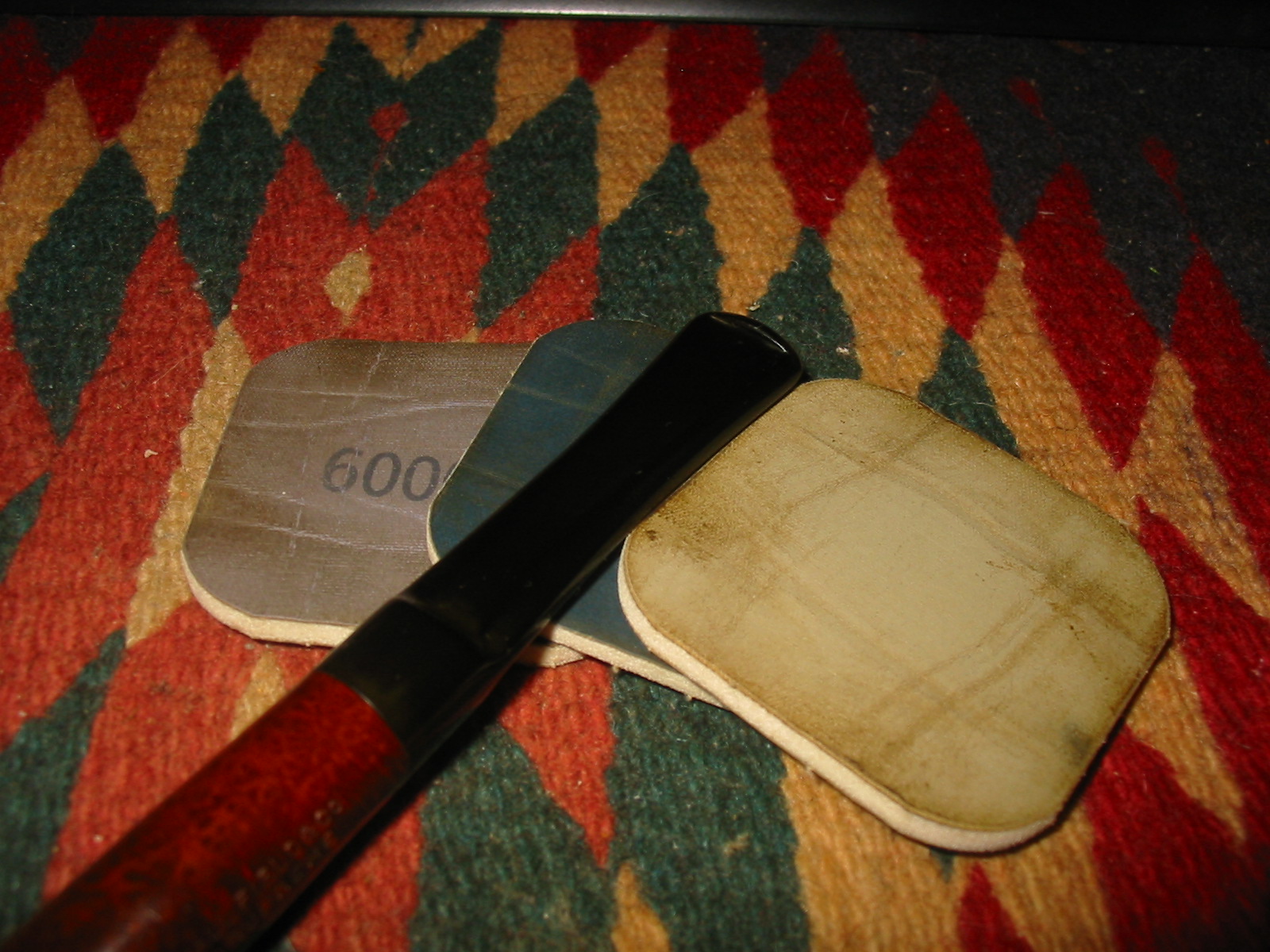
I sanded the stem with a medium and fine grit sanding sponge to remove the tooth marks and chatter and to remove the oxidation on the surface. I followed that up with my usual habit of sanding with micromesh sanding pads. I wet sanded with 1500-2400 grit sanding pads and then dry sanded with 3200-12,000 grit pads. I polished the stem with Meguiar’sScratch X2.0 polish and then buffed with Tripoli and White Diamond. I rubbed the stem down with Obsidian Oil and when dry gave it a final buff with White Diamond.
I gave the pipe and stem multiple coats of carnauba wax and then buffed it with a soft flannel buffing pad. The pipe is finished and ready to break in. The grain stands out because of the contrast finish on the pipe and the stem is like glass with the buffing and polishing. To me it looks like it must have the day its previous owner purchased it at Marshall Field’s. If only I had the box and the pamphlets that must have come with it when it was new, it would be an even more amazing pipe.
 rebornpipes